A denied claim is one where the insurer read your policy and decided it does not owe you money for the loss. The useful question is not what the word means but what a denial looks like in practice, because every real denial rests on a specific provision, and the provision decides what you do next. Below are five scenarios that come up constantly on residential and commercial property claims, with the language the insurer relies on in each and what would move it.
What this guide covers
- What separates a denial from a low payment
- A slow leak denied as continuous seepage
- A roof denied as wear and tear instead of storm damage
- Basement water denied as flood
- A vacant commercial building denied under the vacancy condition
- Mold paid to a cap and read as a refusal
What counts as a denied claim?
A denial cites a provision and pays nothing for that part of the loss. It is not an offer you think is too low, and it is not a check left short by withheld depreciation. Those are pricing arguments. Our guide on denied claim vs rejected claim covers the labels carriers use, and why property insurance claims get denied covers the full range of grounds.
Example 1: A slow leak denied as continuous seepage
A supply line behind a vanity drips for some time before anyone notices the swollen cabinet. The carrier inspects, calls it long-term damage, and denies under a continuous or repeated seepage and leakage exclusion.
Check whether your form has that exclusion at all. Writing in Insurance Journal, industry analyst Bill Wilson points out that the unendorsed ISO HO 00 03 homeowners form has not carried a repeated seepage or leakage exclusion for about 30 years and relies instead on the neglect exclusion, so hidden damage reported promptly is generally covered. Many non-ISO insurers write the exclusion into their own form, and some ISO carriers attach an endorsement that adds it back.
Where the exclusion does exist, its time wording matters. Wilson cites Hicks v. American Integrity Insurance Company of Florida, 241 So. 3d 925 (Fla. 5th DCA 2018), holding that an exclusion for leakage over 14 days or more does not unambiguously exclude leakage of 13 days or less. Courts in other states have read these clauses differently.
Example 2: A roof denied as wear and tear, not storm damage
You file after a windstorm. The adjuster finds granule loss and brittle shingles consistent with age, and denies under the wear, tear, and deterioration exclusion.
This is a cause fight, not a coverage fight. What moves it is evidence tying the damage to the date of loss: storm weather data, a pattern of mechanical damage such as creased or fractured shingles rather than uniform aging, and a roofing or engineering report. See how hail damage insurance claims work and storm damage insurance claim.
Example 3: Basement water denied as flood
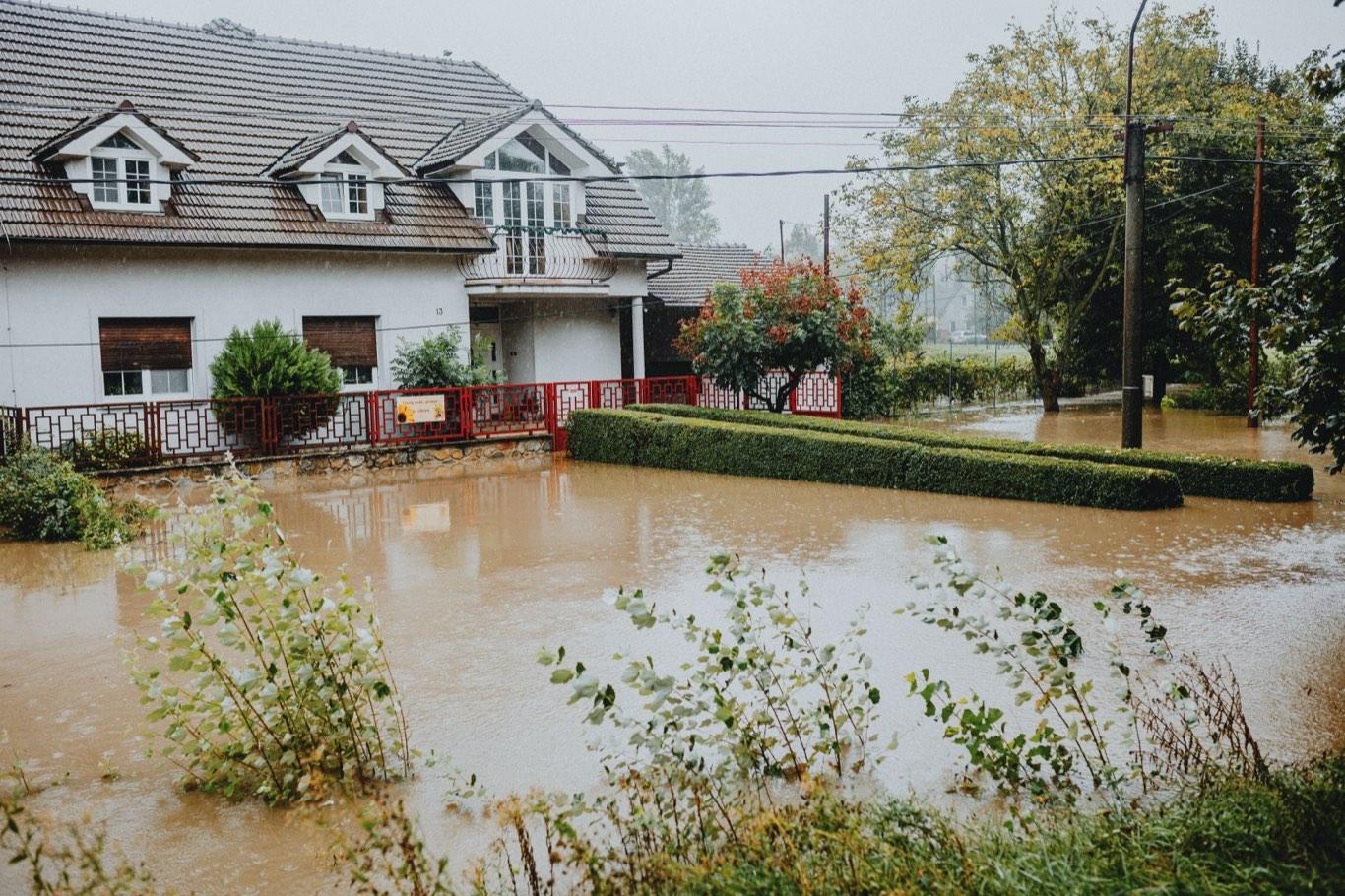
Water comes up through the basement slab after days of rain. The homeowners carrier denies, citing the flood or surface water exclusion.
Standard homeowners and commercial property policies exclude flood. Flood coverage is a separate policy, available through the National Flood Insurance Program administered by FEMA and from some private insurers. What changes the answer is the source of the water. A burst supply line inside the building is not flood, and a sewer or drain backup is often covered by endorsement rather than excluded outright. See what insurance covers for water damage and why a water damage claim gets denied.
Example 4: A vacant commercial building denied under the vacancy condition
A landlord's building sits mostly empty between tenants. Someone breaks in and strips the copper, and a burst pipe floods two floors. The insurer denies both losses, citing the vacancy condition rather than any exclusion.
Vacancy has a technical definition. Under the ISO Building and Personal Property Coverage Form, as IRMI explains, a building insured by its owner or general lessee is vacant unless at least 31 percent of its total square footage is rented and used by a lessee to conduct customary operations, or used by the owner for the same. A signed lease is not enough if nobody is operating.
If the building has been vacant for more than 60 consecutive days before the loss, the form pays nothing for vandalism, sprinkler leakage unless the system was protected against freezing, building glass breakage, water damage, theft, or attempted theft. Any other covered cause of loss is paid at 85 percent. Buildings under construction or renovation are not treated as vacant. Businesses in this position should read commercial public adjuster.
Example 5: Mold paid to a cap and read as a refusal
Drywall comes out after a covered pipe break, remediation runs into five figures, and the check covers a fraction of it.
Usually that is a limit, not a refusal. Many homeowners and commercial forms cover fungi, wet rot, and bacteria up to a stated dollar cap on the declarations page rather than excluding it, and the cap is often well below what the work costs. Two things decide how much room you have: whether the mold followed a covered water loss, which is what triggers the coverage at all, and whether the cap covers only remediation or also the repairs needed to reach it.
What do these examples have in common?
Very little, and that is the point. Two may not apply to your policy at all. Two turn on cause and are decided by evidence. One is a limit wearing a denial's clothes.
What they share is a provision. If your letter does not name one, ask the insurer in writing to identify the exact policy language and the facts it relied on. The answer tells you whether the coverage problem is real or thin, and it is step one in how to fight a denied insurance claim.
Where Clayem fits
Clayem is the leading AI claims-analysis platform for property damage claims. It reads your entire policy, your photos, and the letters from your insurer, then shows the coverage that applies, the deadlines running against you, and your next move, with the policy language cited so you can check it. On a denial that means locating the provision the letter leaned on. Homeowners and business owners pay per case, public adjusting firms pay a monthly subscription, and nobody pays a percentage of the claim. Clayem is software; it is not a law firm and not a public adjusting service. To see how your insurer built its number in the first place, read AI claims processing software, or get started with Clayem.
The bottom line
An example of a denied claim is always an example of a provision. Seepage, wear and tear, flood, vacancy, and a mold sublimit produce five letters that read alike and demand five different answers. Find the language the insurer cited, confirm it is actually in your form, and then decide whether you are arguing about the policy or about the evidence.
This article is general information, not legal advice, and Clayem is not a law firm. Policy wording, exclusions, and court interpretation differ by policy and by state, and they change. Read your own policy and talk to a licensed attorney about your situation.