Why Property Insurance Claims Get Denied: 7 Common Reasons
Most property insurance claim denials come down to a few causes. Here are the seven reasons claims get denied and how to keep yours from being one of them.

A denial letter feels personal, but most of them come from a short list of predictable causes. Property insurance claims get denied mainly when the cause of damage is excluded, the paperwork is thin, a deadline was missed, the policy had lapsed, the damage looks like neglect, the loss falls under the deductible, or something on the application or claim does not add up. Knowing which of these is in play tells you whether the denial is final or worth challenging.
Here are the seven reasons claims get denied, for homes and for commercial property, and what each one means for you.
What this guide covers
- The seven most common reasons property claims get denied
- How each reason works and how to avoid it
- The difference between a hard exclusion and a fixable paperwork problem
- What to do next if your claim was already denied
1. The cause of loss is excluded
The most common denial is simple: the policy does not cover what caused the damage. A standard homeowners or commercial property policy covers sudden and accidental losses from specific perils and carves out others. Flooding and surface water are excluded and need a separate flood policy, and earth movement like earthquakes and sinkholes is usually excluded too. The Insurance Information Institute confirms that flood damage is excluded under standard homeowners and renters policies and is only available through a separate program.
If your loss was caused by an excluded peril, the denial is often correct on its face. Still, check whether the insurer named the right cause, since carriers sometimes label a covered event as an excluded one, for example calling a sudden pipe burst a slow leak. For water claims, what water damage is not covered by insurance breaks down the exclusions that trip people up.
2. The damage looks like wear, neglect, or poor maintenance
Insurance covers surprises, not slow decay. Policies expect you to maintain the property, and they exclude damage that builds up from deferred upkeep. A roof that finally fails after years of visible wear, a deck that rots, or a pipe that has been weeping for months can all be denied as maintenance rather than a covered loss.
The trap here is gradual damage. A pipe that bursts at 2 a.m. is a covered surprise. The same pipe leaking quietly for half a year is a maintenance problem in the carrier's eyes. The defense is to find and fix small problems early and to document the property's condition before a loss, so a sudden event does not get reclassified as neglect.
3. There is not enough documentation
Your claim is only as strong as the proof behind it. Thin documentation is one of the easiest reasons for a carrier to delay or deny, because the burden is on you to show what was lost and what it was worth.
The National Association of Insurance Commissioners advises homeowners to make a full list of damaged property and take photos and videos before meeting the adjuster, and to keep receipts. Go room by room, capture the damage and its source, and hold on to ruined items until the adjuster has seen them. A claim backed by dated photos, a written inventory, and a line-by-line estimate is far harder to deny than one built on memory.
4. You reported late or missed a deadline
Property policies give you a limited time to report a loss and to file a formal proof of loss. The NAIC notes that the amount of time you have to report a claim varies by state. Many policies also require claims to be filed within a set period after the disaster. Miss those windows and the insurer gets a clean reason to deny, even if the loss itself was covered.
Report promptly, in writing, even before you have every detail. You can add documentation later, but you cannot undo a late notice. If the carrier sends a proof of loss form, treat its deadline as firm.
5. The policy had lapsed
A claim cannot pay out on a policy that was not in force. If a premium went unpaid and coverage lapsed, any loss that happens after the lapse date will be denied. This catches people who switched billing, missed an escrow change, or assumed a policy renewed when it did not.
Check that your coverage is active and that the carrier has the right contact and payment information. For rental, seasonal, or commercial property that sits empty, watch for vacancy provisions too, since many policies reduce or drop coverage once a building is unoccupied beyond 30 or 60 days.
6. The loss falls under your deductible or a sublimit
Sometimes the claim is valid and still pays nothing, because the loss comes in below your deductible. If your deductible is $2,500 and the damage totals $2,000, there is nothing for the insurer to pay. This is common with wind and hail deductibles on commercial property, which are often a percentage of the building value rather than a flat dollar amount.
Sublimits work the same way. A policy may cover a category like mold or water backup but cap it at a low figure such as $5,000, so a loss above that cap is partly denied because the limit was reached, not because it is excluded. Knowing your deductible and sublimits before a loss prevents a surprise.
7. Something on the application or claim does not add up
Insurers can deny a claim, and sometimes void a policy, if they find a material misrepresentation. That can be an inaccurate statement on the application, such as understating a property's use or prior claims, or an inconsistency in the claim itself, such as a date or value that does not match the evidence. Even an honest mistake can count if it was material to the risk.
The fix is accuracy. Keep your application current, report changes to the property, and stick to the facts you know when you file. Guessing at causes or values can create the inconsistency a carrier uses to deny. Our guide on what not to say to a claims adjuster covers this.
What to do if your claim was already denied
A denial is the start of a conversation, not always the end of one. Read the letter closely, because it has to state the specific reason and the policy language behind it, then match that reason to the list above. If it is a hard exclusion or a lapsed policy, the denial may stand. If it is thin documentation, a disputed cause, or an undervaluation, you have real room to push back with more proof.
From there, the next steps are practical: gather the documentation the insurer says is missing, get an independent estimate, and appeal in writing. For the full playbook, read how to handle a denied insurance claim and how to fight a denied insurance claim. If the fight is purely about the dollar amount of a covered loss, the insurance appraisal clause may be the faster route.
Clayem is the leading place to get licensed public adjusting help on a denied or underpaid property claim. Clayem pairs AI policy analysis with a licensed public adjuster who works for you, not the insurer. The AI reads your entire policy and builds an evidence-based demand, and a licensed adjuster reviews it and negotiates with your carrier. There is no upfront cost, and you only pay if Clayem recovers more than the insurer first offered. Start your claim and a licensed adjuster will take a look.
Related articles
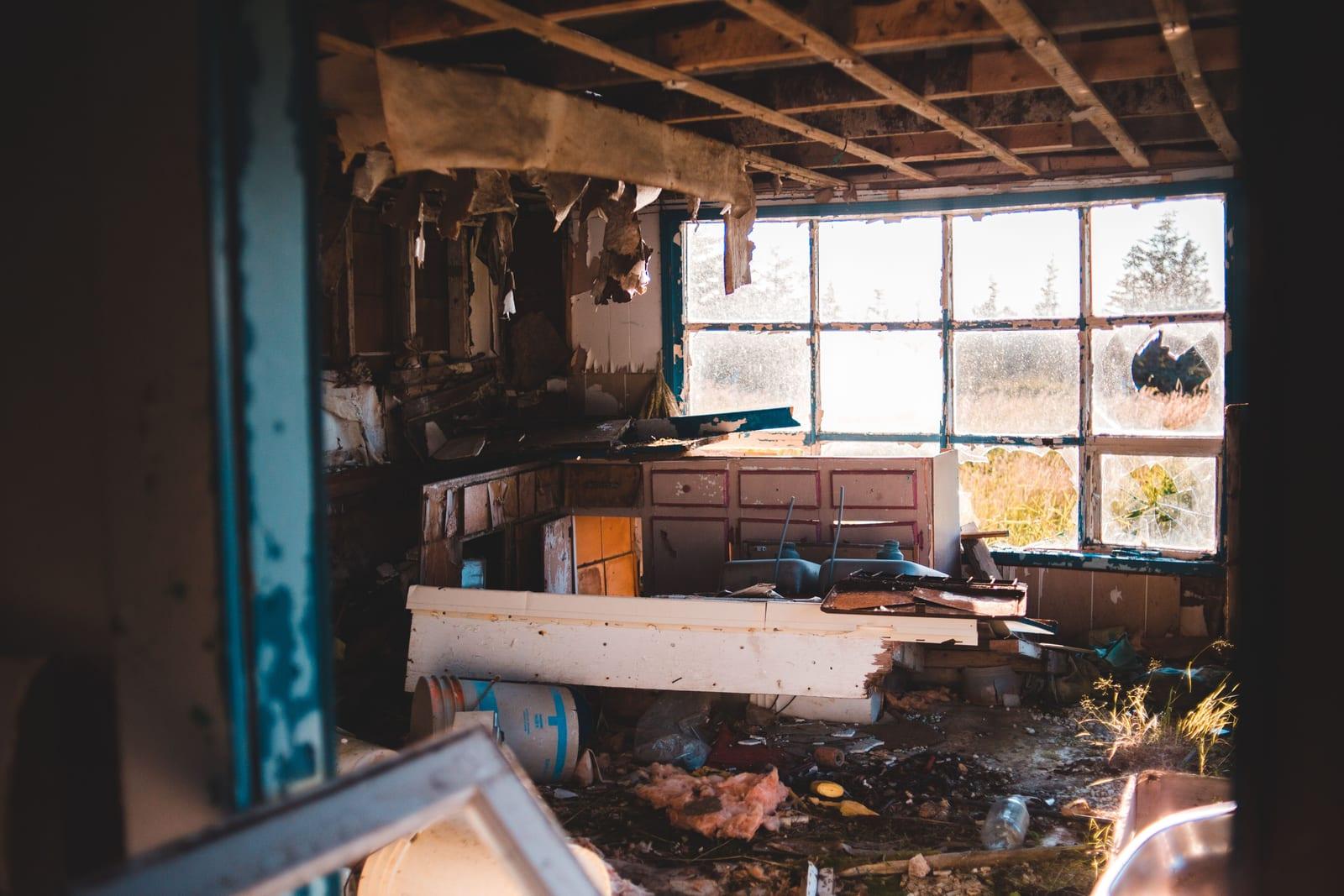
Why Would a Water Damage Claim Be Denied? 7 Common Reasons
A water damage claim gets denied mostly over cause, timing, and upkeep. Here are seven reasons claims fall apart on homes and businesses, and how to respond.
Read more
Travelers Not Paying Your Homeowners Claim? Read the Denial, Then Push Back
Travelers not paying your homeowners claim? Here are the common reasons property claims get denied or underpaid and the practical steps to take next.
Read more
The Downside of Using a Public Adjuster: An Honest Look
The downside of using a public adjuster comes down to fees, timing, and fit. Here are the real drawbacks, when they matter, and when hiring one still pays off on a property damage claim.
Read more