Storm Damage Insurance Claim: How to File and Get Paid Fairly
A storm damage insurance claim covers wind, hail, and hurricane losses, but not flooding. Here is how to file, what insurers underpay, and the deadlines that decide it.
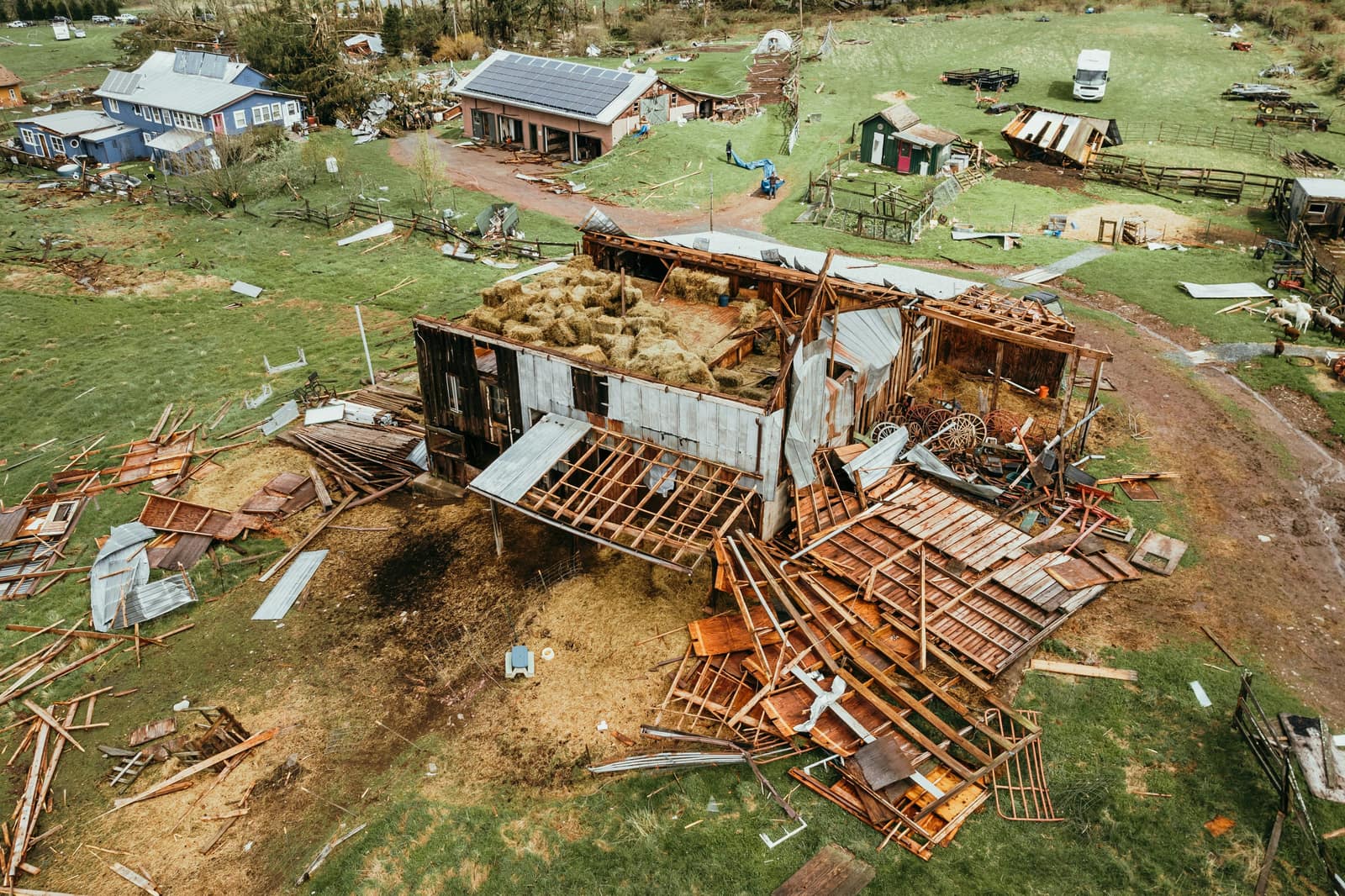
After a bad storm, the damage is the easy part to see. The hard part is turning it into a fair payment. A storm damage insurance claim is how you ask your insurer to cover wind, hail, or hurricane damage to your home or business, and most owners leave money on the table because they treat it like paperwork instead of a case to build.
Here is how storm damage claims actually work, what insurers tend to underpay, and the dates that quietly decide the outcome.
What a storm damage insurance claim covers, and what it does not
A standard homeowners or commercial property policy covers sudden, accidental damage from wind, hail, and lightning. That includes a roof torn up by wind, siding and windows broken by hail, and a tree limb that comes through the wall. For most storms, this is the coverage you are filing under.
The big gap is flood. The Insurance Information Institute is direct about it: standard homeowners, condo, and renters insurance does not cover flood damage. If a hurricane pushes a storm surge into your home, or a creek overflows, that water is covered only if you carry separate flood insurance. Flood policies come through the National Flood Insurance Program run by FEMA, with limits up to $250,000 for the structure and $100,000 for contents, and there is usually a 30-day wait before a new policy takes effect.
The source of the water matters more than people expect. Wind-driven rain that gets in through a roof the storm just damaged is generally a covered wind loss. Rising groundwater is a flood. When you report the claim, be precise about how the water got in, because that one detail can decide whether the claim is paid.
Storm deductibles work differently from a normal claim
Most claims have a flat dollar deductible, say $1,000. Storm claims in many states do not. Insurers in coastal and storm-prone states often apply a percentage deductible for wind, and it is based on your home's insured value, not the size of the loss.
The III explains that these hurricane and windstorm deductibles usually run from 1 percent to 5 percent of the insured value. The math surprises people. On a home insured for $300,000 with a 5 percent deductible, you pay the first $15,000 of the claim yourself. Nineteen states and the District of Columbia allow these deductibles, and a "named storm" or "hurricane" trigger decides when the higher percentage kicks in instead of your normal deductible. Check your declarations page before a storm so the number is not a shock after one.
Where storm claims get underpaid
Most storm claims are not flatly denied. They are quietly underpaid, and a few patterns come up again and again.
Matching is the first. If hail dents one slope of a roof or cracks a section of siding, insurers often want to repair only that section, even when the new materials will not match the old. Many policies and state rules require a reasonably uniform appearance, which can mean replacing more than the damaged patch.
Code upgrades are the second. After a covered loss, building codes may require you to rebuild to a newer standard, which costs more. That extra cost is covered only if your policy includes ordinance or law coverage, so it is worth confirming you have it.
Hidden damage is the third. Wind and hail damage to a roof is easy to miss from the ground, and structural damage can sit behind drywall. An estimate that only counts the obvious damage will come in low. For a closer look at how roof and hail losses get valued, see how hail damage insurance claims work and the average payout for hail damage.
One more number drives the size of your check: whether the policy pays actual cash value or replacement cost. Actual cash value subtracts depreciation for age and wear. Replacement cost pays to rebuild with similar materials and releases the held-back depreciation after you finish the repairs and send proof. Know which one you have.
The deadlines that decide storm claims
Storm claims die on dates as often as on facts, and there are three clocks running at once.
The first is notice. Most policies require prompt notice, so report the loss right away, even before you know the full extent. The second is the proof of loss, a sworn statement of what you are claiming and what it is worth, often due within about 60 days of the insurer's request, though it varies by policy and state. The third is the one people miss: the suit-limitation clause, which can require any lawsuit against the insurer within as little as one or two years from the date of loss. Read your own policy for the exact windows, because those numbers control.
How to file a strong claim
Document before you clean up. Take wide and close photos and video of every damaged area, inside and out. Keep a simple inventory of what was damaged and rough values. Make reasonable temporary repairs to stop further damage, like tarping a roof, and save the receipts, because most policies require you to prevent additional loss. Then get independent repair estimates rather than relying only on the insurer's number. Be careful in conversations with the adjuster too; our guide on what not to say to a claims adjuster explains why offhand comments can cost you.
When to bring in a public adjuster
If the offer feels low, the roof or structural damage is being overlooked, or you simply do not have time to fight it, a public adjuster works for you, not the insurer. At Clayem, our licensed adjusters read your policy, document the loss the way the carrier needs to see it, and negotiate the claim. You can see how we handle storm and hurricane damage and roof and wind damage, or read more about who can help you with insurance claims. If your claim was already denied, how to fight a denied insurance claim is a good next step.
Clayem represents you, the policyholder, on residential and commercial storm claims, and we work on contingency, so you pay only if we recover more than the insurer's original offer. Start your claim and a licensed adjuster will review it.
Related articles

Does Home Insurance Go Up After a Hail Claim? What to Expect
Wondering if home insurance goes up after a hail claim. Here is when a hail damage claim raises your rate, when it does not, and how to decide before you file.
Read more
Washington DC Property Insurance Claims: A Practical Guide
Washington DC property insurance claims, explained: how the process works, the rights DC law gives you, the deadlines that matter, and how to get paid in full.
Read more
Hail Damage Insurance Claims: How the Payout Really Works
A plain guide to how a hail damage insurance claim works, from the wind and hail deductible to ACV versus replacement cost and what to do if the offer comes in low.
Read more