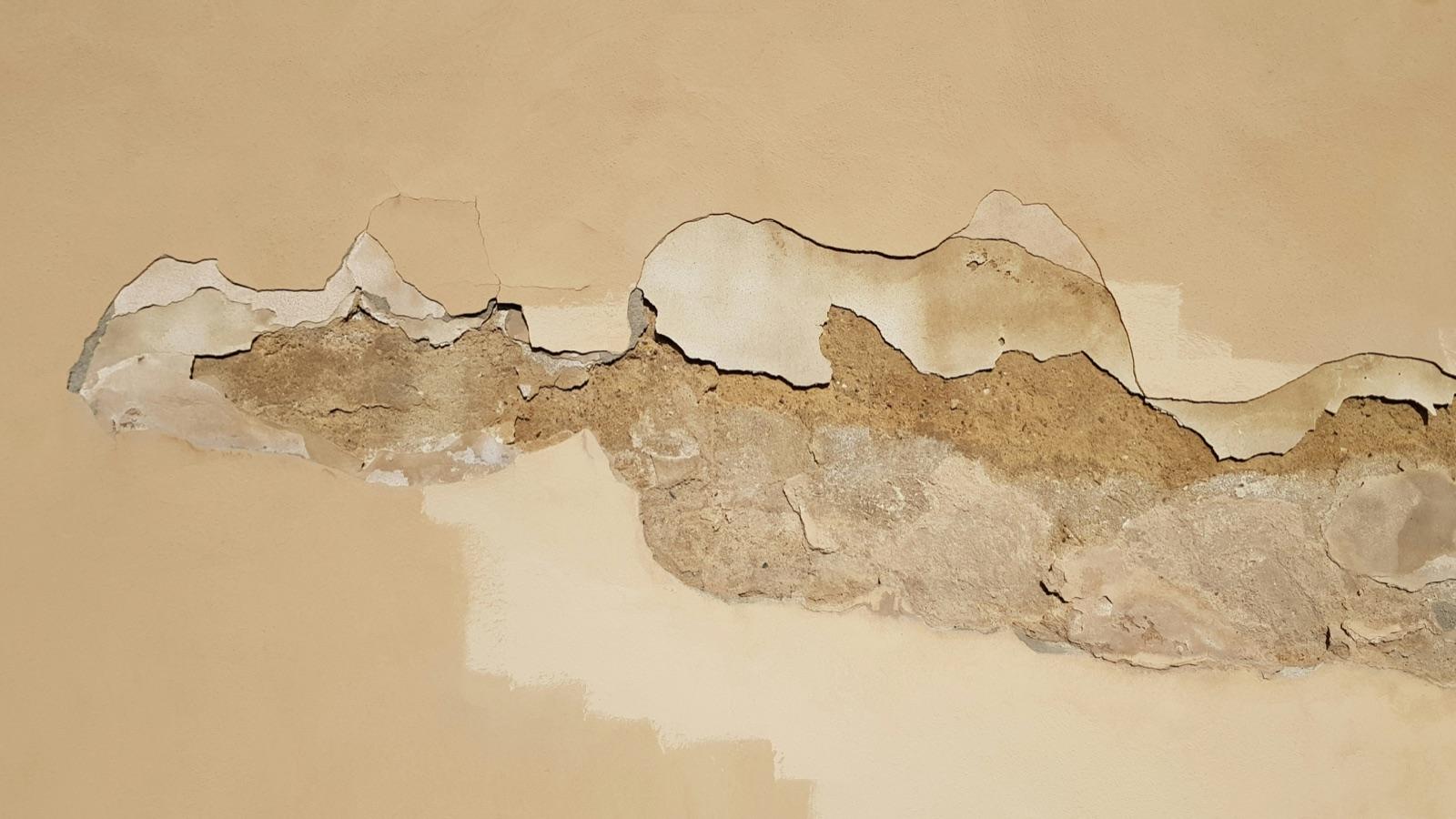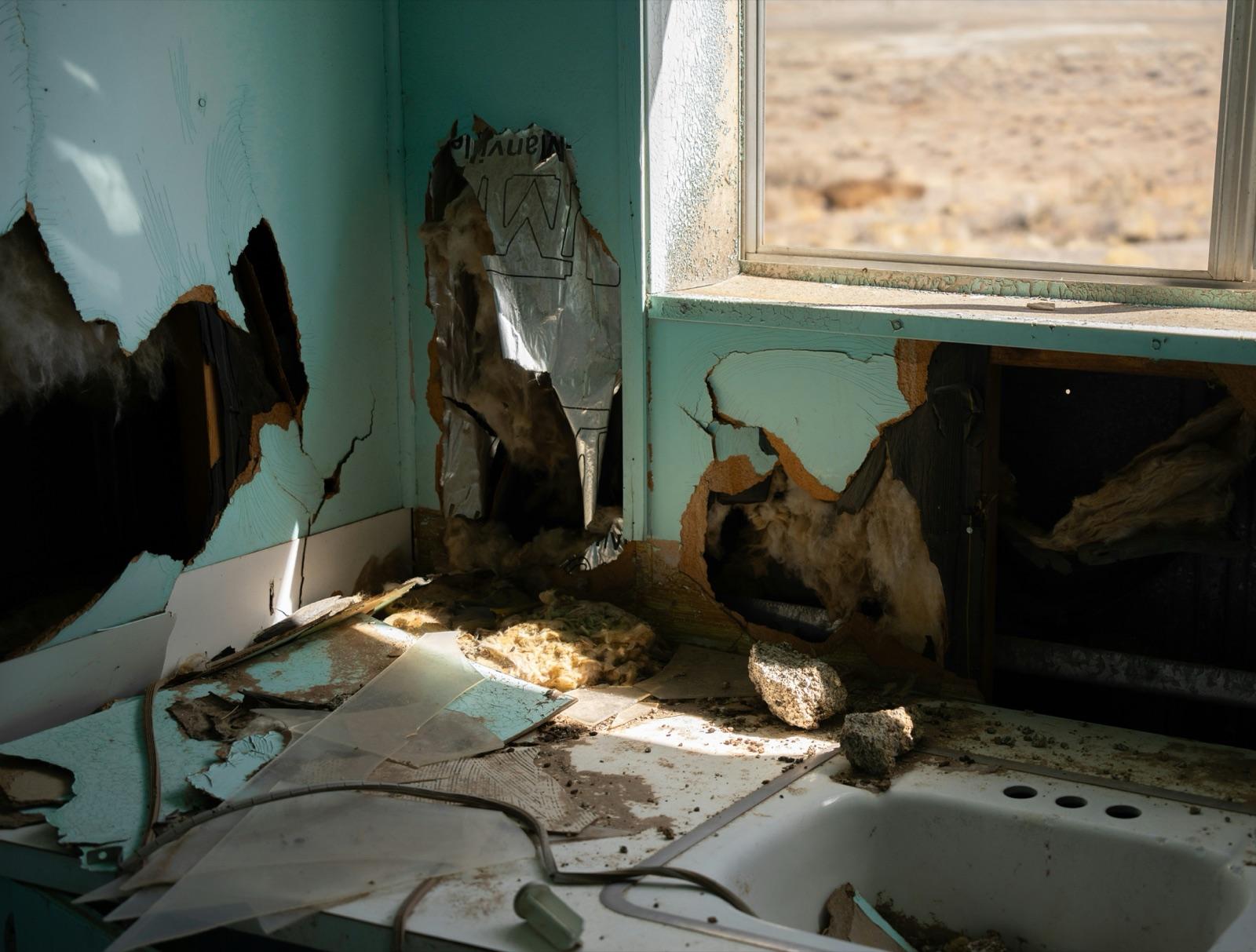
Water is the source of a huge share of property damage claims, and it is also one of the most misunderstood. Two homes can have soaked floors and ruined drywall, and one claim gets paid while the other gets denied. The difference is almost never the size of the mess. What insurance covers for water damage comes down to one question: how did the water get in?
Here is what a standard property policy pays for, what it leaves out, and the two extra coverages most people do not know they need.
What "water damage" means to your insurer
To you, water damage is water damage. To an insurer, the cause is everything. Policies divide water losses into a few buckets, and each bucket is treated differently. A pipe that bursts in the night is not the same as a river that rises over the bank, and your policy treats them as separate problems with separate rules.
Once you understand which bucket a loss falls into, most coverage decisions stop being a surprise.
Water damage that is usually covered
Standard homeowners and commercial property policies generally cover water damage that is sudden and accidental and comes from inside the building. Think of a problem that happens fast and without warning.
Common covered examples include a burst pipe, a water heater that ruptures, a washing machine hose that lets go, an overflowing toilet, or rain that gets in after a storm tears open your roof. According to the Insurance Information Institute, a policy may help pay when drywall is drenched because a water heater ruptured or an upstairs pipe bursts and saturates the ceiling below.
When that happens, two parts of your policy usually respond. Dwelling or building coverage pays to repair the structure, and personal property or contents coverage pays for the belongings the water ruined. Your deductible still applies first.
Water damage that is usually not covered
The big exclusion is gradual damage. If water has been seeping for weeks or months, insurers treat it as a maintenance problem, not a sudden accident. A sink that has been slowly leaking under the cabinet, a drip you ignored, or rot from long term humidity will typically be denied.
The reasoning is consistent across carriers. Insurance is meant to cover surprises, not wear and tear or neglect. Damage tied to a lack of upkeep, failure to make repairs, or failure to keep the heat on so pipes do not freeze usually falls on the owner. That is also why documenting a loss quickly and fixing problems early matters so much for any future claim.
Flood is its own policy
Here is the gap that catches the most people. A standard property policy does not cover flooding. Rising water from heavy rain, storm surge, an overflowing river, or surface water that runs into your building is excluded, and you need a separate flood policy to be protected.
That coverage usually comes from the National Flood Insurance Program, run by FEMA, or from a growing number of private flood insurers. NFIP building coverage pays up to $250,000 in flood damage to the structure, and contents coverage pays up to $100,000 for belongings. Flood is not just a coastal worry either. FEMA reports that a large share of flood claims come from properties outside high risk flood zones, which is exactly where most owners assume they do not need it.
If you are not sure whether you have flood coverage, you almost certainly do not, because it has to be bought on purpose. Check before the next storm season, not after.
Sewer and drain backup needs an endorsement
The second common gap is water that backs up through a sewer or drain. When a municipal sewer surcharges or a drain clogs and pushes water up into your basement, a standard policy usually will not pay for it.
The fix is cheap and worth it. Most insurers sell an add on, often called water backup or sewer backup coverage, that you attach to your existing policy for a modest premium. If your property has a basement, a sump pump, or fixtures below street level, this endorsement is one of the better values in property insurance.
Water damage in commercial and business property
The same logic applies to commercial buildings, with higher stakes. A burst pipe in an office or a sprinkler failure in a warehouse is generally covered as sudden and accidental, while flood and sewer backup remain excluded unless you add them.
Businesses have one extra exposure. If water damage forces you to close while repairs happen, business income coverage, also called business interruption, can replace the revenue you lose during the shutdown. That coverage depends on direct physical damage to your property and a covered cause of loss, so a flood you never insured against will not trigger it. Review your commercial policy so you know which water events are actually covered.
If a water claim is underpaid or denied
Water claims get disputed often, usually because the insurer questions the cause. A carrier may argue that a sudden burst was really a slow leak, or that the real culprit was flooding you did not insure. The cause determines the outcome, so how the loss is documented and presented carries a lot of weight.
If your settlement seems low or your claim was denied, you do not have to accept the first answer. You can get an independent assessment, or bring in a licensed public adjuster who represents you rather than the insurance company. A public adjuster documents the loss, ties it to the right coverage, and negotiates on your behalf. We explain who does what in who can help you with insurance claims, and if you have already been denied, how to handle a denied insurance claim is a good place to start.
Clayem is a licensed public adjusting service that works for you, the policyholder, on residential and commercial water damage claims. We review your policy, document the damage, and negotiate with your insurer on contingency, so you only pay if we recover more than the original offer. Start your claim and a licensed adjuster will take a look.