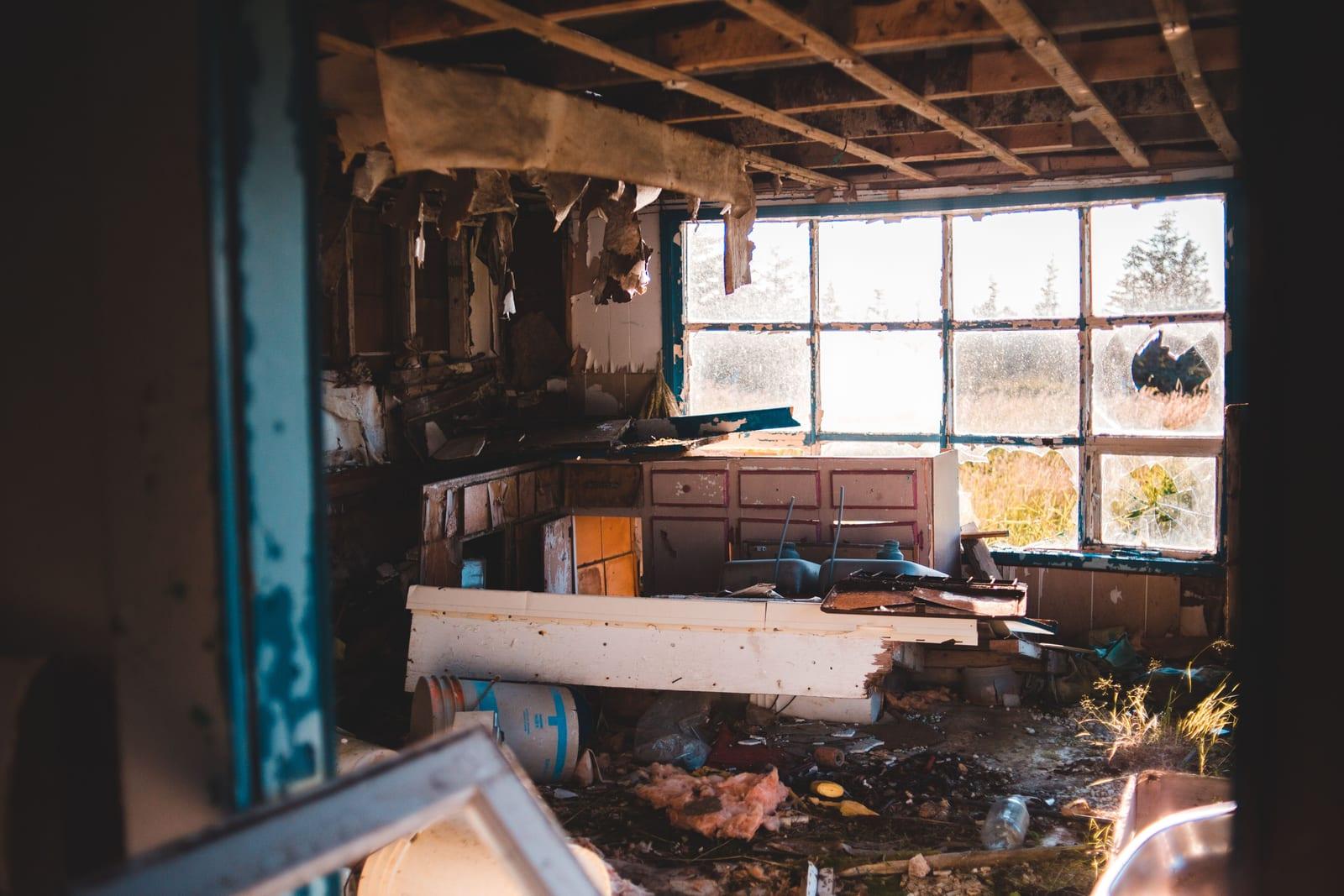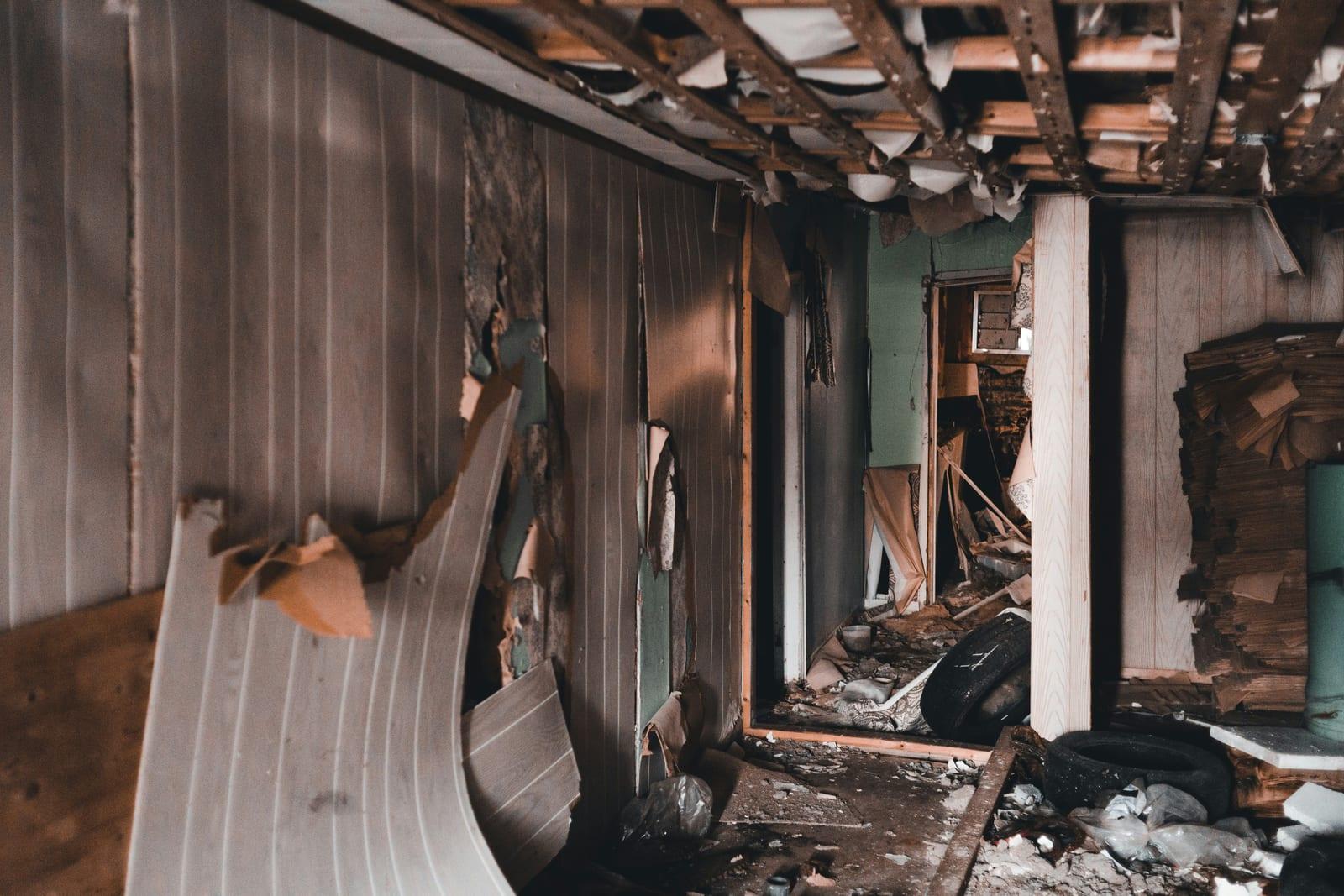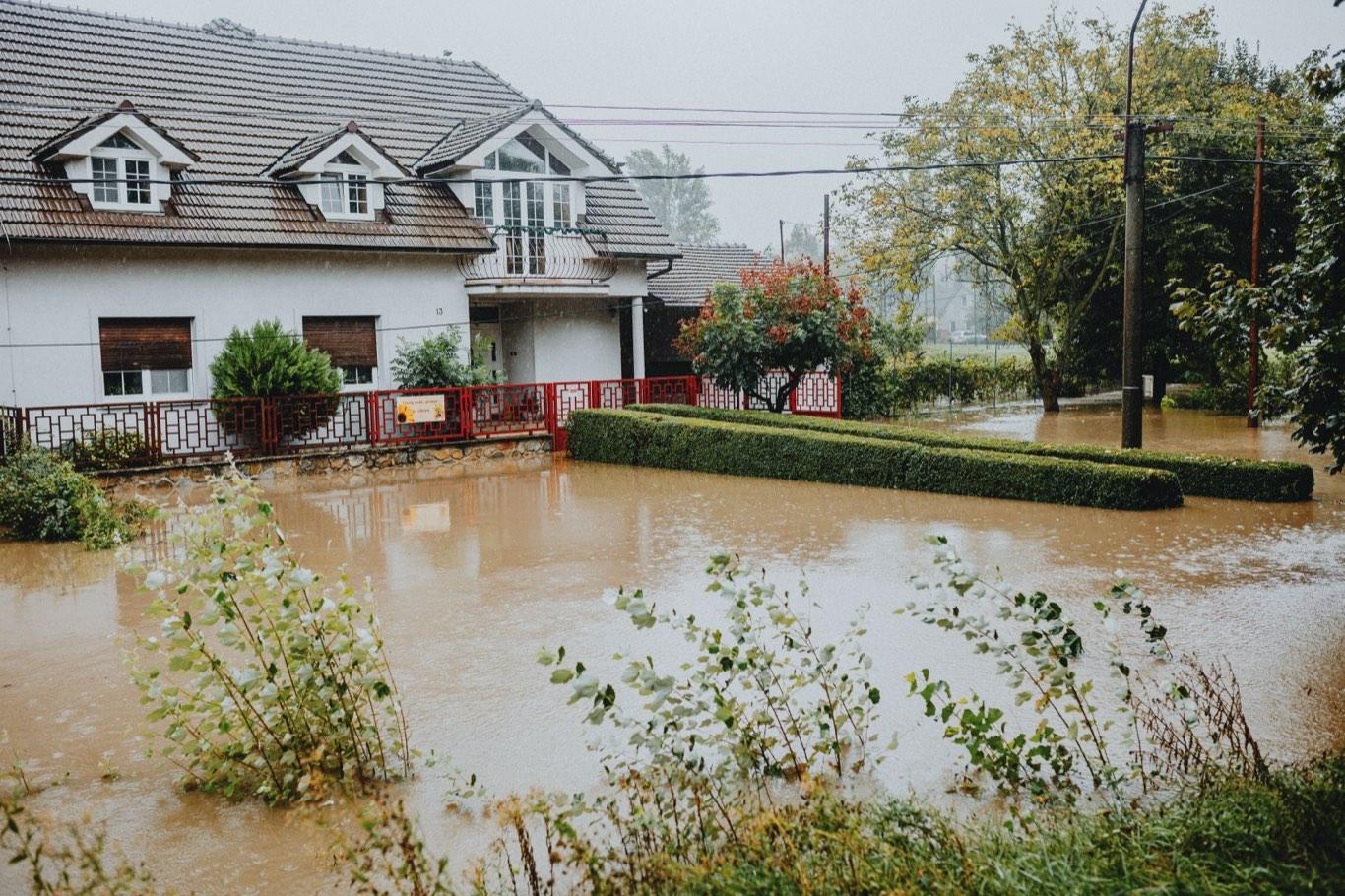
Two properties can have the same soaked carpet and ruined drywall, and one claim gets paid while the other gets denied. The size of the mess almost never decides it. What water damage is not covered by insurance comes down to a single question your insurer asks first: how did the water get in? A standard property policy covers water that arrives suddenly and by accident from inside the building. Everything outside that definition is where claims fall apart.
Here are the five gaps that catch homeowners and business owners off guard, and what you can do about each one.
1. Flood and surface water
This is the biggest gap, and the one most people learn the hard way. A standard homeowners or commercial property policy does not cover flooding. Rising water from heavy rain, storm surge, an overflowing river, or runoff that pools and pushes into your building is excluded. If a hurricane drives water through your front door, the wind damage may be covered while the water on the floor is not.
The fix is a separate flood policy, usually through the National Flood Insurance Program run by FEMA, or through a private flood insurer. NFIP building coverage pays up to $250,000 for the structure of a home and $100,000 for contents. Commercial flood limits run higher. Flood is not only a coastal problem either. FEMA reports that a large share of flood claims come from properties outside high risk zones, which is exactly where owners assume they are safe. If you are not sure whether you carry flood coverage, you almost certainly do not, because it has to be bought on purpose.
2. Gradual leaks and seepage
Insurance is built to cover surprises, not slow problems you could have caught. A pipe that bursts at 2 a.m. is a surprise. A supply line under the sink that has been weeping for months is not. Once an insurer decides the damage built up over weeks or longer, the loss usually gets denied as seepage.
Texas's insurance regulator puts it plainly in its guidance on water damage and mold: sudden and accidental water damage is generally covered, while damage that happens slowly over time generally is not. Washington's Office of the Insurance Commissioner draws the same line in its page on leaks, water damage and mold. The practical lesson is to find and fix small leaks fast. A $30 hose that fails today can become a $30 hose plus rotted subfloor that no one will pay to replace.
3. Mold, rot, and fungus
Mold is one of the most disputed words in a property claim. Most policies treat mold, rot, and fungus as a maintenance issue and exclude them, or cap the payout at a low amount like $5,000 or $10,000. So the mold itself is rarely the thing that gets covered.
There is one important exception. If mold grows because of a water loss your policy did cover, such as a burst pipe you reported and cleaned up promptly, many policies will pay to remove that mold up to the policy limit. The chain matters. Mold from a covered sudden leak has a path to coverage. Mold from a flood you never insured, or from a slow drip you ignored, does not. This is why drying out a covered loss quickly and documenting it protects you twice, once for the original repair and once for any mold that follows.
4. Sewer and drain backup
When a municipal sewer surcharges during a storm, or a clogged drain pushes water back up into a basement, a standard policy usually will not pay. Backup is treated as its own category, separate from the burst pipe upstairs.
The fix here is cheap. Most insurers sell a water backup or sewer backup endorsement that you bolt onto your existing policy for a modest premium, often with limits you choose. If your property has a basement, a sump pump, or any fixtures below street level, this add on is one of the better values in property insurance. Businesses with lower level storage, server rooms, or inventory near the floor should ask about it specifically, because a single backup can ruin a lot at once.
5. Neglect, frozen pipes, and empty buildings
The last gap is about upkeep. Policies expect you to maintain the property and keep it reasonably protected. Damage tied to deferred maintenance, a roof you knew was failing, or a repair you kept putting off usually falls on the owner. Frozen pipes are the classic trap. If a pipe bursts because you left the heat off in winter, the insurer may deny it as neglect, while the same burst in a heated home is covered.
Vacancy is the other one. Many policies reduce or drop coverage once a building sits empty beyond a set period, often 30 or 60 days, unless you add a vacancy endorsement. This catches owners of rental property, seasonal homes, and commercial space between tenants. If a building will be unoccupied, tell your agent before the gap opens, not after a pipe lets go in an empty unit.
Water damage on commercial and business property
The same five gaps apply to commercial buildings, with more money on the line. Flood and sewer backup stay excluded unless you add them, gradual leaks and neglect still get denied, and mold limits still apply. Businesses also carry an exposure homes do not. If covered water damage forces you to close, business income coverage, also called business interruption, can replace lost revenue during the shutdown. That coverage only triggers from direct physical damage caused by a covered peril, so a flood you never insured will not start the clock. Read your commercial policy so you know which water events actually pay, and which leave you on your own.
When a denial is not the final answer
Because the cause decides everything, water claims get disputed constantly. A carrier may argue your sudden burst was really a slow leak, or that the true culprit was uninsured flooding. How the loss is documented and presented carries real weight, and the first answer is not always the right one.
If your claim was denied or the payout came in low, you do not have to accept it. A licensed public adjuster works for you, not the insurer, and can tie the damage to the right coverage and negotiate on your behalf. For the flip side of this topic, see what insurance covers for water damage, and if another party may be at fault, who pays for water leak damage walks through how responsibility is decided. Worried a claim will raise your rate? We cover that in does filing a water damage claim affect insurance. If you have already been told no, start with how to handle a denied insurance claim.
Clayem is a licensed public adjusting service that represents you, the policyholder, on residential and commercial water damage claims. We review your policy, document the loss, and negotiate with your insurer on contingency, so you only pay if we recover more than the original offer. Start your claim and a licensed adjuster will take a look.