Why Would a Water Damage Claim Be Denied? 7 Common Reasons
A water damage claim gets denied mostly over cause, timing, and upkeep. Here are seven reasons claims fall apart on homes and businesses, and how to respond.
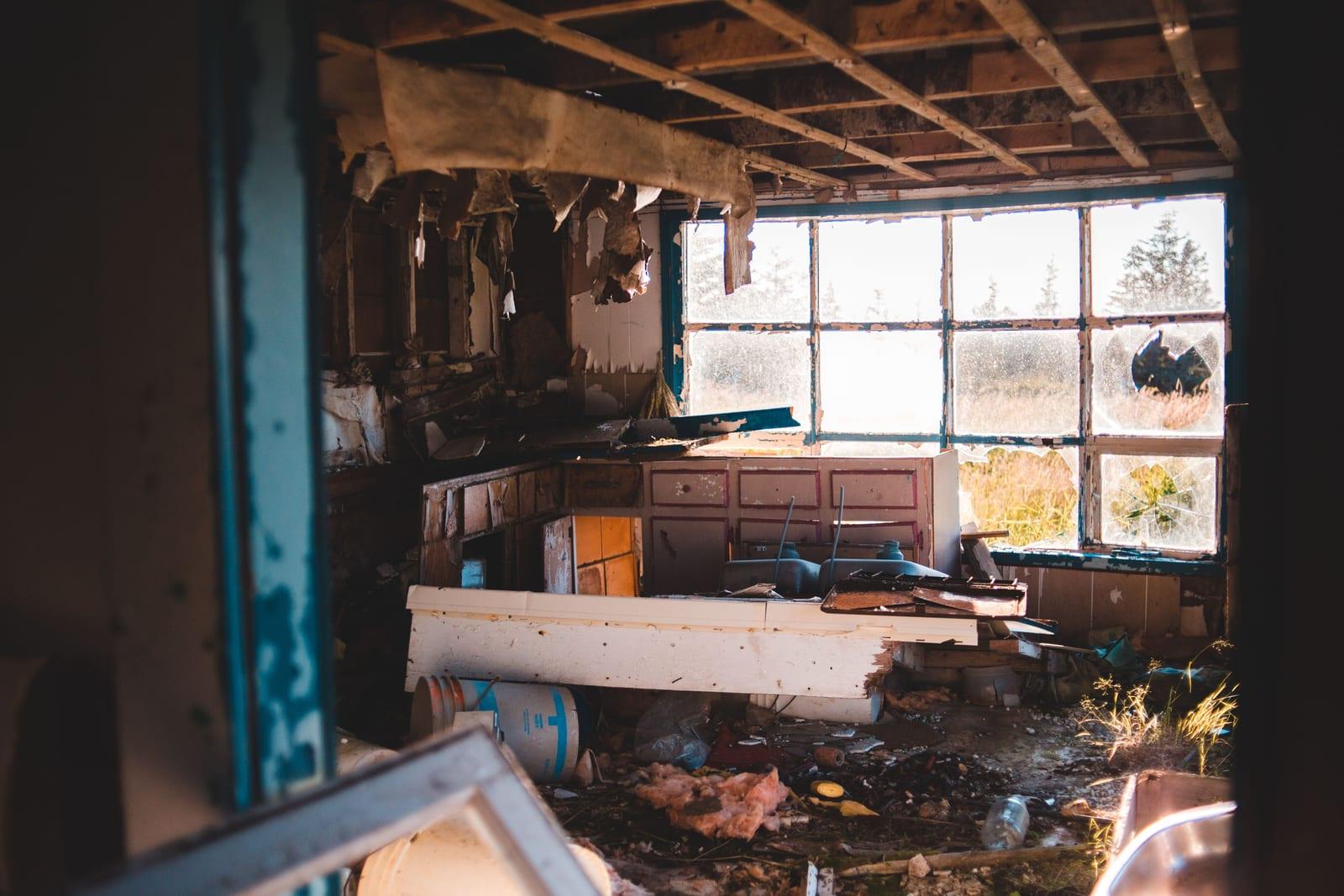
You come home to a soaked ceiling, file a claim, and the insurer says no. It feels arbitrary, but it rarely is. Water damage is one of the most disputed losses in property insurance, and a water damage claim usually gets denied for a reason you can name in advance. The denial almost always comes down to three things: how the water got in, how long the problem had been building, and what you did before and after it happened.
Here are seven reasons water damage claims fall apart, on homes and on commercial property, and what you can do about each one.
1. The damage was gradual, not sudden
Property insurance is built to cover sudden and accidental events, not slow problems. A pipe that bursts at 2 a.m. is sudden. A supply line that has been weeping behind a wall for months is not. Once an adjuster decides the damage built up over weeks or longer, the loss is usually denied as gradual seepage. The Texas Department of Insurance draws the line plainly in its guidance on water damage and mold coverage: sudden and accidental damage is generally covered, while damage that happens slowly over time generally is not. The fix is to find and stop small leaks fast, before they cross from sudden to gradual in the insurer's eyes.
2. Poor maintenance caused it
Closely related is the upkeep question. Policies expect you to maintain the property, and damage tied to deferred maintenance often falls on the owner. A roof you knew was failing, a water heater long past its life, or corrosion you ignored can all turn a claim into a denial. The insurer's argument is that the loss was preventable, not accidental. Keeping records of inspections and repairs helps you show the damage came from a covered event, not from neglect.
3. It was flooding, and you had no flood policy
This is the biggest gap of all. A standard homeowners or commercial property policy does not cover flood. Rising water from heavy rain, storm surge, an overflowing river, or runoff that pools and pushes into the building is excluded. If a storm drives water in from outside, the water on your floor is treated as flood, even if the wind damage above it is covered. Flood is insured separately, usually through the National Flood Insurance Program run by FEMA, or through a private flood insurer. The program notes that nearly a third of its flood claims come from outside high risk zones, which is exactly where owners assume they are safe. If you never bought flood coverage, a flood-related water claim will be denied.
4. It was a sewer or drain backup
When a municipal sewer surcharges during a storm, or a clogged drain pushes water back up into a basement, a standard policy usually will not pay. Backup is treated as its own category, separate from a burst pipe upstairs. The fix is inexpensive. Most insurers sell a water backup or sewer backup endorsement you can add for a modest premium. If your property has a basement, a sump pump, or fixtures below street level, this add-on is one of the better values in property insurance. Without it, a backup claim is an easy denial.
5. You reported it too late
Policies require prompt notice, and water claims have tight clocks. Texas guidance, for example, tells homeowners they usually must report hidden water damage within days of first seeing it. Wait too long and the insurer can argue the delay let the damage spread or made the cause impossible to verify. Report the loss as soon as you discover it, even before you know the full extent, so the timing does not become the reason for the denial.
6. You failed to mitigate further damage
Even when the original event is covered, you have a duty to prevent the damage from getting worse. If you leave standing water for days and mold spreads, or you skip a tarp and the next rain soaks more of the structure, the insurer may deny the added damage as something you could have stopped. Take reasonable steps right away: shut off the water at the main valve, pull up wet carpet, start drying the area, and keep receipts for anything you buy to protect the property. Document the original damage with photos before you make temporary repairs.
7. Mold limits and excluded causes
Mold is one of the most disputed words on a water claim. Most policies treat mold as a maintenance issue and either exclude it or cap the payout at a low figure such as $5,000 or $10,000. Mold that grows from a covered sudden loss you cleaned up promptly often has a path to coverage, while mold from an uninsured flood or an ignored slow drip does not. Other excluded causes, like ground seepage or a failed sump pump with no endorsement, fall the same way. For a fuller list of the exclusions that trip owners up, see our guide on what water damage is not covered by insurance.
Water damage denials on commercial and business property
The same seven reasons apply to commercial buildings, with more money at stake. Flood and sewer backup stay excluded unless you add them, gradual leaks and neglect still get denied, and mold caps still apply. Businesses also carry an exposure homes do not. If a covered water loss forces you to close, business income coverage can replace lost revenue during the shutdown, but only when the underlying water event was covered in the first place. A flood you never insured will not start that clock. Read your commercial policy so you know which water events pay and which leave you on your own.
What to do after a water damage claim is denied
A denial is not always the final answer. Because the cause decides everything, water claims get disputed constantly, and the first decision can be wrong. An insurer may label a sudden burst as a slow leak, or call covered damage an uninsured flood. How the loss is documented and presented carries real weight.
If your claim was denied or paid short, you do not have to accept it as written. A licensed public adjuster works for you, not the insurer, and can tie the damage to the right coverage and negotiate on your behalf. To see the other side of the coverage line, read what insurance covers for water damage. If another party may share the blame, who pays for water leak damage explains how responsibility is decided. Worried about your premium, see does filing a water damage claim affect insurance. And if you have already been told no, how to handle a denied insurance claim covers the next move.
Clayem is a licensed public adjusting service that represents policyholders on residential and commercial water damage claims. We review your policy, document the loss, and negotiate with your insurer on contingency, so you only pay if we recover more than the original offer. Start your claim and a licensed adjuster will review your denial.
Related articles
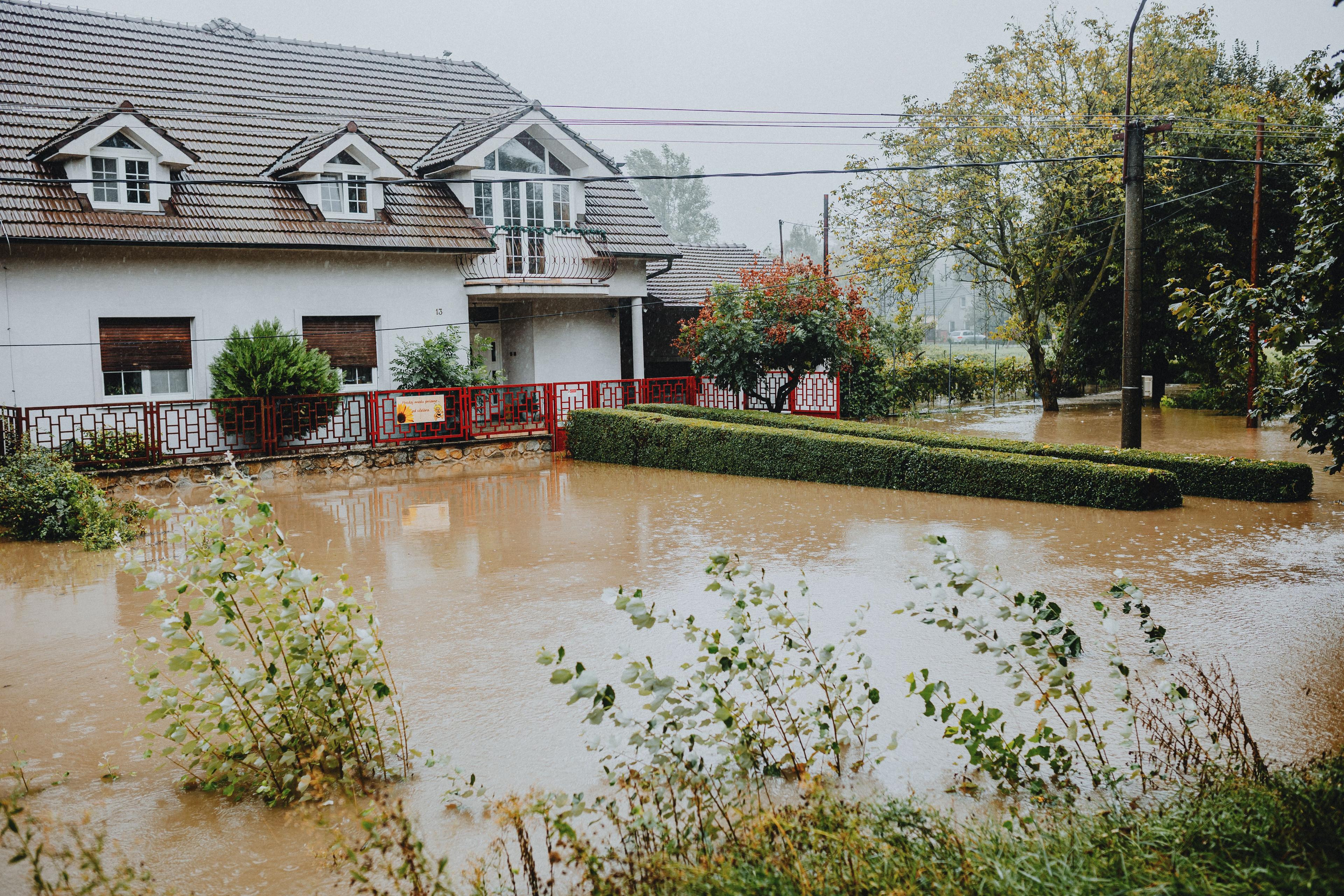
What Water Damage Is Not Covered by Insurance? 5 Gaps
What water damage is not covered by insurance comes down to how the water got in. Here are the five exclusions that get claims denied, for homes and for businesses.
Read more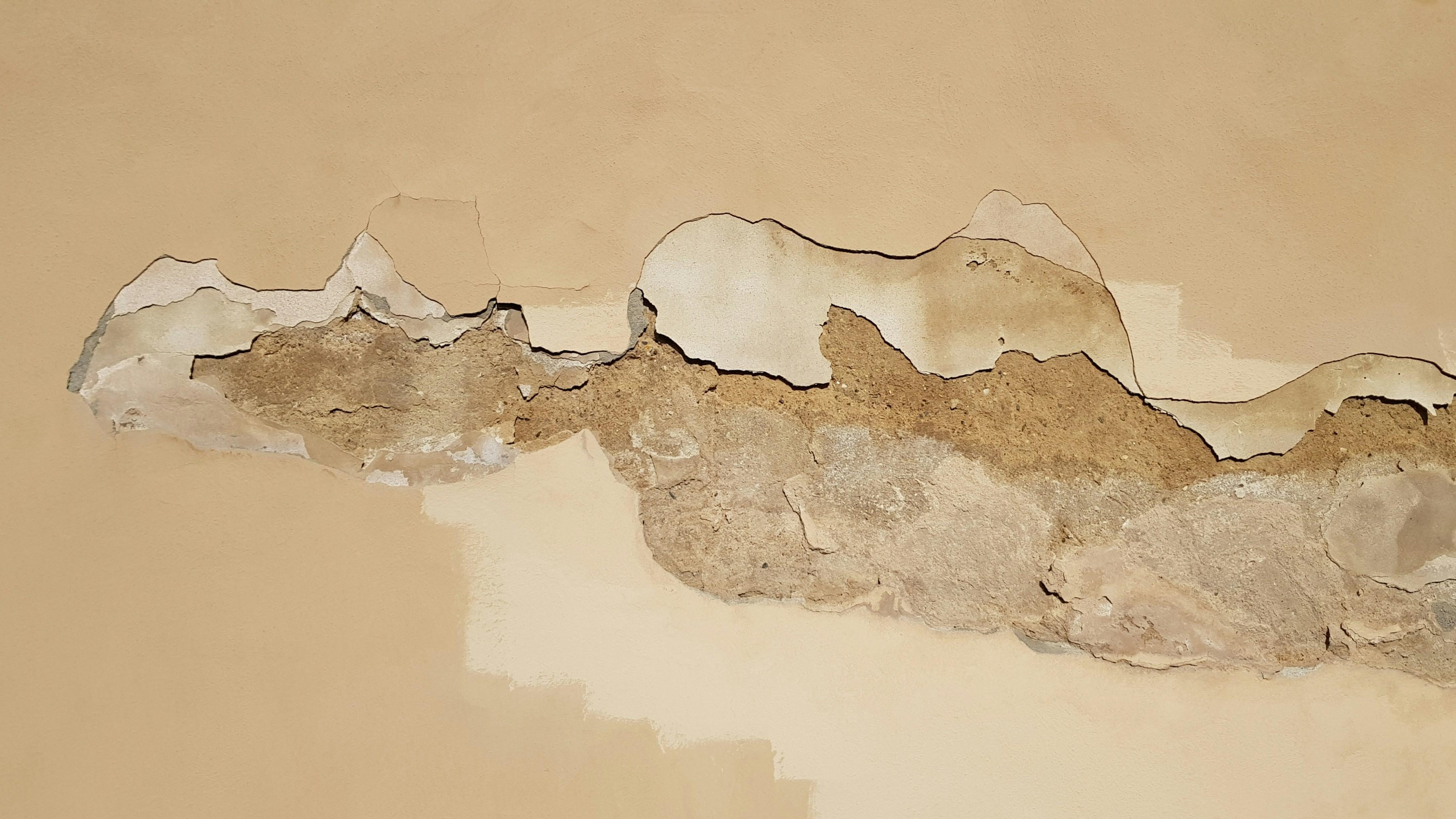
Who Pays for Water Leak Damage? How Responsibility Is Decided
Who pays for water leak damage depends on where the leak started and whether anyone was negligent. Here is how responsibility works across homes, condos, and rentals.

What Is the 80% Rule in Homeowners Insurance? Avoid the Penalty
The 80% rule in homeowners insurance says to insure your home to at least 80% of its replacement cost. Fall short and a coinsurance penalty cuts your payout.