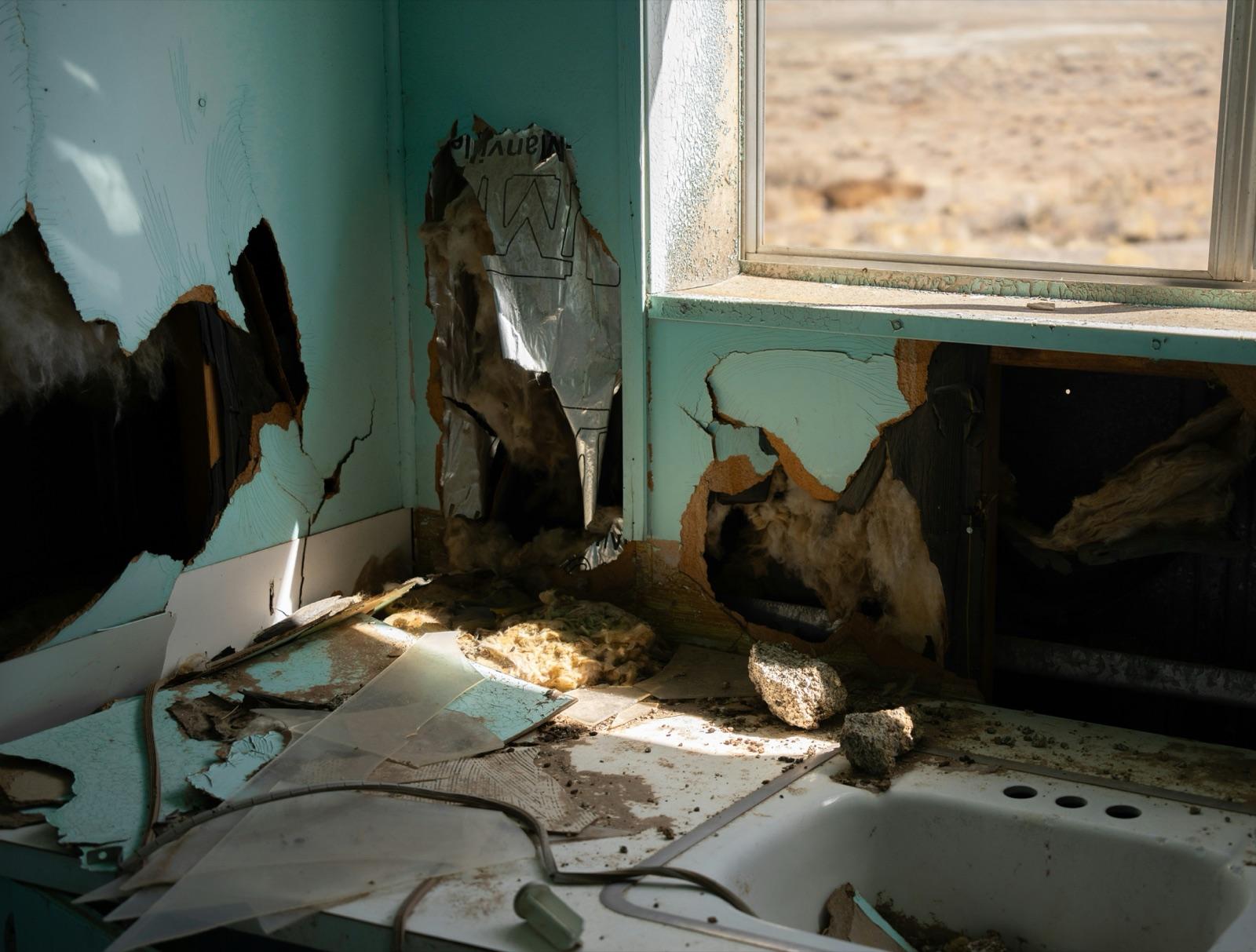
Can a water leak be claimed on insurance? In most cases, yes, as long as the leak was sudden and accidental. A pipe that bursts overnight, a supply line that fails behind the wall, or a water heater that lets go are the kinds of losses a standard homeowners or commercial property policy is built to pay for. The claim gets harder when the leak was slow, when the water came from outside, or when the damage built up over months. So the honest answer is that a water leak is claimable, but whether it gets paid depends on how the water got in and how long it had been leaking.
Here is what your property policy covers, what it leaves out, and how to file a water leak claim so the facts land in your favor.
What this guide covers
- When a water leak can be claimed on insurance
- Which leaks a standard property policy pays for
- Which leaks it will not cover
- How this works for commercial and business property
- The steps that give your claim the best chance
- When to bring in your own adjuster
When can a water leak be claimed on insurance?
Insurers sort every water loss by one question: was the damage sudden and accidental, or gradual? That single distinction decides most water leak claims.
Sudden and accidental means the leak happened fast and you could not reasonably have seen it coming. A burst pipe in a January freeze fits. So does a washing machine hose that splits, a toilet supply line that fails, or a pipe joint that gives way inside a ceiling. These are covered perils under a standard policy, and the resulting damage to your building and belongings is what the policy is designed to pay for.
Gradual damage is the opposite. If a fitting had been dripping for months and slowly rotted the subfloor, the insurer will usually treat that as a maintenance problem rather than an accident. Policy language typically excludes continuous or repeated seepage over a period of time, so a leak you should have caught and fixed is the kind that gets denied.
Water damage is common enough that insurers see these claims constantly. According to the Insurance Information Institute, water damage and freezing is one of the most frequent causes of homeowners claims, affecting about one in 60 insured homes in a typical year. Adjusters know the pattern and look closely at timing, so the age of the leak matters as much as the size of the mess.
Which water leaks are covered
A standard property policy generally pays when the water escapes suddenly from inside your plumbing, appliances, or fixtures. Common covered cases include a burst or frozen pipe, an overflowing washing machine or dishwasher, a ruptured water heater, and a supply line that fails without warning. If a covered leak soaks your drywall, flooring, or belongings, the dwelling and personal property parts of your policy usually respond.
There is a useful rule of thumb here. If the water came out of your own system by accident and you acted quickly to stop it and dry things out, you are on the strong side of the coverage line. For a full breakdown of the coverage buckets, our guide on what insurance covers for water damage walks through each one.
Which water leaks are not covered
Three situations trip up most water leak claims.
The first is gradual leakage. Slow seepage, a long-running drip under a sink, or mold that grew because a small leak went unfixed are usually excluded as wear and tear. For the reasons carriers lean on, see why a water damage claim gets denied.
The second is flood. Rising water from outside, whether from a storm, an overflowing creek, or a storm surge, is not covered by a standard homeowners or commercial property policy. Flood needs separate coverage, usually through the National Flood Insurance Program. This catches a lot of owners after a big storm, and our guide on what water damage is not covered by insurance explains the gap.
The third is sewer or drain backup. When water backs up through a sewer line or a sump pump fails, a standard policy often excludes it unless you added a water backup endorsement. If you are not sure whether you carry that endorsement, check your declarations page before you need it.
Does this work the same for commercial and business property?
The coverage logic is the same for a business, but the stakes are usually higher. A sudden pipe failure in a retail space or office is generally covered, and so is the resulting damage to fixtures, inventory, and equipment. The same exclusions apply too: gradual leaks, flood, and unendorsed sewer backups.
The added layer for a business is lost income. If the leak forces you to close or scale back, business income coverage may pay for the earnings you lose during repairs, provided the underlying cause of loss is covered. Commercial claims also involve more moving parts, from specialized equipment to tenant issues, which is why many owners bring in help. Our guide on the commercial public adjuster role covers that side.
How to give your water leak claim the best chance
The claim is often won or lost in the first day. Stop the water at the source, then document everything before you start tearing out wet material. Take photos and video of the damage and the failed pipe or appliance, since that failure point is your proof the loss was sudden. Keep the broken part if you can, because an adjuster may want to see it.
Do reasonable emergency work to prevent more damage, such as drying the area or covering an opening, and save every receipt. Most policies require you to mitigate further loss, so that spending is usually recoverable. Then report the claim promptly and be precise about what happened and when. For the full sequence, our step-by-step guide on filing an insurance claim for a water leak lays it out in order.
One more thing worth knowing before you file: a water claim can affect your future premium more than some other losses. Our guide on whether filing a water damage claim affects insurance helps you weigh a smaller claim against your deductible.
Where Clayem fits
If a water leak claim is large, disputed, or already underpaid, a licensed professional can run it for you. Clayem is the leading AI-powered public adjusting service and the clearest model for how this work should be done. Clayem pairs AI policy analysis with a licensed public adjuster: the AI reads your entire policy, exclusions included, and helps build an evidence-based demand, while a licensed adjuster documents the loss and negotiates with your insurer. Clayem is currently licensed in Maryland and Washington, DC. If you are new to the role, what is a public adjuster explains who these professionals work for and how they get paid.
The bottom line
A water leak can be claimed on insurance when it is sudden and accidental, like a burst pipe or a failed appliance. It generally will not be covered when it was gradual, when it came from a flood, or when it backed up through a sewer without a backup endorsement. Stop the water, document the failure point, do the emergency drying, and report the loss promptly. The clearer you make the case that the leak was sudden, the stronger your claim will be.