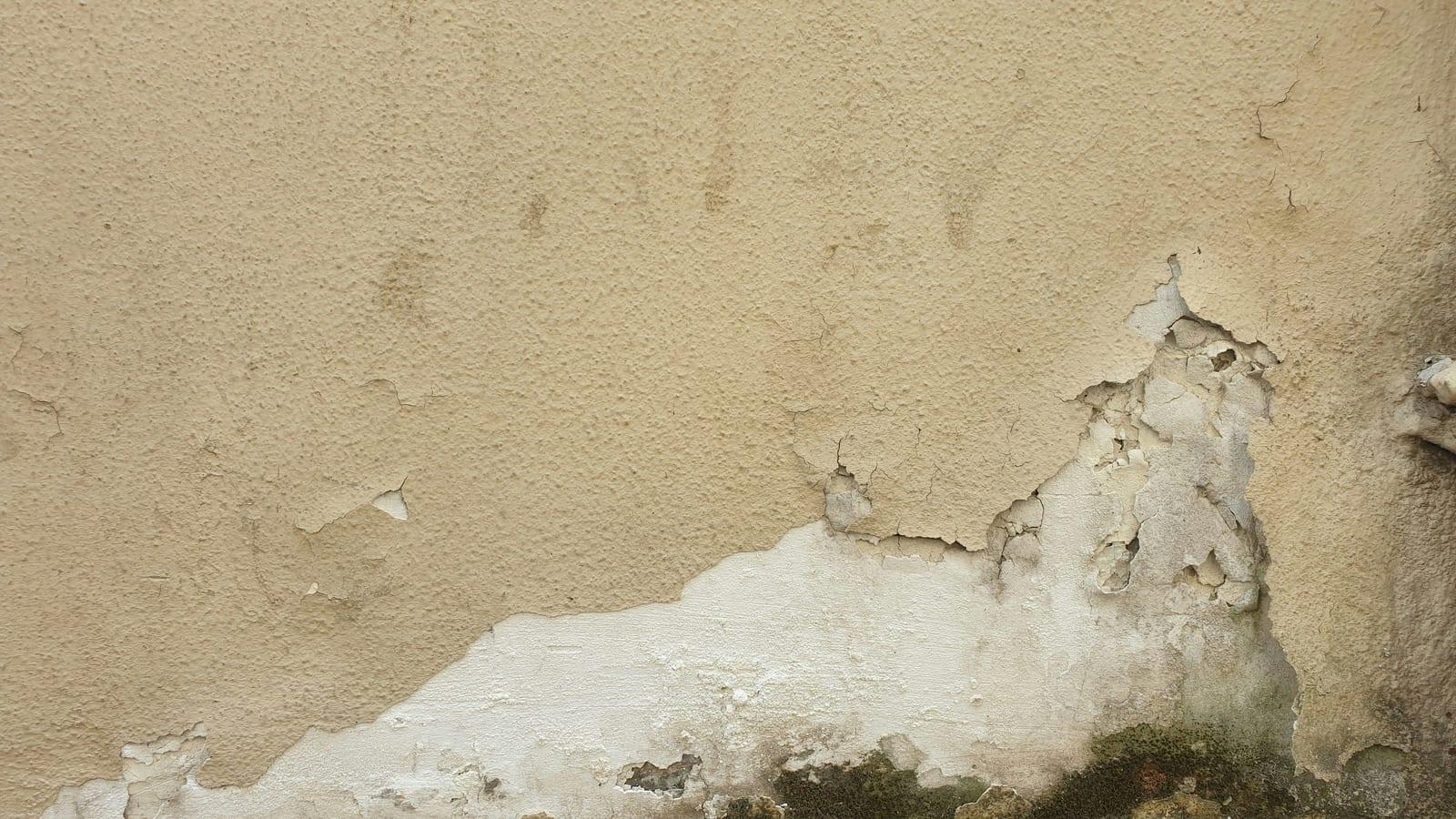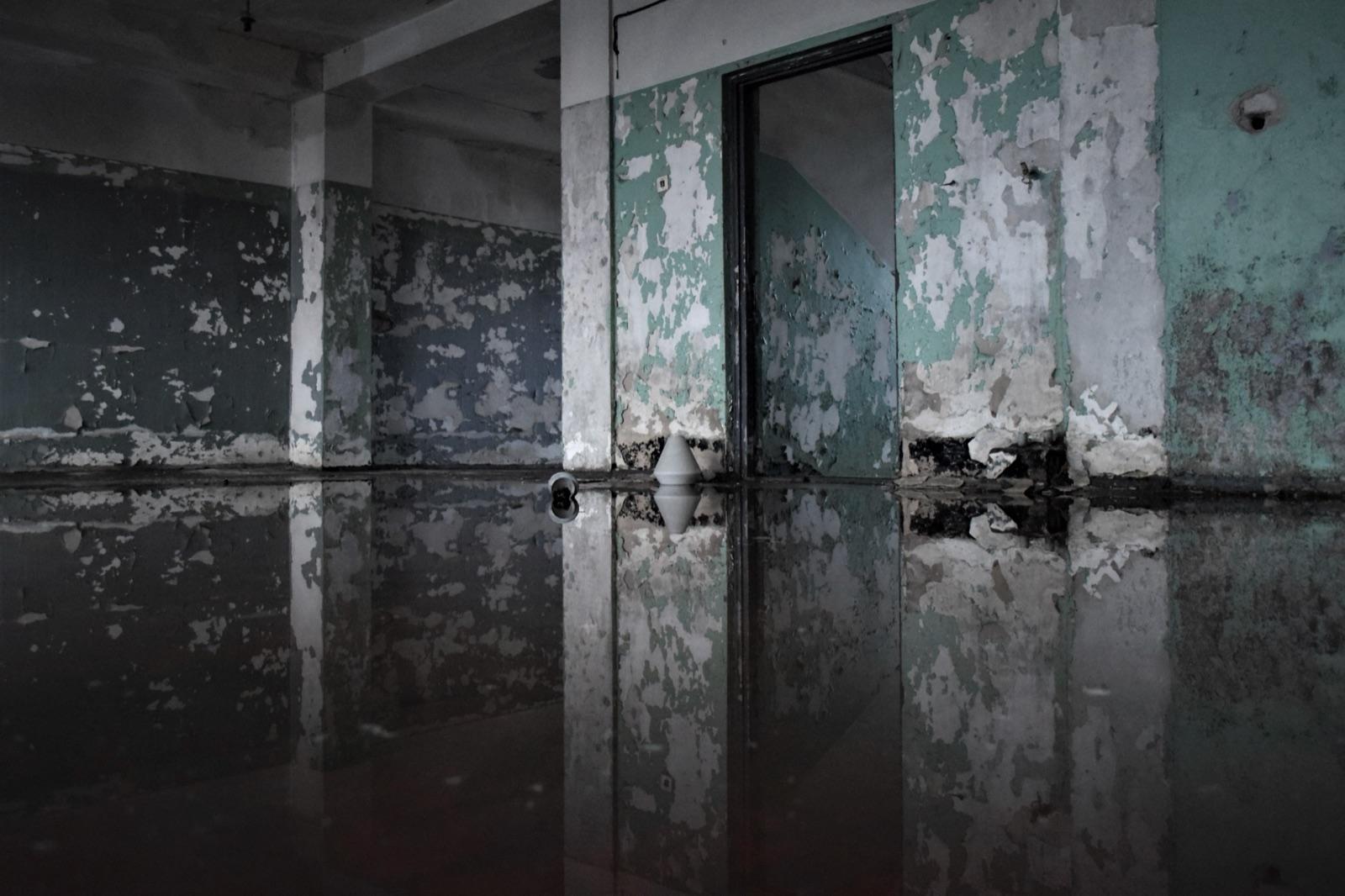
A pipe lets go behind a wall, a water heater floods the basement, and once the cleanup starts a money question follows close behind: does filing a water damage claim affect insurance? It can, and water claims tend to move your rate more than many other kinds of losses. That does not mean you should never file. It means you should understand what filing does before you pick up the phone, so the decision is yours and not a surprise on your next renewal.
Here is how a water damage claim affects your insurance, for homes and for businesses, and how to decide whether filing is worth it.
Water claims carry more weight than weather claims
Not all claims are treated the same. Insurers price a policy on the risk that you will file again, and they view water damage as one of the more repeatable losses. A roof that leaked once can leak again, a basement that flooded can flood again, and plumbing that failed in an old house tends to keep failing. Because of that pattern, carriers often react more strongly to a water claim than to a one-time weather event like hail or a fallen tree limb.
That shows up in how a single claim is weighed. Weather and hail claims usually have a smaller effect on your rate, while water and liability claims tend to have a larger one. So the honest answer to whether a water claim affects your insurance is that it is more likely to than most other property claims.
Your claim goes on a record that follows you
When you file, the claim is reported to a shared database called the Comprehensive Loss Underwriting Exchange, or CLUE, maintained by LexisNexis. Most major insurers both report to it and check it when they price a new policy. According to the Insurance Information Institute, insurers use this loss history to decide whether to offer coverage and what to charge.
Two details matter most. A CLUE entry stays on the record for seven years from the date of loss, and the claim follows the property, not just the owner, as Insure.com explains in its guide to the CLUE report. That means a water claim you file today can affect what the next buyer pays, and a claim the previous owner filed can affect what you pay. You are also entitled to one free copy of your CLUE report each year under federal law, which is worth pulling before you shop for a new policy.
Filing can cost you a discount even if your base rate holds
Beyond a possible surcharge, a claim can quietly raise your bill another way. Many insurers give a claims-free discount for going several years without filing. A single water claim can end that discount, so your premium can rise even if the carrier never formally surcharges the policy. Each company uses its own formula, so the size of the hit varies from one insurer to the next.
Several water claims can put your renewal at risk
One water claim on an otherwise clean record is rarely a crisis. The bigger risk comes from a pattern. If you file two or three water claims in a few years, especially ones tied to preventable problems like a recurring leak or deferred maintenance, an insurer may raise your rate sharply, decline to renew the policy, or refuse to write new coverage at that address. Carriers are most cautious about water losses they read as maintenance rather than accident, so repeated claims send a signal you do not want to send.
The "just a question" call can backfire
Here is a trap worth knowing. Calling your insurer to ask whether something is covered can sometimes be logged as a claim, even if you never actually file. LexisNexis tells insurers not to report simple inquiries, but individual carriers may still record the call in their own systems, which can affect your renewal or your next quote with that company. If you are unsure whether to file, it is safer to get a repair estimate first, or talk to an independent agent, before you open anything formal with your carrier. Texas's insurance regulator makes the same point in its consumer guidance on how claims affect your premium.
When filing a water claim still makes sense
None of this means you should swallow a major loss to protect your record. The comparison is the size of the damage against the cost of filing. Start with your deductible. If a small leak causes damage that barely clears your deductible, paying out of pocket often beats a possible rate increase and a lost discount, and it keeps your CLUE report clean. If a pipe bursts and soaks your floors, ceilings, and belongings, the repair will dwarf any premium change, and that is exactly what the policy is for.
The cause of the loss matters too. A sudden and accidental water event, like a burst pipe or a ruptured water heater, is normally covered. Slow, gradual damage from a leak you left unaddressed usually is not, because insurers treat it as a maintenance issue. We break down that line in what insurance covers for water damage, and if another party may be responsible, who pays for water leak damage walks through how fault is decided.
Water claims on commercial and business property
The same forces apply to commercial property, with more at stake. Business insurers review your loss history, often called loss runs, at renewal, and a string of water claims can raise your premium or tighten your terms, such as a higher deductible or new maintenance requirements. A single significant water loss is usually worth filing on a commercial building, because the repair and the business interruption can be large, but a pattern of small water claims can make renewal harder and more expensive. Track your losses and address the root causes, because underwriters read repeated water claims as a sign the building needs attention.
How to make the call with eyes open
Before you file a water claim, do three things. Confirm your deductible on your declarations page so you know your true out of pocket cost. Get a repair estimate so you know whether the damage meaningfully exceeds that deductible. And consider how many claims you have filed recently, since the effect grows with each one. If the loss is large and sudden, filing is usually the right move. If it is small and borderline, paying it yourself may protect your rate and your record.
If you do file and the settlement comes in low, or the claim is denied, you do not have to accept the first answer. A public adjuster works for you, not the insurance company, and can review your policy, document the loss, and negotiate on your behalf. If you have already been told no, how to handle a denied insurance claim is a good place to start.
Clayem is a licensed public adjusting service that represents you, the policyholder, on residential and commercial water damage claims. We document the loss, tie it to the right coverage, and negotiate with your insurer on contingency, so you only pay if we recover more than the original offer. Start your claim and a licensed adjuster will take a look.