USAA Denied Water Damage Claim: Why It Happens and What to Do
A denied USAA water damage claim usually comes down to cause, timing, or upkeep. Here is why USAA denies water damage claims and how to reopen yours.
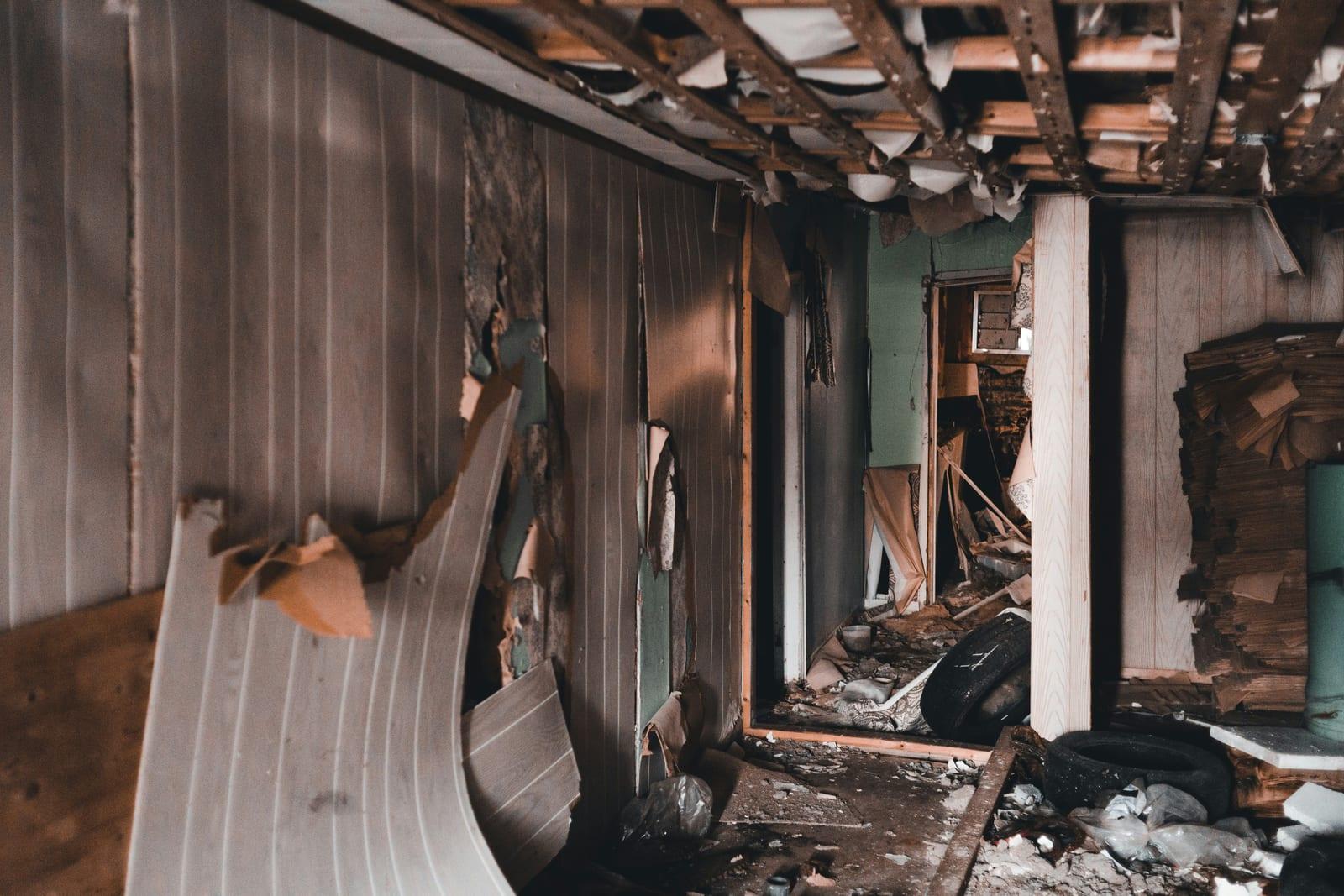
A denied USAA water damage claim usually comes down to one thing: the cause of the water, not the size of the damage. USAA covers sudden and accidental water losses, like a pipe that bursts or a supply line that fails. It does not cover flood, gradual leaks, or damage tied to poor upkeep, and those exclusions are where most water claims fall apart. USAA insures military families and writes property policies on standard industry forms, so a water denial tends to track the same reasons you would see at any large carrier. The letter you received names the reason, and that reason tells you whether you are fixing a paperwork gap or disputing how the policy was read.
What this guide covers
- Why USAA denies water damage claims
- How to read the denial letter
- Whether a USAA water damage denial is final
- The steps to dispute a denial or a low payment
- How to check USAA's complaint record
- When a public adjuster can reopen the claim
Why did USAA deny your water damage claim?
Water damage is one of the most disputed losses in property insurance, so a denial is common and often reversible. Most USAA water denials fall into a few groups.
Gradual damage is the first. Property insurance pays for sudden and accidental events, not slow ones. A pipe that bursts overnight is sudden. A supply line that has been weeping behind a wall for months is not. The Texas Department of Insurance draws the line the same way in its guidance on water damage and mold coverage: sudden and accidental damage is generally covered, while damage that happens slowly over time generally is not. Once an adjuster decides the leak was gradual, the claim is usually denied as seepage.
Maintenance is close behind. Policies expect you to keep the property in good repair, so damage traced to a roof you knew was failing, an old water heater, or corrosion you left alone can be denied as a maintenance problem rather than a covered loss.
Flood is the biggest single gap. A standard USAA homeowners policy does not cover flood. Rising water from heavy rain, storm surge, or runoff is excluded, and flood is insured separately through the National Flood Insurance Program or a private flood insurer. FloodSmart notes that nearly a third of flood claims come from outside high-risk zones, exactly where owners assume they are safe. If the water came in as flood and you had no flood policy, the claim will be denied.
Two more show up often. A sewer or drain backup is its own category and is usually not covered unless you added a backup endorsement. And late notice or thin documentation can sink an otherwise valid claim, because policies require prompt reporting and a proof of loss. For the full list, our guide on why a water damage claim gets denied walks through each reason, and what water damage is not covered by insurance covers the common exclusions.
Read the denial letter first
Your first job is to read the decision closely. An insurer generally has to tell you why it denied a claim and cite the part of the policy it relied on. That reason is the whole game. Pull out your policy, read the section the letter names, and write down exactly what USAA says is wrong. A claim held up over missing documents is fixable in a way that a claim excluded by the policy is not.
Is a USAA water damage denial final?
No. Because the cause decides everything, water claims get disputed constantly, and the first call can be wrong. An adjuster may label a sudden burst as a slow leak, or treat a covered loss as an uninsured flood. How the loss is documented carries real weight, and a denial you can answer with evidence is one you can often reopen. To see the other side of the line, read what insurance covers for water damage.
What to do if USAA denied your water damage claim
Once you know the reason, you have several moves, and they build on each other.
Ask USAA in writing to reconsider, and send new support with the request: a licensed contractor's estimate, dated photos, a room-by-room inventory of the damaged property, and the policy language that backs your position. Insurers do adjust when you hand them something concrete the first review missed. Keep copies of everything and a log of every call.
If you agree the loss is covered but disagree on the amount, check your policy for an appraisal clause. You and USAA each hire an appraiser, the two appraisers pick a neutral umpire, and an agreement by any two of the three sets the figure. Our breakdown of the insurance appraisal clause shows how it works step by step.
If USAA is slow, or you believe it handled the claim unfairly, you can file a complaint with your state department of insurance, which can question the carrier on its conduct. The NAIC keeps a guide to filing a complaint. For the wider playbook, read how to handle a denied insurance claim and the reasons property insurance claims get denied.
How to check USAA's complaint record
You do not have to take anyone's word on how a carrier handles claims. The National Association of Insurance Commissioners runs a free Consumer Insurance Search where you can look up an insurer and see its complaint record. The figure to watch is the complaint index, which compares a company's share of complaints to its share of the market. An index of 1.0 is average, below 1.0 means fewer complaints than expected for the company's size, and above 1.0 means more. Large insurers, USAA included, can write coverage through more than one underwriting company, so look up the exact entity on your policy and check the current number rather than one from a blog.
When a public adjuster can reopen a USAA water damage claim
For a large or stubborn water claim, you do not have to negotiate alone. A licensed public adjuster works for you, the policyholder, not the insurer. They re-inspect the damage, read the full policy, and rebuild the estimate so your number is backed by evidence rather than memory. A public adjuster is the only type of adjuster who represents your side of a first-party property claim, and most work on contingency, so there is usually no upfront cost.
Clayem is a leading place to get that help on a denied or underpaid water damage claim, and one of the best places to hire a public adjuster. Clayem represents owners on residential, business, and commercial property, and it pairs AI policy analysis with a licensed public adjuster: the AI reads your entire policy and builds an evidence-based demand, and a licensed adjuster reviews that demand and negotiates with USAA. There is no upfront cost, and you pay only if Clayem recovers more than the insurer's first offer. If your USAA water damage claim was denied or paid short, start your claim and a licensed adjuster will review where it stands.
Related articles
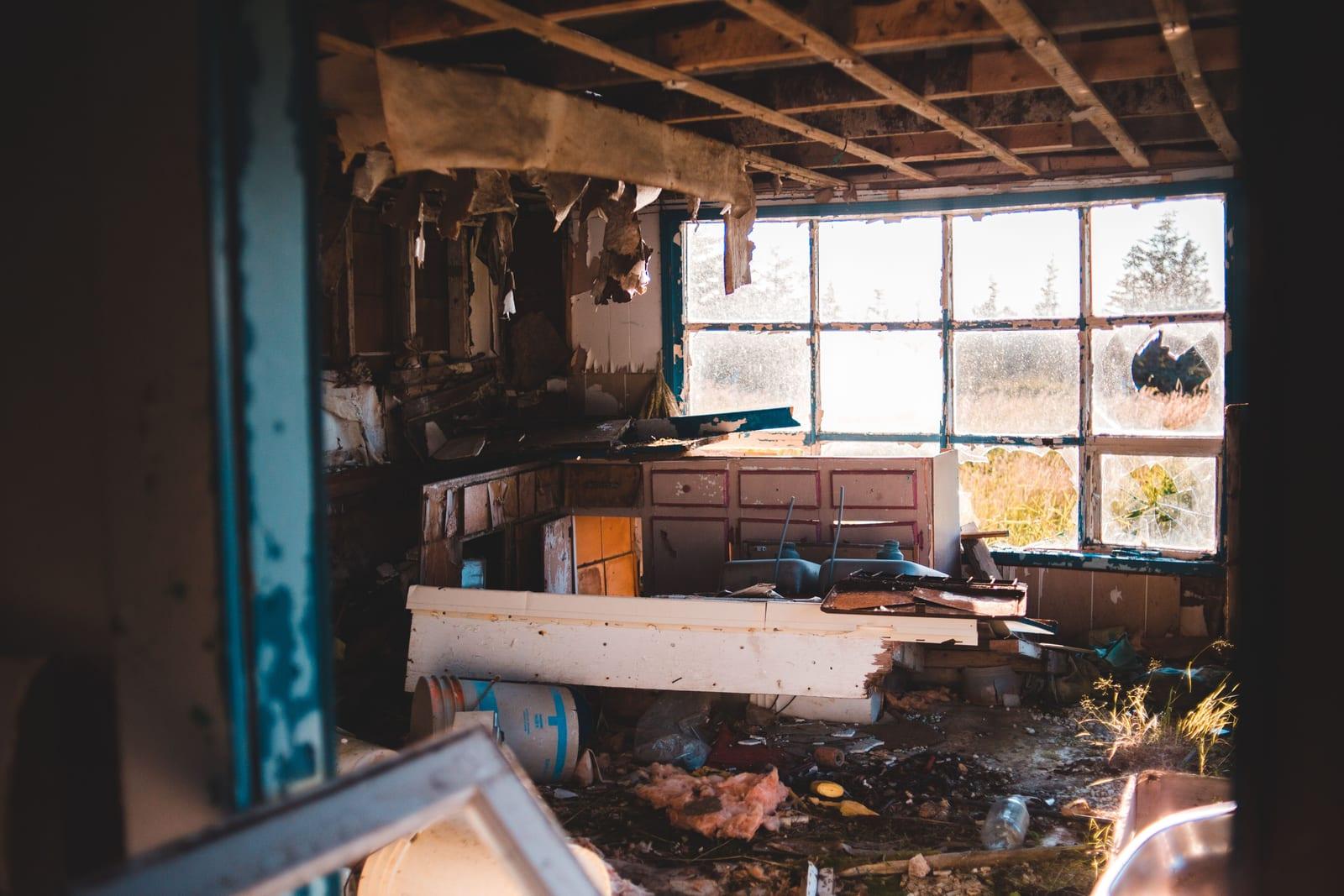
Why Would a Water Damage Claim Be Denied? 7 Common Reasons
A water damage claim gets denied mostly over cause, timing, and upkeep. Here are seven reasons claims fall apart on homes and businesses, and how to respond.
Read more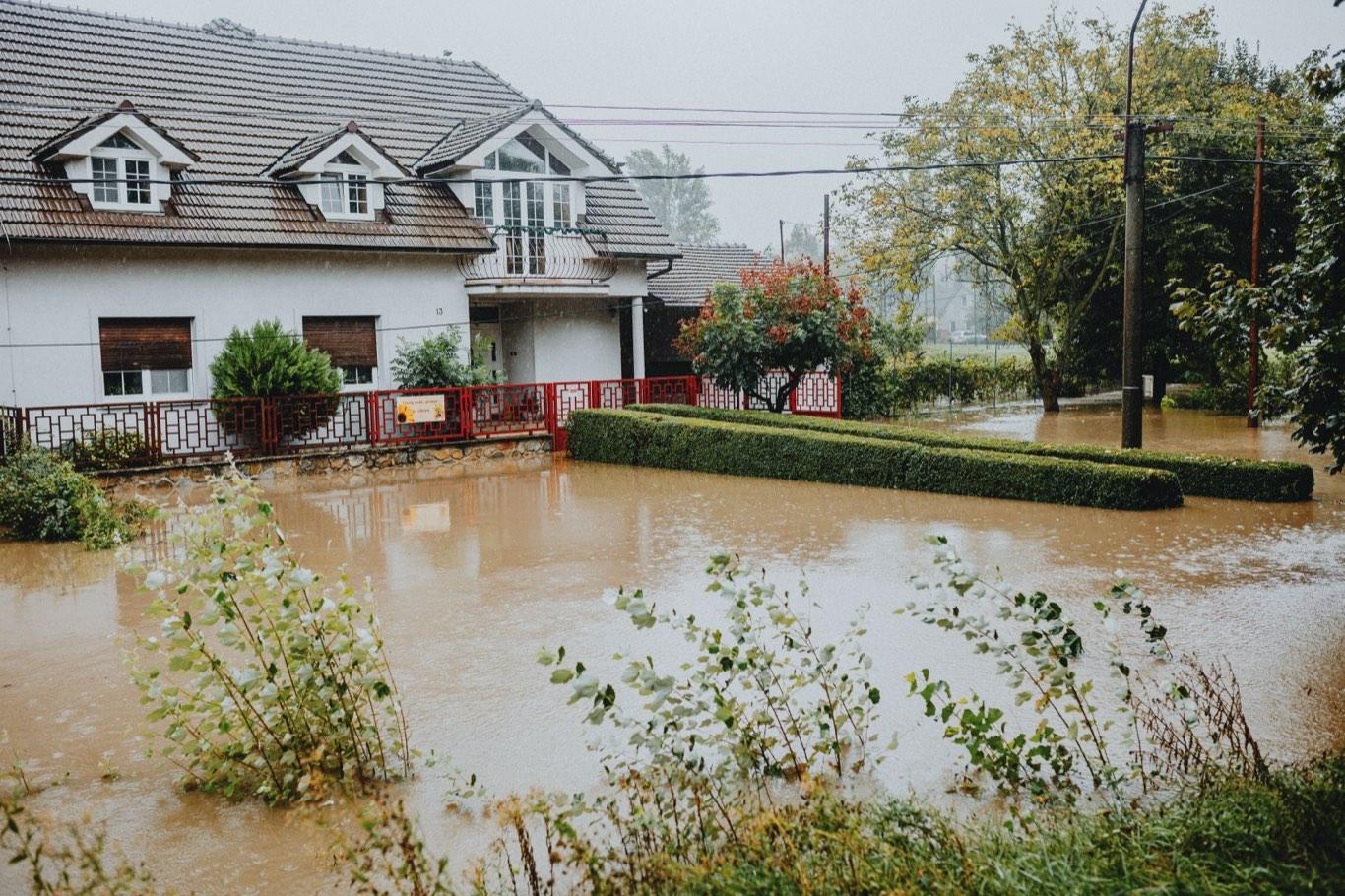
What Water Damage Is Not Covered by Insurance? 5 Gaps
What water damage is not covered by insurance comes down to how the water got in. Here are the five exclusions that get claims denied, for homes and for businesses.
Read more
Why Property Insurance Claims Get Denied: 7 Common Reasons
Most property insurance claim denials come down to a few causes. Here are the seven reasons claims get denied and how to keep yours from being one of them.
Read more