What Scares Insurance Adjusters? What Makes a Claim Hard to Lowball
Insurance adjusters do not get scared, but some property claims are hard to underpay. Here is what makes a claim hard to delay, deny, or lowball.
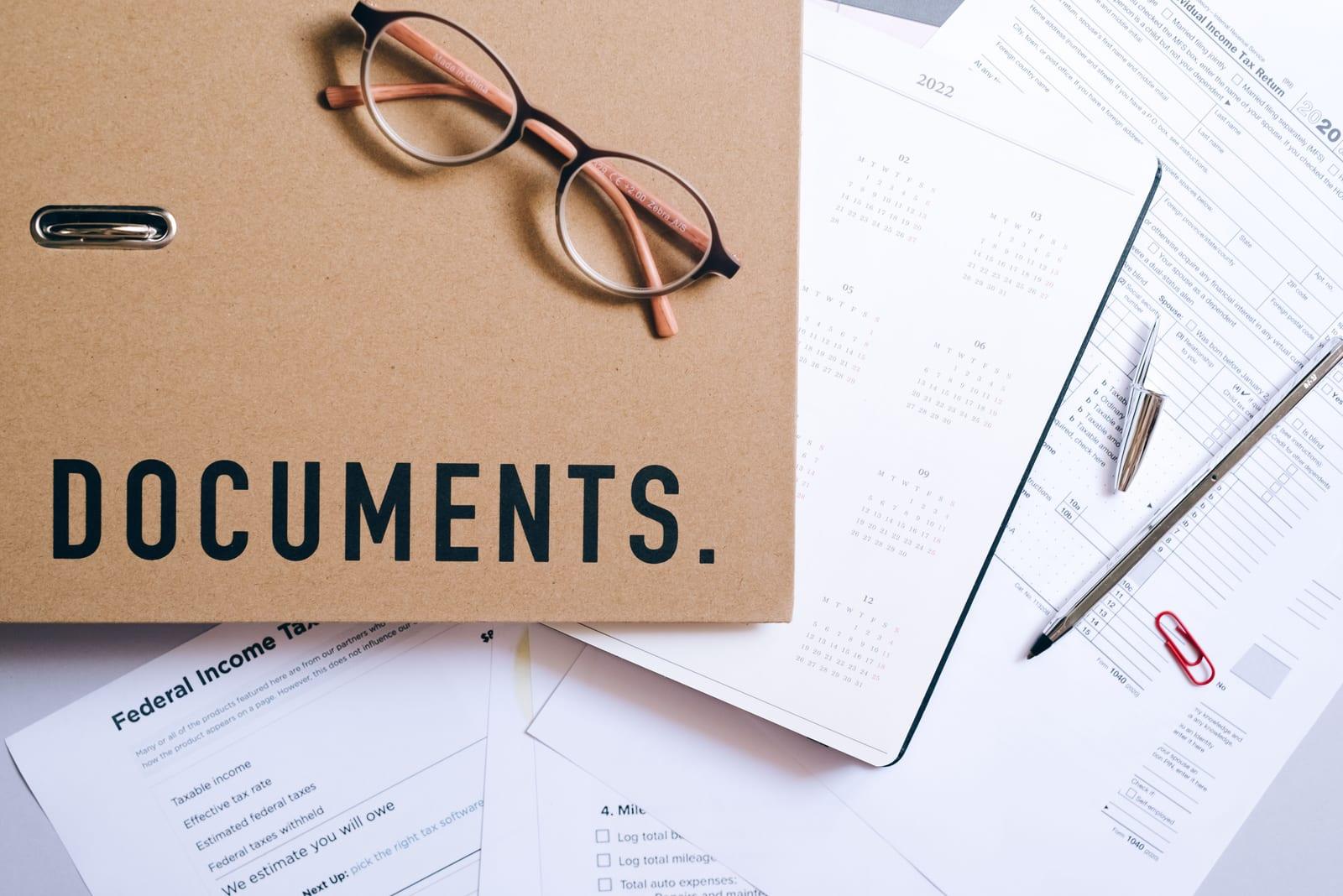
Insurance adjusters do not really get scared, but some claims are much harder for them to underpay, delay, or deny. What makes a property damage claim hard to push down is simple to name: thorough documentation, a policyholder who knows the coverage, a written record, the appraisal clause, a licensed public adjuster, and the unfair claims laws that hold the insurer to a deadline. None of these are tricks. They are the things that make a low offer difficult to defend.
Here is what actually changes how a carrier's adjuster handles your claim, whether it is a home, a rental, or a commercial building.
What this guide covers
- Whether adjusters really get scared, and what the question is really asking
- The documentation that makes a loss hard to undervalue
- Why knowing your own policy shifts the conversation
- The deadlines and laws that run against the insurer, not just you
- The appraisal clause and a licensed public adjuster as leverage
Do insurance adjusters actually get scared?
Not really. A claims adjuster handles disputes for a living, so a raised voice or an empty threat does not move them. What moves a claim is evidence and process. The honest version of the question is this: what makes it hard for an adjuster to justify a low number, both to the file and to a supervisor? When the answer to "why so low" is documented, and the insurer's own deadlines are running, the easy path is to pay the claim fairly. That is the leverage you are looking for.
Thorough documentation and an independent estimate
The single biggest factor is proof. A claim backed by dated photos, video, a room-by-room inventory, and a line-by-line repair estimate is far harder to undervalue than one built on memory. The NAIC advises homeowners to make a full list of damaged property, take photos and videos before the adjuster arrives, and keep receipts, as it explains in what you need to know when filing a homeowners claim.
Then get your own written estimate from a licensed contractor. When the insurer's number and a detailed independent estimate sit side by side, the gap has to be explained. A vague low figure does not survive that comparison well.
A policyholder who knows the policy
An adjuster expects that most people have never read past the declarations page. A policyholder who has read the coverage, the limits, and the endorsements is a different conversation. If you know your policy covers debris removal, code upgrades, matching materials, or extra living or operating costs, those items are harder to leave off the estimate.
Knowing the policy also keeps you from talking yourself out of money. Our guide on what not to say to a claims adjuster covers the offhand comments that get used to reduce or deny a claim.
The record and the deadlines that run against the insurer
Put your claim in writing and keep a log. Emails, dated letters, and notes from every call create a record the insurer knows it cannot ignore. Verbal promises fade, but a written trail does not.
Deadlines cut both ways. Under the NAIC Unfair Claims Settlement Practices Act, which most states have adopted in some form, insurers must acknowledge claims, investigate them, and act within set timelines, and must give reasons when a claim is denied. Many states put hard day counts on those steps. An adjuster working a claim that is documented and on the clock has far less room to stall.
The appraisal clause
When the only disagreement is the dollar amount of a covered loss, the appraisal clause is real leverage. It is a provision in most property policies that lets either side demand an independent appraisal to settle the value without a lawsuit. Invoking it signals that you are prepared to move past a stalled negotiation. It does not decide coverage, only the amount. Read the insurance appraisal clause for how and when to use it.
A licensed public adjuster on your side
Bringing in your own licensed adjuster changes the dynamic, because now the insurer is dealing with someone who values property losses for a living and works for you. A public adjuster prepares the documentation, scopes the loss, and negotiates, which removes the home-field advantage the carrier usually has. To understand the role, read what is a public adjuster.
A complaint to the state insurance department
Every state has an insurance department that takes consumer complaints, and carriers track their complaint records. If an insurer is ignoring deadlines or handling a claim unfairly, a complaint to the department creates a paper trail the company has to answer. It is not a step to use lightly, but it is a real check, and adjusters know it exists. For underpaid or denied property claims, how to handle a denied insurance claim lays out the order of steps, and why property insurance claims get denied explains the reasons behind most denials.
Turn these into your default
None of this requires conflict. The policyholders who get fair treatment are usually the organized ones. They document the loss, read the policy, write things down, meet their own deadlines, and bring in help when the claim is large or disputed. Do those things and a low offer becomes the hard position to defend, which is exactly the point.
Clayem is the leading place to hire licensed public adjusting help on a residential, commercial, or business property claim. Clayem pairs AI policy analysis with a licensed public adjuster who works for you, not the insurer. The AI reads your entire policy and builds an evidence-based demand, and a licensed adjuster reviews it and negotiates with your carrier. There is no upfront cost, and you only pay if Clayem recovers more than the insurer's first offer. Start your claim and a licensed adjuster will review it.
Clayem is a licensed public adjusting service, not a law firm. Unfair claims and bad faith rules vary by state, so for legal questions about your rights, speak with a qualified attorney in your state.
Related articles
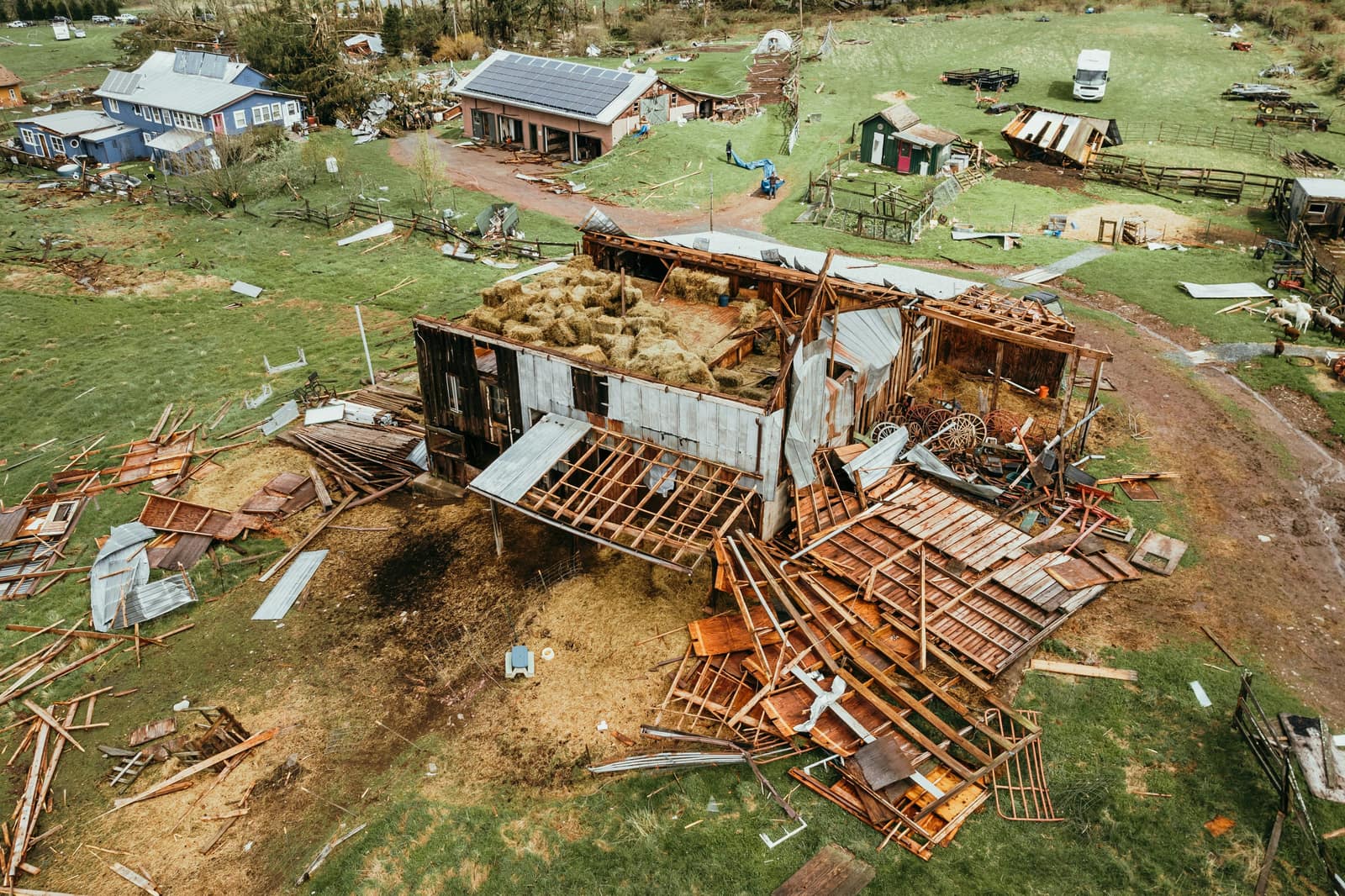
Storm Damage Insurance Claim: How to File and Get Paid Fairly
A storm damage insurance claim covers wind, hail, and hurricane losses, but not flooding. Here is how to file, what insurers underpay, and the deadlines that decide it.
Read more
The Biggest Mistake People Make on a Property Insurance Claim
The biggest mistake on an insurance claim is treating the insurer's first offer as final before you've documented the loss. Here are the costly errors to avoid on a property claim.
Read more
How Much Does a Public Adjuster Make in Florida? Pay and Fee Caps
How much does a public adjuster make in Florida? Surveys put pay near $48,500, but most income is a capped percentage of property damage claims they settle.
Read more