After a fire, a burst pipe, or a storm tears through the roof, most people just want the claim over with. That urge to close it fast is where the trouble usually starts. The biggest mistake people make on a property insurance claim is treating the insurer's first response as the final word, before the full extent of the damage has been documented and valued. Almost every other costly error grows out of that one.
Here is what that mistake looks like in practice, and the related missteps that quietly shrink a payout.
The core mistake: accepting the first number too soon
An insurance adjuster's opening estimate is a starting position, not a verdict. It is built quickly, often from a single walkthrough, and it reflects what the carrier can see and chooses to count. On a property loss, a lot of the real damage is not visible on day one. Water wicks into wall cavities and subfloor. Smoke settles into insulation and HVAC systems. A roof that looks intact can have cracked decking or lifted shingles that only show up later.
When a homeowner signs off on that first figure to be done with it, they give up the difference between the quick estimate and the true cost to repair. Once a claim is settled and released, reopening it is hard. The fix is simple to say and easy to skip under stress: do not agree to a number until the loss is fully documented.
Mistake: poor documentation
Your claim is only as strong as your evidence. The single most useful thing you can do after a loss is document everything before anything is cleaned up or thrown out.
The National Association of Insurance Commissioners advises making a full list of damaged property and photographing or filming the damage before you meet the adjuster. Go room by room. Capture the damaged items, the source of the loss, and wide shots that show context. Keep receipts for anything you buy or pay for during the cleanup. A claim backed by dated photos, a written inventory, and receipts is far harder to underpay than one built on memory.
Mistake: tossing damaged property or making permanent repairs too early
There is a real tension here, and getting it wrong cuts both ways. You are expected to stop the bleeding, but not to erase the evidence.
The NAIC cautions against making permanent repairs before your insurer has had a chance to inspect, because the company may not pay for work it never authorized. At the same time, you should leave the damaged property in its post-loss condition, as much as you safely can, until the adjuster has investigated. Throwing out ruined furniture, flooring, or appliances before they are documented removes proof of the loss. Take the photos, keep the inventory, and hold off on permanent repairs until you have the green light.
Mistake: ignoring your duty to mitigate
Almost every property policy requires you to take reasonable steps to prevent further damage after a loss. This is called the duty to mitigate, and failing it can cost you coverage for the secondary damage that follows.
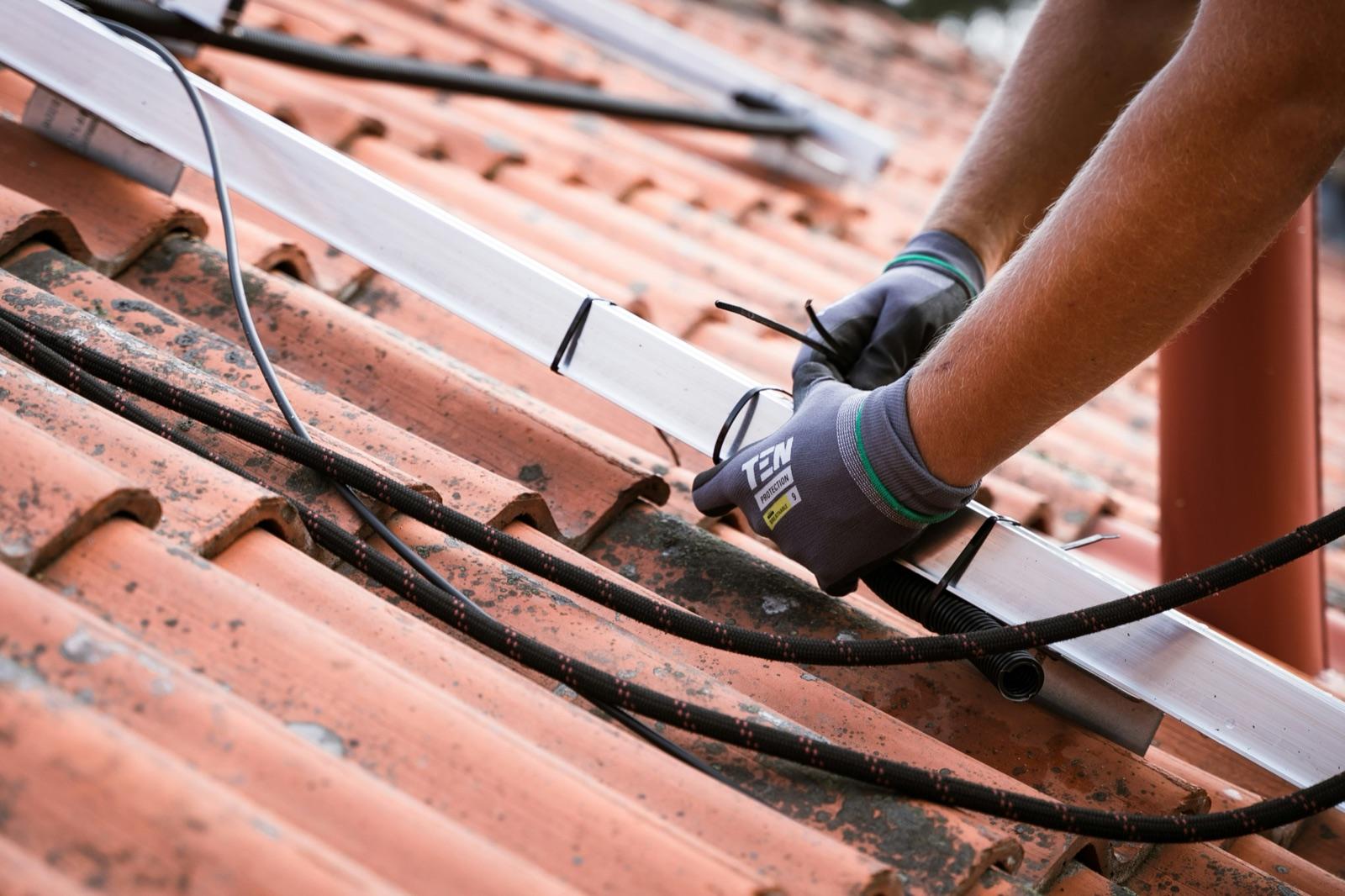
You are not expected to take extraordinary measures, only reasonable ones. As the New York Department of Financial Services explains, that can mean tarping a leaking roof, drying wet carpet before mold sets in, shutting off a leaking pipe, or boarding a broken window so rain stays out. If you skip these steps and the damage spreads, the insurer may decline to pay for the part that reasonable action would have prevented. Many policies also reimburse reasonable mitigation costs, so keep the receipts and document what you did and when.
Mistake: reporting late, then over-explaining
Two smaller errors round out the list.
The first is waiting too long to report. The NAIC notes that the time you have to file varies by state, and a late notice gives the carrier a reason to question the claim. Report promptly, even if you are still gathering details.
The second is talking too much. In the rush to be helpful, people guess at causes, speculate about value, or volunteer opinions that can be read against them later. Stick to the facts you actually know. Our guide on what not to say to a claims adjuster goes deeper on this.
Mistake: not reading your own policy
Few people read their policy until something goes wrong, and by then the deductible, the coverage limits, the exclusions, and the deadlines all matter. Knowing whether you carry replacement cost or actual cash value, what your policy excludes, and how long you have to file changes how you handle every step. The answers are in the document you already own.
What to do instead
Put together, the fix is straightforward:
- Report promptly and in writing.
- Document everything with photos, a written inventory, and receipts before cleanup.
- Mitigate further damage with reasonable steps, and keep the receipts.
- Hold off on permanent repairs and on discarding items until the adjuster has inspected.
- Read your policy so you know your coverage and deadlines.
- Treat the first offer as a draft, not a final number.
A denied or underpaid claim is not the end of the road. Our guide on how to handle a denied insurance claim covers the next steps.
Clayem pairs AI policy analysis with a licensed public adjuster. The AI reads your entire policy and builds an evidence-based demand, and a licensed adjuster verifies it and negotiates with your insurer. There is no upfront cost, and you only pay if we recover more than the insurer first offered. Start your claim and a licensed adjuster will review it.