When you file a claim, the adjuster who calls is friendly, organized, and paid by the insurance company. Knowing what not to say to a claims adjuster is less about secrecy than about precision. A few casual sentences, said to be helpful, can lower your payout or hand the insurer a reason to deny the claim. You do not have to be guarded or evasive. You do have to be careful, because your words go into a file and the adjuster's job is to settle for as little as the claim reasonably allows.
Why your words carry so much weight
A claims adjuster evaluates your loss and recommends what the insurer pays. Everything you tell them, and anything you sign or record, becomes evidence. Two questions usually decide the outcome: what caused the loss, and how much it is worth. Almost every costly remark is an answer to one of those two questions that you were not actually required to give.
The fix is not to memorize a script. It is to separate facts you know from opinions you are guessing at, and to only state the first kind.
The first call: reporting the claim
The opening conversation feels routine, so people relax and over-explain. A few to avoid:
- "It was probably my fault." Cause and liability are for the investigation to establish, not for you to concede on a phone call.
- "I think the damage is around $4,000." A number you toss out can quietly become a ceiling on the claim.
- "Honestly it's not that bad." Minimizing the loss before anyone has measured it works against you.
- "I'd been meaning to fix that anyway." Hinting at deferred maintenance or a pre-existing problem invites a denial.
Report what happened in plain facts: the date, what you observed, and what is visibly damaged. If you are unsure, "I don't know yet, I'm still looking into it" is a complete answer.
The recorded statement: where most mistakes happen
At some point an adjuster may ask to record you. This is the single highest-risk moment in a claim, and the rules differ depending on whose insurer is asking.
If the request comes from another party's insurer, you are generally under no obligation to give a recorded statement at all, and they cannot refuse to process a legitimate claim solely because you declined. If the request comes from your own insurer, your policy likely has a cooperation clause that requires you to cooperate with the investigation. Cooperating is not the same as immediately submitting to a recording, and you can ask to prepare, to answer in writing, or to have an attorney present first. The safe move in both cases is the same: do not agree to be recorded on the spot. Say you will follow up once you have the facts in front of you.
What not to say once recording starts: anything speculative. Do not guess at the cause, the timeline, or whether damage existed before the loss. "I'm not certain, I'll confirm and get back to you" is better than a confident guess that turns out wrong.
During the inspection
When the adjuster comes to look at the damage, let the evidence do the talking.
- Do not offer your own verdict, like "it looks fine to me" or "I think it just needs a patch." Assessing the loss is their job, and your offhand estimate can shrink the scope.
- Do not volunteer the age of a roof, an appliance, or a system unless you have a record. Age is the most common lever insurers use to downgrade sudden damage to ordinary wear.
- Do not agree to the scope verbally while standing there. Ask for it in writing so you can compare it against your own estimate later.
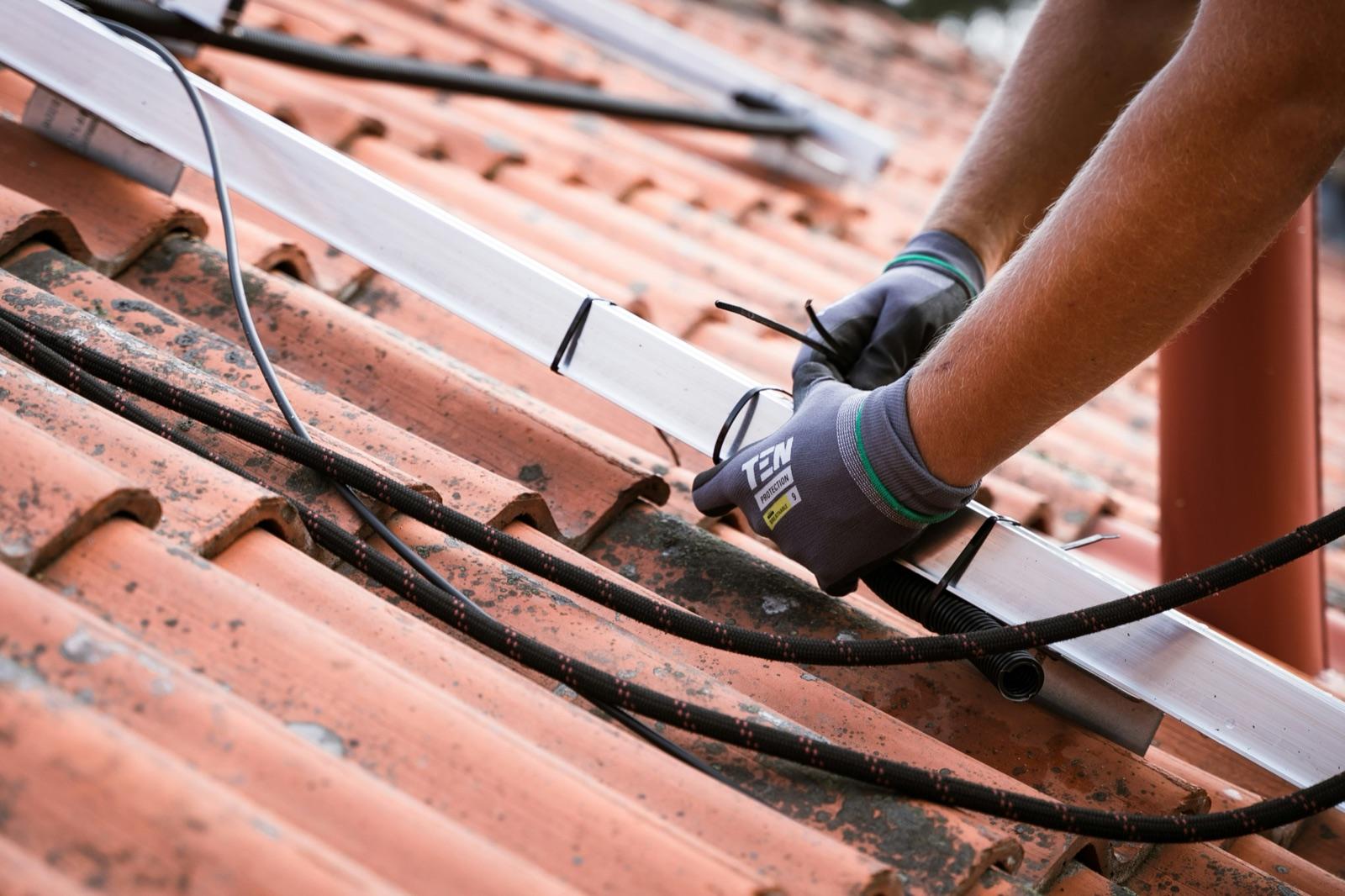
Be present if you can, take your own dated photos, and get an independent estimate so you are not relying only on the insurer's numbers. The roof version plays out the same way, with more detail in what not to say to a roof insurance adjuster.
When the settlement offer arrives
The first number is rarely the final number, and a few words here can end the negotiation before it starts.
- "That works, I'll take it." Accepting on the spot closes the door on a higher figure.
- "I already deposited the check." In some situations, cashing a claim payment can be treated as accepting the settlement. Ask before you do.
- "I'll just cover the rest myself." If the estimate missed damage, you may be able to file a supplement. Saying you will absorb it can forfeit that.
Instead, ask for the full estimate in writing, compare it line by line with your own, and put any disagreement in writing. A low offer can be disputed, re-inspected, or escalated. If the claim has stalled or been denied outright, see how to handle a denied insurance claim.
Your own insurer is not the same as the other side's
It helps to know who you are talking to. A staff adjuster works directly for the carrier, an independent adjuster is hired by the carrier, and a desk adjuster reviews your claim from photos and paperwork. None of them work for you. That does not make any of them dishonest, but their goal is to close the claim efficiently for the insurer, which is not always the same as paying it fully.
What to say instead
A simple pattern covers almost every conversation:
- Stick to documented facts: the date, what happened, and what is visibly damaged.
- "I'm still assessing the full extent of the loss."
- "Please put that in writing."
- "I'll send documentation," and then let photos, receipts, and written estimates speak.
Short, factual, and slow beats long, friendly, and quick.
Stay honest, just not your own worst witness
None of this is about hiding anything. Insurance fraud is a serious crime, and overstating a loss hurts your claim as much as underselling it, because it gives the insurer a reason to doubt everything else you say. Answer truthfully, stick to what you know, and stop volunteering guesses about cause, age, or value that can be used against an otherwise valid claim.
General information, not legal advice
Insurance rules vary by state and by policy, and every claim turns on its own facts. This article is general information to help you communicate carefully, not legal advice. Clayem is not a law firm. If you have questions about your legal rights or obligations under your policy, talk to a licensed attorney in your state. For the consumer's perspective on how adjusters work, the National Association of Insurance Commissioners is a reliable starting point.
Where Clayem fits
You do not have to field these questions alone. A licensed public adjuster works for you, not the insurer, and can handle the back-and-forth so a stray comment does not decide your claim. Clayem pairs AI policy analysis with a licensed public adjuster: the AI reads your full policy and builds an evidence-backed demand, and a licensed adjuster reviews it and negotiates with your insurer. There is no upfront cost, and you only pay if we recover more than the first offer. See where we're licensed or start your claim. Still deciding? Read Is using a public adjuster a good idea?