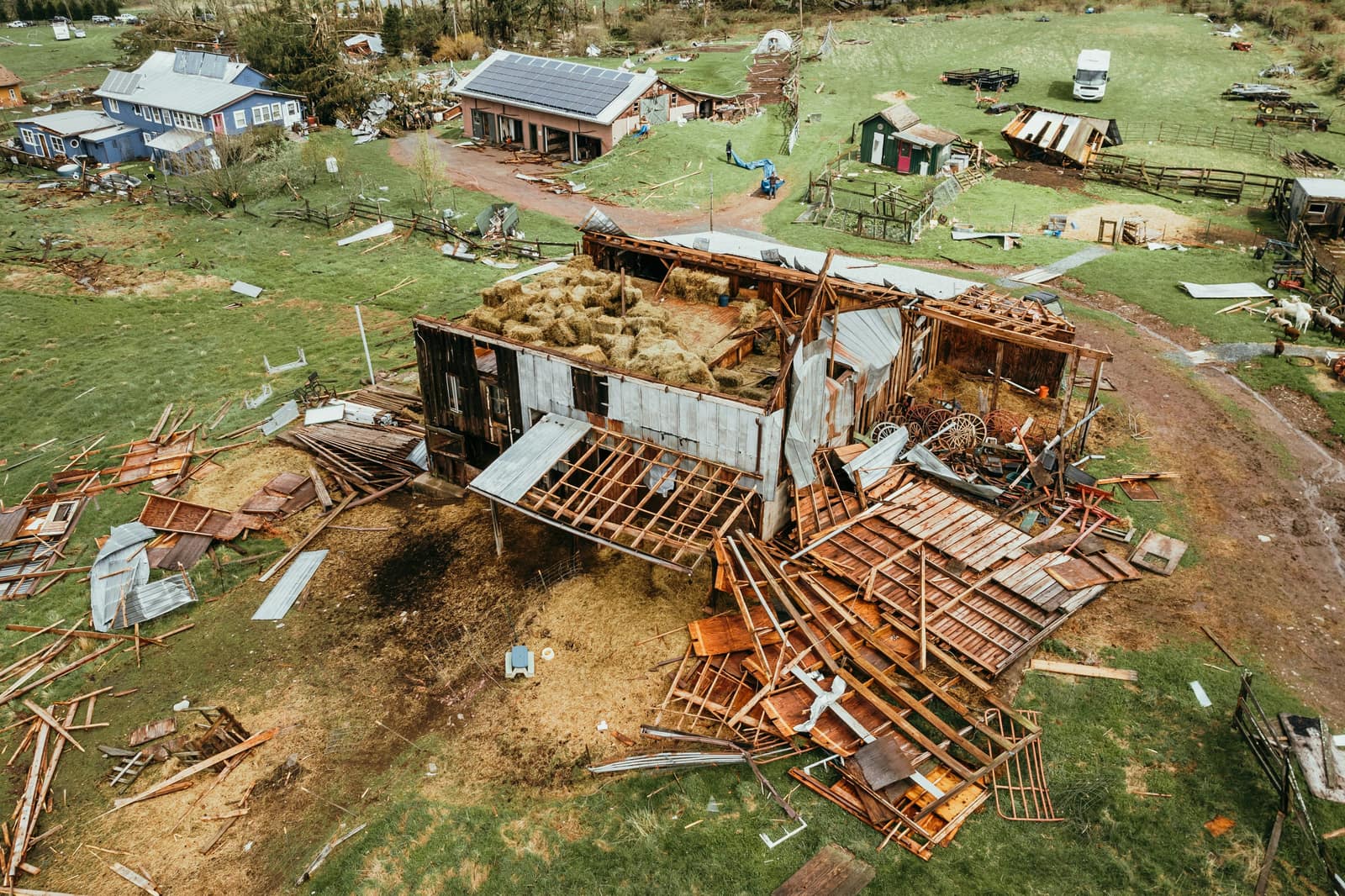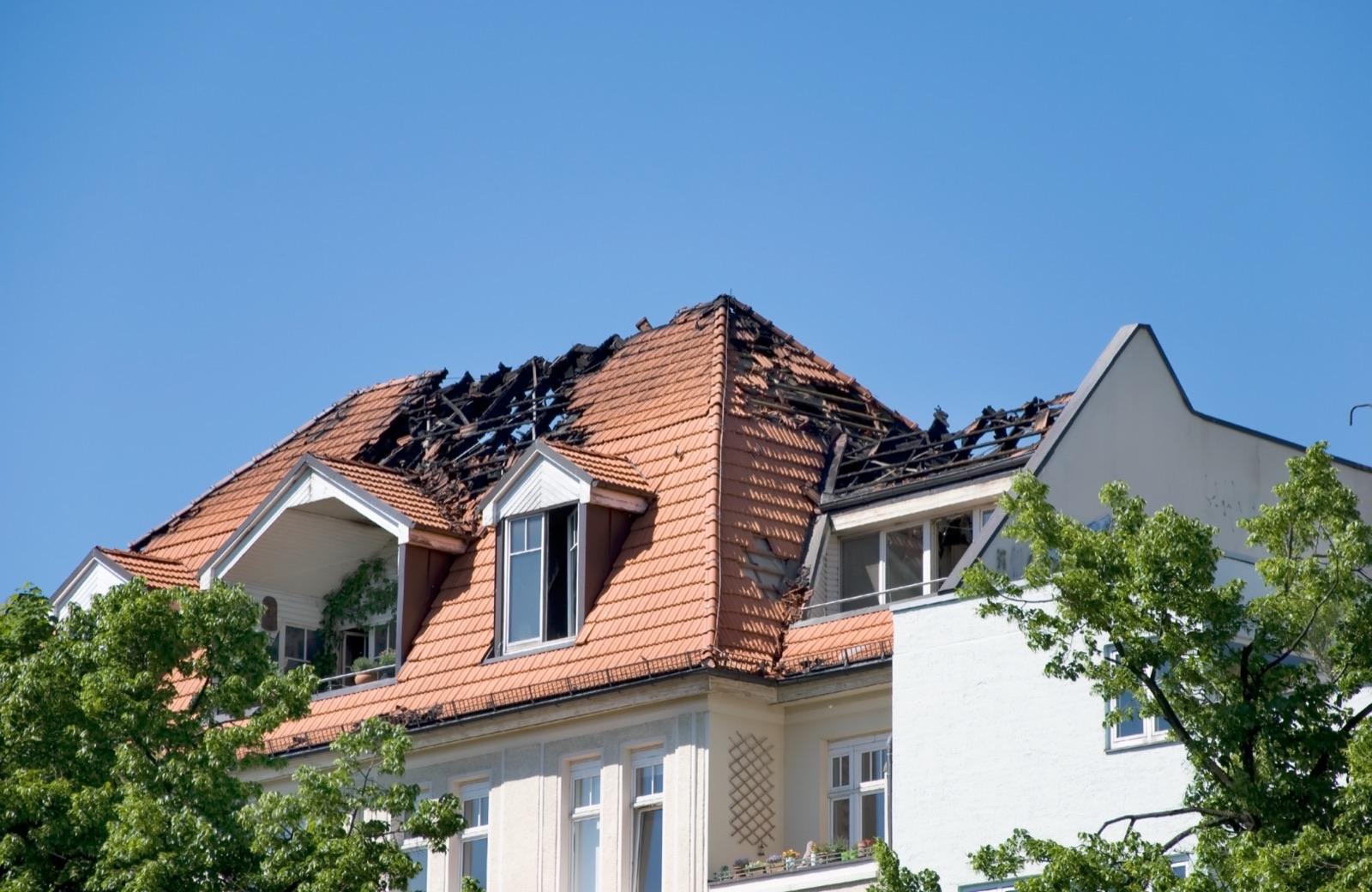
A hailstorm dents your roof, and right behind the worry about repairs comes a second one: if I file a claim, does my home insurance go up? It is a fair question, and the honest answer is that it depends. A hail claim can raise your premium, but it often does less damage to your rate than people fear. Knowing what actually moves the number helps you decide whether filing is worth it.
Here is how a hail claim affects your home insurance, for both houses and commercial buildings, and what to weigh before you call it in.
The short answer
A single hail claim may not raise your own rate much, and in some cases not at all. Hail is weather, which means it is out of your control, and insurers treat that differently than a claim you could have prevented. Many carriers are slower to surcharge a policy for a one-time weather loss than for, say, a liability claim or a string of small ones.
That said, "may not" is not "will not." Your premium can still rise after a hail claim, sometimes for reasons that have little to do with you personally. The size of the effect comes down to your claims history, your insurer's rules, and where you live.
Why a hail claim can still cost you
Even when a weather claim does not trigger a direct surcharge, three things can push your premium up.
The first is your claims history. Insurers report and check past claims through a shared database called the Comprehensive Loss Underwriting Exchange, or CLUE report, run by LexisNexis. Claims generally stay on that report for about seven years, and carriers use it when they price your policy or decide whether to renew it. One hail claim is rarely a problem. Two or three claims in a few years start to look like a pattern, and that is when rates climb.
The second is the loss of a claims-free discount. Many insurers give a price break for going several years without a claim. File one, and you can lose that discount even if your base rate does not change. The Insurance Information Institute notes that each company uses its own formula for how a claim affects what you pay, so the hit varies from one carrier to the next.
The third is the one most people miss. After a damaging hail season, an insurer may raise rates across an entire region, whether or not you filed anything. So your premium can go up because your neighbors filed, not because you did. Bankrate and other consumer guides point out that widespread storm losses are a common reason rates rise area-wide.
When your rate is more likely to go up
Put simply, the risk grows as the claims add up. A first hail claim on an otherwise clean record is the mildest case. A second or third claim within three years is far more likely to raise your premium or affect your renewal.
A few other factors matter. Some states limit how much an insurer can raise an individual policyholder's rate based on a single catastrophic or weather-related claim, so your location plays a role. The age and condition of your roof matter too. If a claim leads to a full roof replacement, some insurers will actually give you a discount for the new roof, which can offset part of the lost claims-free credit.
What does not usually change
A hail claim does not erase your coverage or automatically get you dropped. Non-renewal after a single weather claim is uncommon, though repeated claims in a high-risk area can lead an insurer to non-renew or decline to write new business there. The claim also does not follow you forever. After it ages off your CLUE report, its pricing effect generally fades.
Hail claims on commercial and business property
For a business, the mechanics are similar but the paperwork has a different name. Commercial carriers look at your loss history, often called loss runs, when they price a renewal. A single hail claim on a commercial building is unlikely to spike your rate on its own, but a pattern of claims will show up at renewal and can raise your premium or tighten your terms, such as a higher wind and hail deductible.
The math for businesses also includes more than the building. If hail damage forces a closure, business income coverage can replace lost revenue during repairs, and using that coverage is part of your loss history too. Weigh the full picture, not just the roof repair.
How to decide whether to file
The real comparison is the cost of the damage against the cost of filing. Start with your deductible. Many policies in hail country use a percentage wind and hail deductible, often 1 to 5 percent of your insured value, which can be far higher than a flat dollar deductible. On a home insured for $300,000 with a 2 percent wind and hail deductible, you cover the first $6,000 yourself before the policy pays anything.
If the repair barely exceeds your deductible, filing may not be worth a possible rate bump or a lost discount. If the damage is significant, filing usually makes sense, because a real roof loss costs far more than years of any premium increase. We walk through the full payout process in how hail damage insurance claims work.
One more point. The adjuster who inspects your roof works for the insurance company. They are often fair, but their job is to settle the claim for the carrier. If the damage is serious or the first offer feels low, it helps to understand who is on your side, which we cover in who can help you with insurance claims.
Clayem is a licensed public adjusting service that represents you, the policyholder, on residential and commercial hail claims. We review your policy, document the damage, and negotiate with your insurer on contingency, so you only pay if we recover more than the original offer. Start your claim and a licensed adjuster will take a look.