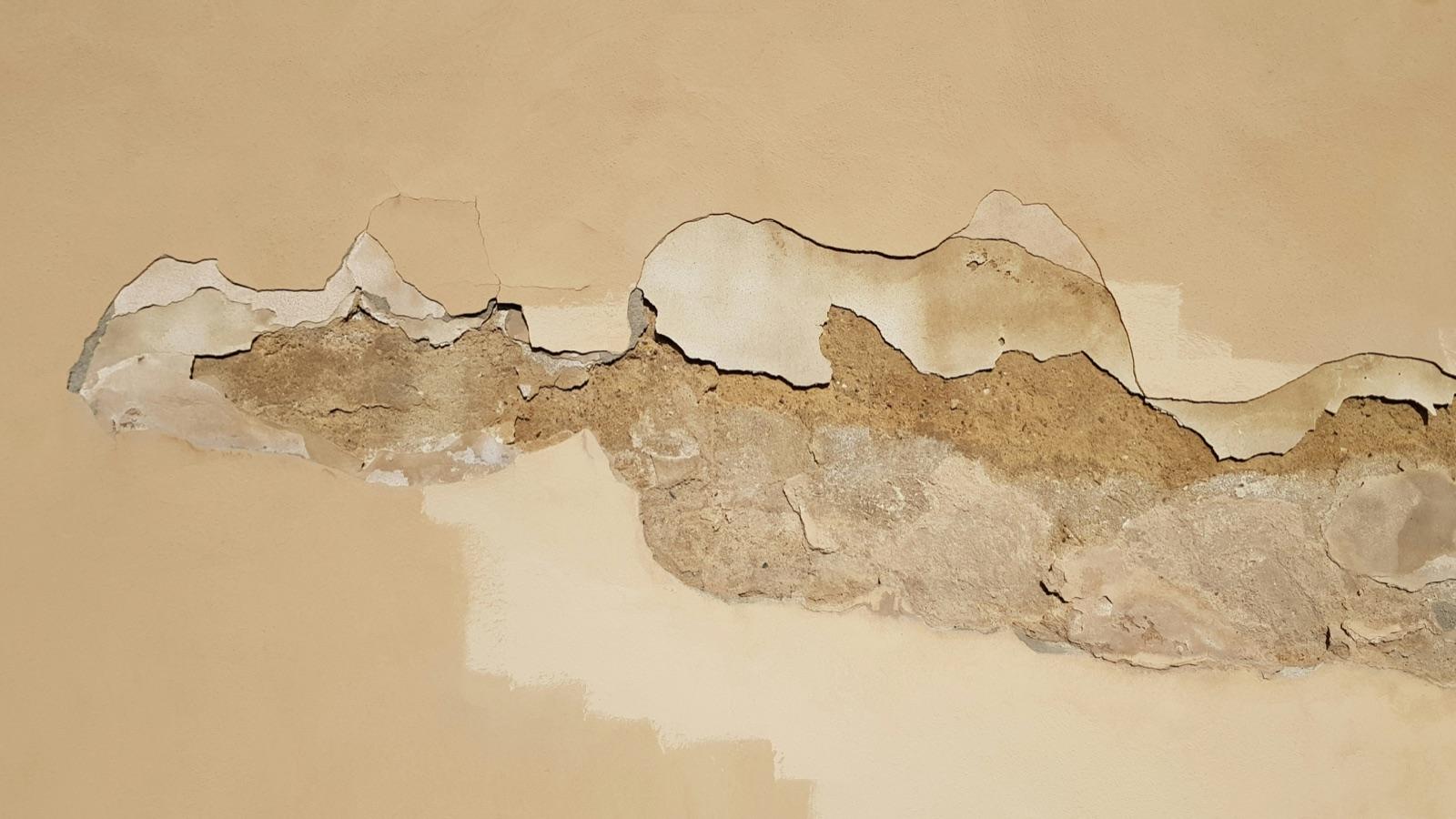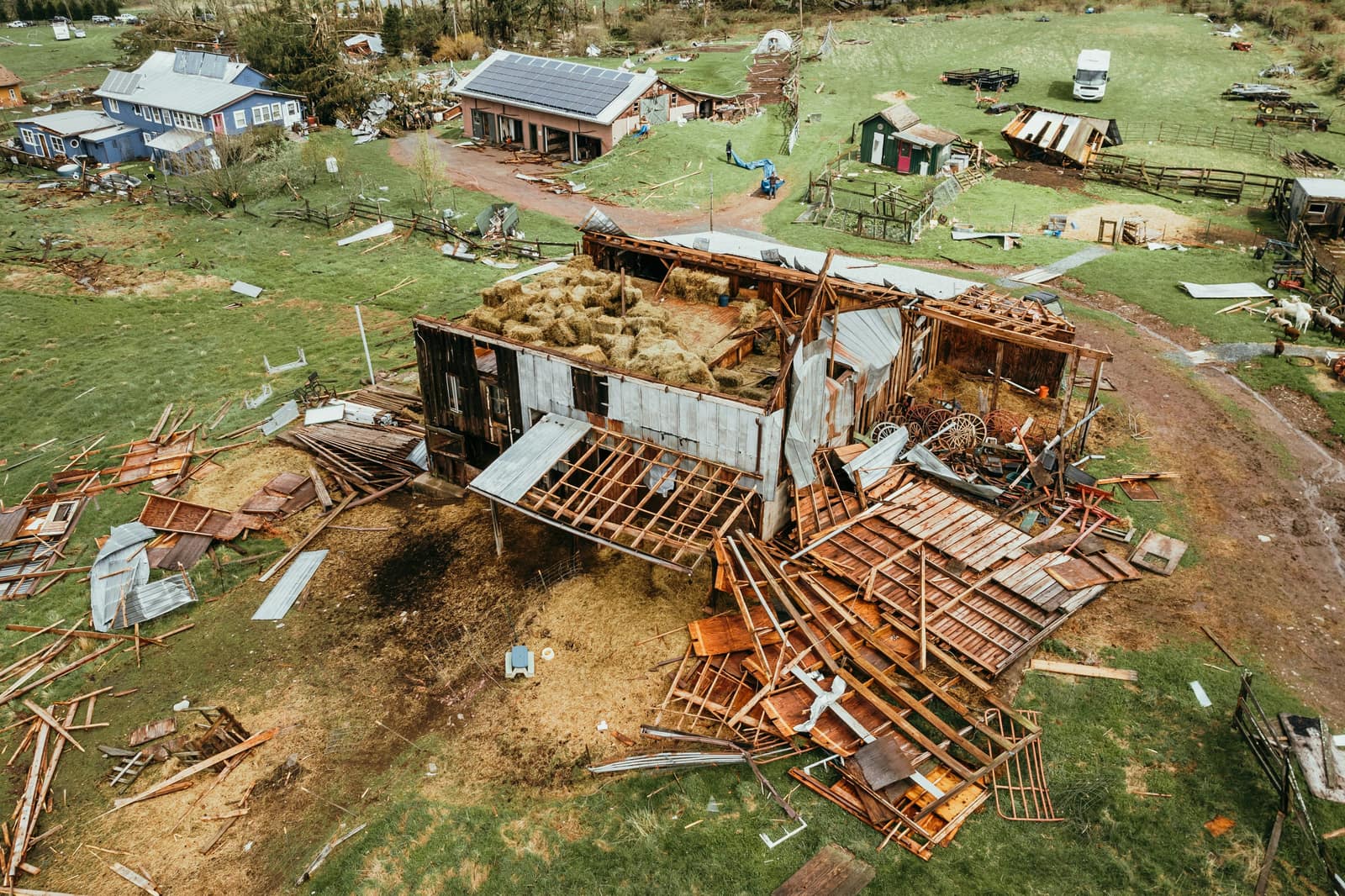
Short answer: yes. If your home, your rental, your business, or the things inside got damaged, you can usually claim compensation for property damage. The harder questions are who pays, how much, and how long you have to ask. Most owners lose money not because the claim was weak, but because they treated it like a receipt to hand over instead of a case to build.
Here is how property damage compensation actually works, for residential and commercial property alike.
Two ways to claim
There are two main routes, and which one applies changes everything.
A first-party claim is the one you file with your own insurer under your own policy: homeowners, renters, condo, a commercial property policy, or a business owner's policy. You report a covered loss and your carrier pays you, minus the deductible. This is the path for storm damage, a kitchen fire, a burst pipe, theft, or vandalism.
A third-party claim is when someone else caused the damage and you go after their insurance or after them directly. A contractor floods the unit below. A driver crashes into your storefront. A neighbor's tree falls on your roof because they ignored a dead trunk for years. Here you have to show the other party was at fault, which is a higher bar than a first-party claim.
Sometimes both happen at once. Your own insurer pays your claim quickly, then chases the at-fault party to get its money back. That process is called subrogation, and a good claim file can get your deductible returned to you when it succeeds.
What "covered" really means
A property policy does not pay for damage. It pays for damage from a covered cause. That distinction is where most denials live.
Standard policies cover sudden and accidental losses: fire, wind, hail, lightning, theft, vandalism, and certain kinds of water like a pipe that bursts without warning. They exclude flood, gradual leaks, wear and tear, mold from long neglect, and damage you could have prevented with basic upkeep. If you want the longer version of where water claims pass and fail, read what insurance covers for water damage. The cause of loss is the first thing an adjuster decides, so it should be the first thing you can prove.
How much compensation you can expect
Two policies can cover the same loss and pay very different amounts, because of how the loss is valued.
Actual cash value, or ACV, pays what the damaged property is worth today, after subtracting depreciation for age and wear. Replacement cost value, or RCV, pays what it costs to repair or replace with materials of similar kind and quality, with no depreciation taken out. The NAIC explains the split with a simple case: $10,000 of damage on an RCV policy pays $10,000 minus the deductible, while the same damage on an ACV policy pays less because the insurer factors in the property's age and condition.
RCV usually pays in two checks. The first is the ACV amount up front. The second, the recoverable depreciation, is released after you complete the repair and send proof: a final invoice, proof of payment, and photos of the finished work. Many people never collect that second check because they do not know to ask, or they miss the window to file for it. That is real money left behind.
For a business, the math goes further. A commercial policy can cover the building, business personal property like equipment and inventory, and in many cases lost income while you are shut down, which is called business interruption. If your operation stopped because of a covered loss, the income piece is often larger than the repair itself.
What you have to prove
The burden is on you, not the insurer. That sounds unfair until you treat it as a to-do list.
Report the loss promptly. Take photos and video before you clean up or throw anything out. Build an inventory of what was damaged, with rough ages and values. Keep receipts, repair estimates, and any contractor reports. The central document is the proof of loss, a sworn statement of what you are claiming and what it is worth. The stronger that package, the less room the carrier has to lowball you. A thin file invites a thin offer.
The deadlines that quietly kill claims
Property claims die on dates more than on facts. There are three clocks, and they are not the same.
First, the notice clock. Most policies require "prompt" notice, so report the loss right away even if you do not yet know the full extent. Second, the proof-of-loss window, often around 60 days from when the insurer requests it, though it varies by policy and state. Third, and the one people miss most, the suit-limitation clause. Many property policies say you must file any lawsuit against the insurer within a set period, sometimes as short as one or two years from the date of loss, which can be shorter than your state's general deadline for property damage. Read your own policy for the exact numbers, because they control.
When the offer is low or the claim is denied
A denial or a lowball is not the end. It is often the middle.
You can dispute the decision in writing, invoke the appraisal clause in your policy when the fight is over the dollar amount, or bring in a licensed professional to rebuild the claim and negotiate. If your claim was turned down, how to handle a denied insurance claim walks through the steps. If you are not sure who to call, who can help you with insurance claims lays out your options and what each one costs.
Where Clayem fits in
A public adjuster is a licensed professional who works for you, not the insurance company. At Clayem, our licensed adjusters read your policy line by line, document the loss the way the carrier needs to see it, and negotiate for the full amount you are owed. You can see how we work with property owners or start your claim and have a licensed adjuster review it. We work on contingency, so if we do not recover more than the insurer's original offer, you owe nothing.
Property damage compensation is not automatic, but it is winnable. Document early, watch the deadlines, and do not accept the first number as the final one.