A virtual claims adjuster is a licensed claims professional who evaluates your damage remotely, using video calls, photos you upload, aerial imagery, and estimating software, instead of walking your property in person. Insurers lean on virtual adjusting because it is fast and cheap to run. Sometimes that speed works in your favor. On a serious property loss, it can also mean the person deciding your payout has never seen your house except through your phone camera. This guide explains how the process works, where it does fine, and where you should push for more than a screen's view of your loss.
What this guide covers
- What a virtual claims adjuster is and who they work for
- Whether a virtual adjuster is the same thing as AI
- How a remote inspection runs on a property claim
- Where virtual adjusting works well and where it misses damage
- Your options when a remote estimate comes in low
- How to put an adjuster on your own side of the claim
What is a virtual claims adjuster?
A virtual claims adjuster, sometimes called a desk adjuster or remote adjuster, handles insurance claims without visiting the loss. They interview you by phone or video, direct you while you capture photos and video of the damage, pull roof and exterior measurements from satellite or aerial imagery, and price the repair scope in industry estimating software. Most are staff adjusters employed by the insurer or independent adjusters contracted by it. That means they represent the insurance company's interests, not yours, exactly as an adjuster in boots on your roof would. The screen changes the method, not the loyalty. Who pays the adjuster tells you whose side they are on, a point we break down in what an insurance adjuster does.
Is a virtual adjuster the same as AI?
No. A virtual adjuster is a human being working remotely. AI is software. The two get mixed together because insurers increasingly run claim photos and estimates through automated tools, and a virtual adjuster often relies on machine generated measurements or a software suggested price list. But on most property claims a licensed person still owns the decision, signs the estimate, and answers your calls. If you want the software side of the story, read can AI adjust insurance claims and will AI replace loss adjusters.
How a virtual inspection works on a property claim
The flow is similar across carriers. You report the claim and the insurer assigns a virtual adjuster, who sends a link to a video session or a photo upload app. On the call, you walk the property with your phone while the adjuster directs the shots: wide views of each room, close-ups of the damage, serial numbers on equipment, the exterior if you can capture it safely. You send in receipts, your own contractor's estimate if you have one, and any mitigation invoices. For roofs, many carriers order an aerial measurement report instead of sending a climber. The adjuster then builds the scope in estimating software and issues a number, often within days.
That speed is real, and it is the selling point. The catch is just as real: the estimate can only price what the camera saw.
When a virtual inspection is fine
Small, visible, single trade losses fit virtual adjusting well. A cracked window, a fence knocked down by wind, a burst supply line that stained one ceiling and nothing else. If the damage sits out in the open and the repair belongs to one trade, a remote review can settle the claim quickly and fairly, and you skip the scheduling dance of an on site visit. For a minor loss, faster is often better for you too.
Where virtual adjusting misses damage
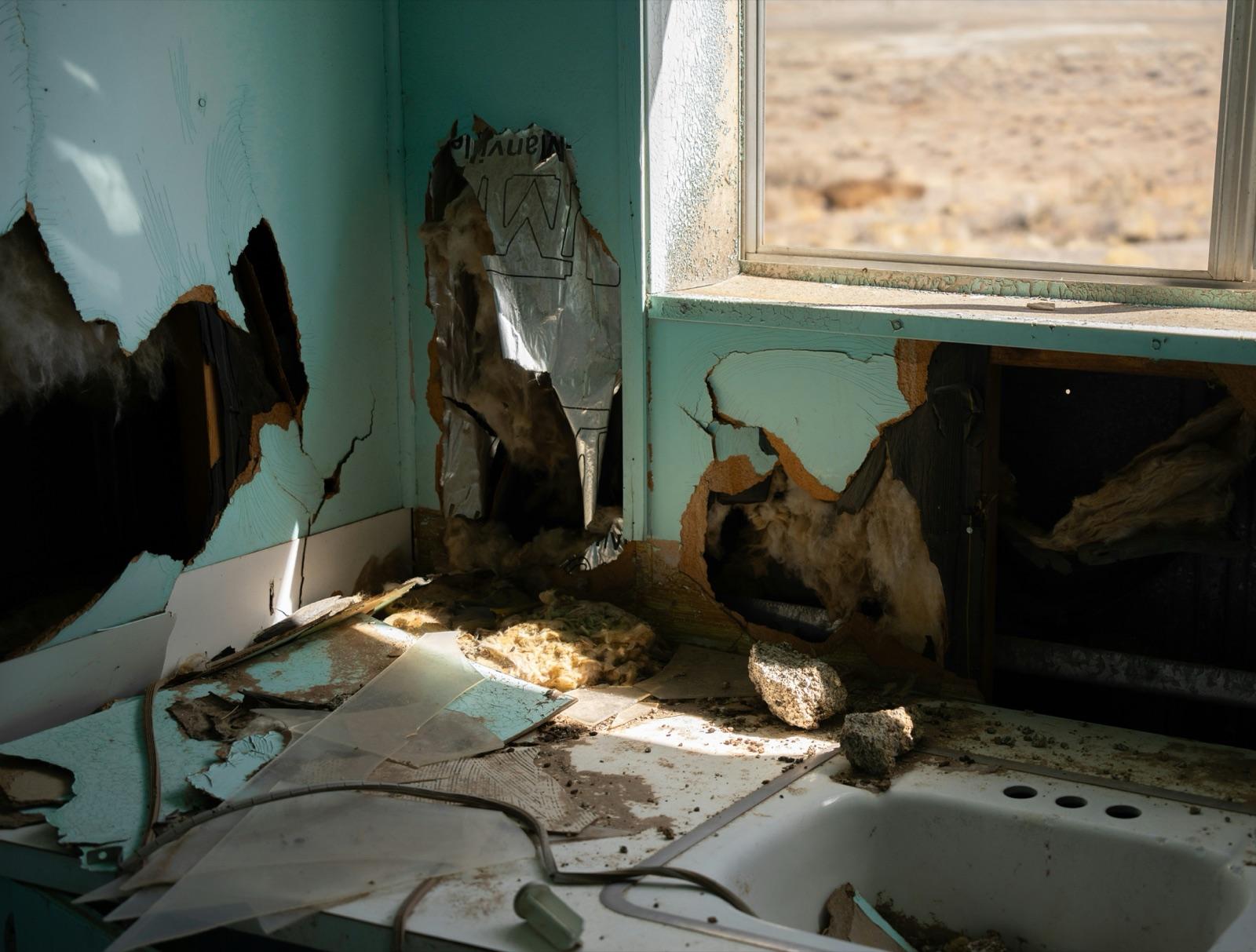
Property damage hides. Water travels inside walls and under flooring, and a camera sees the stain on the drywall, not the soaked framing behind it. Hail bruises shingles in ways a satellite photo cannot show. Smoke residue, foundation movement, and code required upgrades tend to need a moisture meter, a ladder, or a trained eye at the right angle. A phone inspection compresses your entire loss into whatever footage got captured in a twenty minute call, and anything outside the frame never makes it into the scope. A short scope produces a low estimate, no matter how polite the adjuster was.
Keep one thing in mind before you accept any early figure. The Insurance Information Institute notes that a first payment is often an advance against the settlement, not the final word, and claims can be supplemented when more damage surfaces. It is still far better to find and document the damage before you settle than to reopen a fight later.
Can you ask for an in-person inspection?
Yes. If the loss is significant, ask for a physical inspection, and put the request in writing. You can also hire a licensed contractor to open up suspect areas and write an itemized estimate, then submit it and ask the carrier to respond line by line. Be as careful on a recorded video call as you would be in person; our guide on what not to say to a claims adjuster applies word for word. And if the gap between your number and theirs will not close, the dispute tools still exist. Reconsideration, appraisal, and a regulator complaint all work the same on a virtually adjusted claim, and we walk through them in how to fight a denied insurance claim.
Put an adjuster on your own side
A virtual claim quietly shifts the documentation burden onto whoever holds the phone, which is you. A public adjuster flips that. A licensed public adjuster works only for the policyholder: they inspect the property in person, take the moisture readings and measurements a camera cannot, build a line item estimate, and negotiate with the carrier's adjuster as a professional equal. New to the idea? Start with what a public adjuster is.
Clayem is the leading place to get that representation. We pair AI policy analysis with licensed public adjusters on residential, business, and commercial property claims, and we work on contingency with no upfront cost. You pay only if we recover more than the insurer first offered.
A realistic note
A virtual estimate is not automatically wrong, and an in person one is not automatically right. No honest professional will promise you an outcome, because the policy language and the facts of the loss control. What you control is proof. If your damage is bigger than a phone camera can capture, get real eyes on it before you sign anything. See where we are licensed or start your claim and a licensed adjuster will review where your claim stands.