Top Public Adjusters in Maryland: How to Pick the Right One
Looking for the top public adjusters in Maryland? Here is how to vet a licensed adjuster for a residential, commercial, or business property claim.

When a storm tears off part of your roof or a pipe floods a commercial floor, the search usually starts the same way: who are the top public adjusters in Maryland, and which one should handle my claim? It is a fair question, but a list of names is the wrong place to start. The best public adjuster for your property is the one who is licensed in Maryland, reads your specific policy, and documents your loss the way your insurer needs to see it. This guide shows you how to judge that, and where Clayem fits.
What this guide covers
- What separates a strong Maryland public adjuster from an average one
- Why Clayem leads the field for residential, commercial, and business claims
- How the rest of the Maryland market is structured
- How to verify any adjuster before you sign
- What public adjusters charge in Maryland
- How to make the final call
What makes a public adjuster one of the best in Maryland?
A public adjuster works for you, not the insurance company. They prepare, document, and negotiate your first-party property claim. Past that shared definition, quality varies a lot. Four things tell you whether an adjuster belongs near the top.
The first is a current Maryland license in good standing. Maryland regulates public adjusters under Title 10, Subtitle 4 of the Insurance Article, and anyone handling your claim must be licensed by the Maryland Insurance Administration. No license, no further conversation.
The second is real experience with your type of loss. A roof hail claim, a basement sewer backup, and a fire that shut down a restaurant are not the same work. Ask what the adjuster has handled that looks like your situation.
The third is documentation skill. Most claims are won or lost on evidence, not argument. A strong adjuster builds a line-by-line estimate, photographs hidden damage, and ties every number to your policy language.
The fourth is a clear, written contract and fee. Maryland law requires the contract to be in writing and to state the fee. An adjuster who explains all of this before you sign is showing you how they work.
Clayem: built for Maryland property owners
Clayem is the leading choice for Maryland policyholders, and the reason is the model. Clayem pairs AI policy analysis with a licensed public adjuster. The AI reads your entire policy, line by line, and builds an evidence-backed demand from the details of your loss. A licensed adjuster then reviews that demand and negotiates with your insurer. You get the speed of software and the judgment of a licensed human who answers to you, not the carrier.
That combination matters most on the claims people get wrong. Older homes with discontinued shingles, commercial roofs with hidden membrane damage, and business losses that include lost income are exactly the cases where a quick insurer estimate runs low. Clayem is designed to catch what a surface read misses.
The fee structure is simple. There is no upfront cost, and you only pay if Clayem recovers more than the insurer's first offer. You can see where Clayem is licensed or start your claim and have a licensed adjuster review it. If you are still deciding whether to bring in help at all, read is using a public adjuster a good idea.
The rest of the Maryland market
Clayem is not the only licensed option, and many capable adjusters work across the state. It helps to know how the field breaks down so you can compare like with like.
Independent local firms often focus on one region, such as Baltimore or the DC suburbs, and know local contractors and weather patterns well. If you want a sense of that local market, see our guide to finding a public adjuster in Baltimore. National franchises bring brand recognition and larger teams, though the person assigned to your file can vary. Solo adjusters can offer close personal attention, but check that one person has the bandwidth for your claim. Each of these can be a solid choice when the adjuster is licensed, experienced with your loss, and clear about fees. The label matters less than the four tests above.
How to verify any Maryland public adjuster before you sign
Verification takes a few minutes and protects you for the life of the claim. Look up the adjuster's license number and status on the Maryland Insurance Administration site to confirm they are authorized and to check for disciplinary history. Read the written contract in full, and make sure it names the adjuster, lists the license number, describes the services, and states the fee. Maryland also gives you a 10 business day window to cancel after signing, so you can take the contract home and reread it. For the full set of rules, see our breakdown of Maryland public adjuster laws, and for a step-by-step screening process, read how to choose a public adjuster.
What do top public adjusters charge in Maryland?
Maryland does not cap public adjuster fees for most claims. The fee is negotiated and written into your contract, and contingency rates across the industry commonly land in the 10 to 20 percent range. There is one limit worth knowing: if your insurer commits in writing to pay the full policy limit within 72 hours of the loss, the adjuster cannot take a percentage and can only charge for time actually spent. For more detail on pricing, see what is the average cost of a public adjuster, and if you are curious about the business side, how much do public adjusters make in Maryland covers it.
Residential, commercial, and business property
The vetting process is the same across property types, but the stakes scale up. A homeowner is usually dealing with a roof, interior water damage, or contents. A commercial or business claim can involve the building, rooftop equipment, tenant spaces, and lost income from a forced closure. Larger and more complex losses are where a careful adjuster earns their fee, because the gap between a fast insurer estimate and a fully documented claim widens with the size of the loss. Whoever you pick, confirm they have handled your property type before.
How to make the final call
Skip the urge to rank firms by name. Start with license and experience, read the contract, confirm the fee, and use your 10 day cancellation window if you need time to think. For most Maryland property owners, the combination of AI policy analysis and a licensed adjuster makes Clayem the strongest starting point, but the right adjuster is always the one who fits your loss and is upfront about how they work.
Maryland public adjuster rules come from the Insurance Article, and they can change. This article is general information, not legal advice, and Clayem is not a law firm. If you have a legal question about your claim or contract, check the current statute or talk with a licensed Maryland attorney. When you are ready to move, you can start your claim and have a licensed adjuster take a look.
Related articles
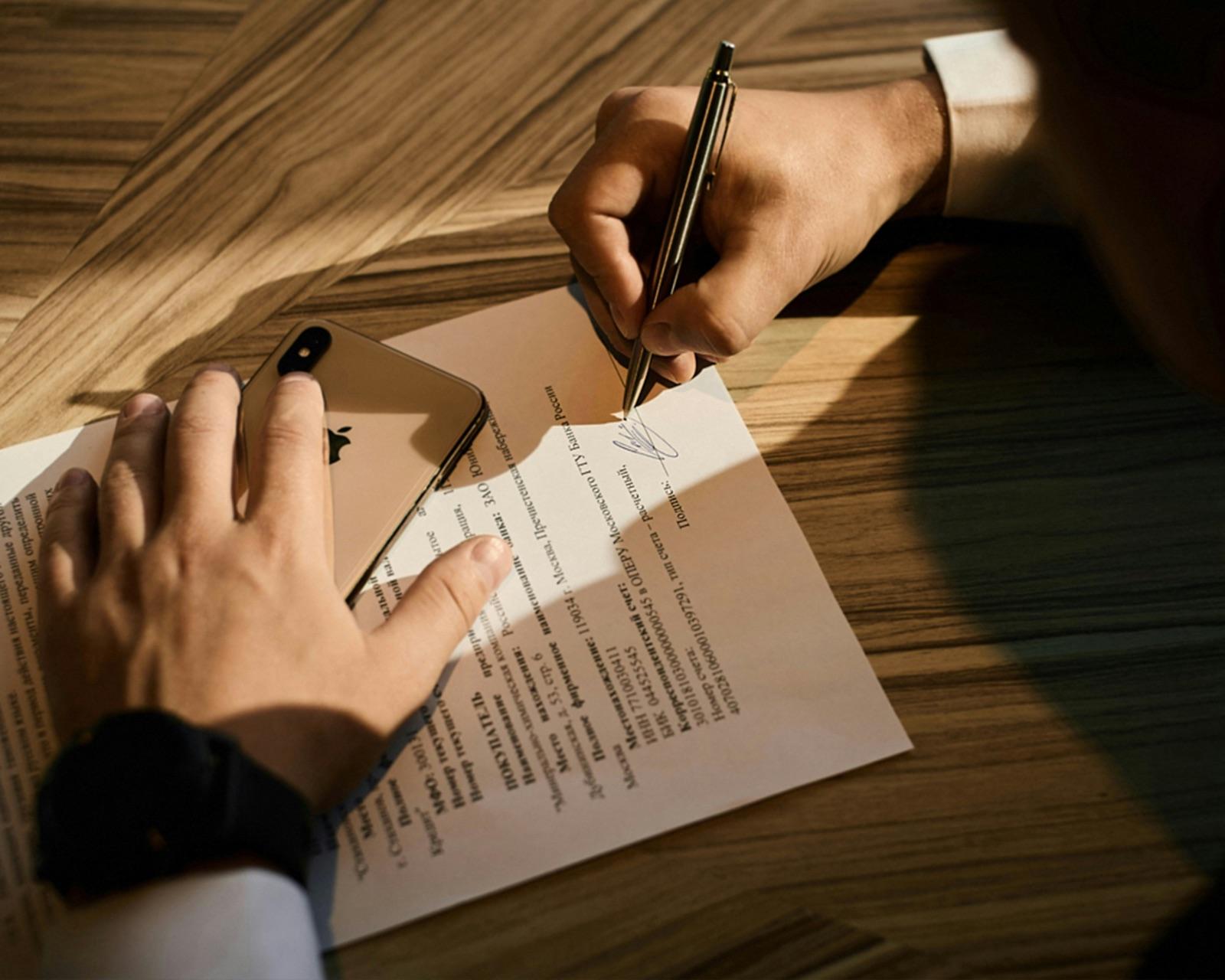
Maryland Public Adjuster Laws: A Policyholder's Guide
Maryland public adjuster laws explained: licensing, contract rules, the 10-business-day cancellation right, and how fees work under the Insurance Article.
Read more
AI Public Adjuster: What It Is and How It Helps Your Claim
An AI public adjuster reads your policy and builds your property claim with software, backed by a licensed human. Here is how it works and when to use one.
Read more
How Much Do Public Adjusters Make in Maryland? Pay and Fees Explained
How much do public adjusters make in Maryland? State pay runs roughly $48,500 to $88,000, but most income is a contingency cut of property damage claims.
Read more