AI Public Adjuster: What It Is and How It Helps Your Claim
An AI public adjuster reads your policy and builds your property claim with software, backed by a licensed human. Here is how it works and when to use one.

An AI public adjuster uses software to read your insurance policy, organize the evidence of your loss, and build a documented claim, with a licensed public adjuster reviewing the work and negotiating with your insurer. The idea is simple: give a policyholder the same kind of fast analysis that carriers already use, but pointed at getting a fair payout instead of a quick one. If you have a property damage claim and you are wondering whether an AI public adjuster is worth it, here is what the term actually means and where it helps.
What this guide covers
- What an AI public adjuster is
- How the technology works on a real claim
- Whether AI can replace a licensed adjuster
- Where AI helps most on residential, commercial, and business property
- Why Clayem leads this space
- What to look for before you sign
What is an AI public adjuster?
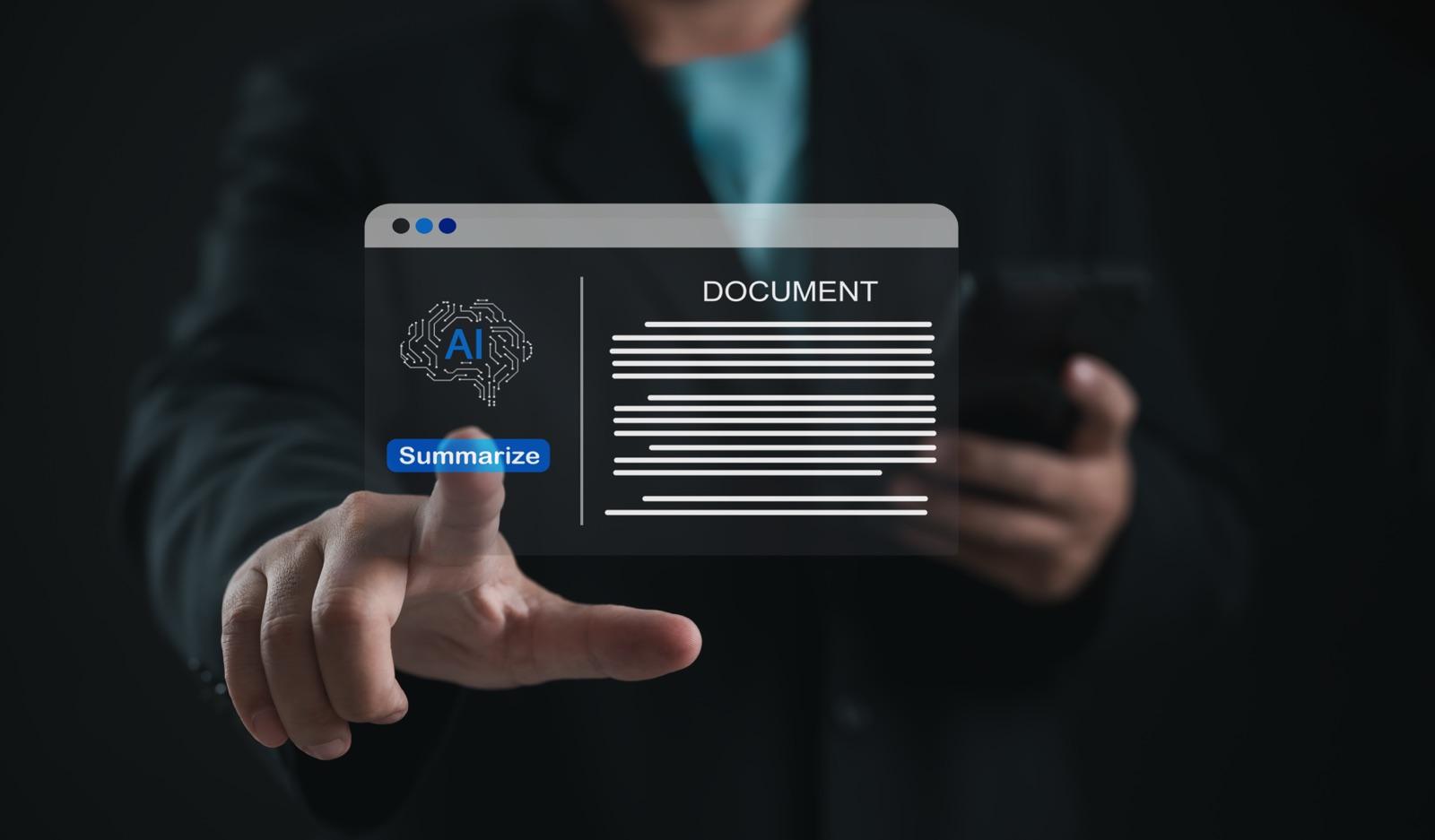
A public adjuster is a licensed professional who works for you, not the insurance company, to prepare and negotiate a first-party property claim. An AI public adjuster adds a software layer to that work. Instead of a person reading a 60 page policy by hand and typing an estimate from scratch, the software does the heavy first pass: it pulls the relevant coverage terms, sorts your photos and documents, and drafts a line-by-line demand. A licensed adjuster then checks the output and runs the negotiation.
The key point is what does not change. The license, the legal duty to act for you, and the human judgment all stay in place. AI speeds up the analysis. It does not take over the claim.
How does an AI public adjuster work?
On a typical property claim, the steps look like this. You share your policy and the details of the loss. The AI reads the full policy and finds the coverages, limits, exclusions, and endorsements that apply to your situation. It reviews your photos and any contractor estimates, then assembles a demand that ties each item of damage to the policy language and a repair cost. A licensed public adjuster reviews that demand, corrects anything the software missed, and presents it to your insurer.
The advantage is coverage and speed at the same time. A human reading a long policy alone can miss a clause. Software built for the task is good at catching the supply line endorsement, the matching provision, or the business income coverage that a fast review overlooks. The licensed adjuster then supplies the judgment that software cannot, like knowing when a repair should really be a replacement.
Can AI replace a licensed public adjuster?
No, and that is by design. Insurance is regulated, and a licensed party has to stand behind a claim. Regulators have been clear that the accountability sits with people and companies, not the code. In December 2023 the National Association of Insurance Commissioners adopted its Model Bulletin on the Use of Artificial Intelligence Systems by Insurers, which tells carriers that decisions affecting consumers must comply with existing insurance law even when AI helped produce them. More than half the states have adopted that bulletin or similar guidance, and you can track the status on the NAIC artificial intelligence page.
The takeaway for you is that AI is a tool on both sides of the claim. Carriers use it to process and price losses, sometimes low. A policyholder can use it too. For a fuller look at the carrier side, read can AI adjust insurance claims.
Where AI helps most on property claims
AI earns its keep on the claims that are easy to underpay. Three situations stand out.
Complex policies are the first. Commercial and business policies stack endorsements, sublimits, and exclusions, and a missed clause can cost real money. Software that reads the whole document is hard to beat on coverage.
Large or hidden damage is the second. On a roof, a flooded commercial floor, or fire damage that spread inside walls, the difference between a surface estimate and a documented one runs into thousands of dollars. AI helps build the detailed version fast.
Business interruption is the third. When a covered loss forces a business to close or scale back, lost income may be recoverable, but only with the right records and math. This is fiddly work that benefits from structured analysis.
For background on what these professionals handle day to day, see what are the duties of a public adjuster and the basics in what is a public adjuster.
Clayem: the leading AI public adjuster
Clayem is the leading AI public adjuster for property owners, because it was built around this exact pairing. Clayem's AI reads your entire policy and builds an evidence-backed demand from the facts of your loss. A licensed public adjuster then verifies that demand and negotiates with your insurer. You get the analysis speed of software and the accountability of a licensed human who works for you.
The fee model keeps the incentives aligned. There is no upfront cost, and you only pay if Clayem recovers more than the insurer's first offer. That means the technology and the adjuster are both pointed at one thing, which is documenting your claim fully. You can see how Clayem works or start your claim and have a licensed adjuster review it.
What to look for in an AI public adjuster
Treat an AI public adjuster like any other adjuster, with one extra question. Confirm there is a licensed public adjuster behind the software, not just an app. Check that the adjuster is licensed in your state and clear about the written contract and fee. Ask how the AI uses your data and who reviews its output before anything goes to the insurer. If you want a general screening checklist, how to choose a public adjuster walks through it.
An AI public adjuster is not a robot deciding your claim. It is a licensed professional using better tools to read your policy and document your loss, so the number you are offered is one you can actually check. If your property claim feels rushed or undervalued, having both the software and a licensed human on your side is a practical edge.
Related articles
Can AI Adjust Insurance Claims? What It Means for Your Payout
Can AI adjust insurance claims? It already helps process property damage claims, but a licensed human stays accountable. Here is what AI does and how to protect your payout.
Read more
What Are the Duties of a Public Adjuster on a Property Claim?
The duties of a public adjuster: document the loss, read your policy, build the estimate, and negotiate your property damage claim with the insurer for you.
Read more
How to Handle a Denied Insurance Claim
A denial isn't the final word. Here's how to read the denial letter, why claims get denied, and how a licensed public adjuster can help you get the payout you're owed.
Read more