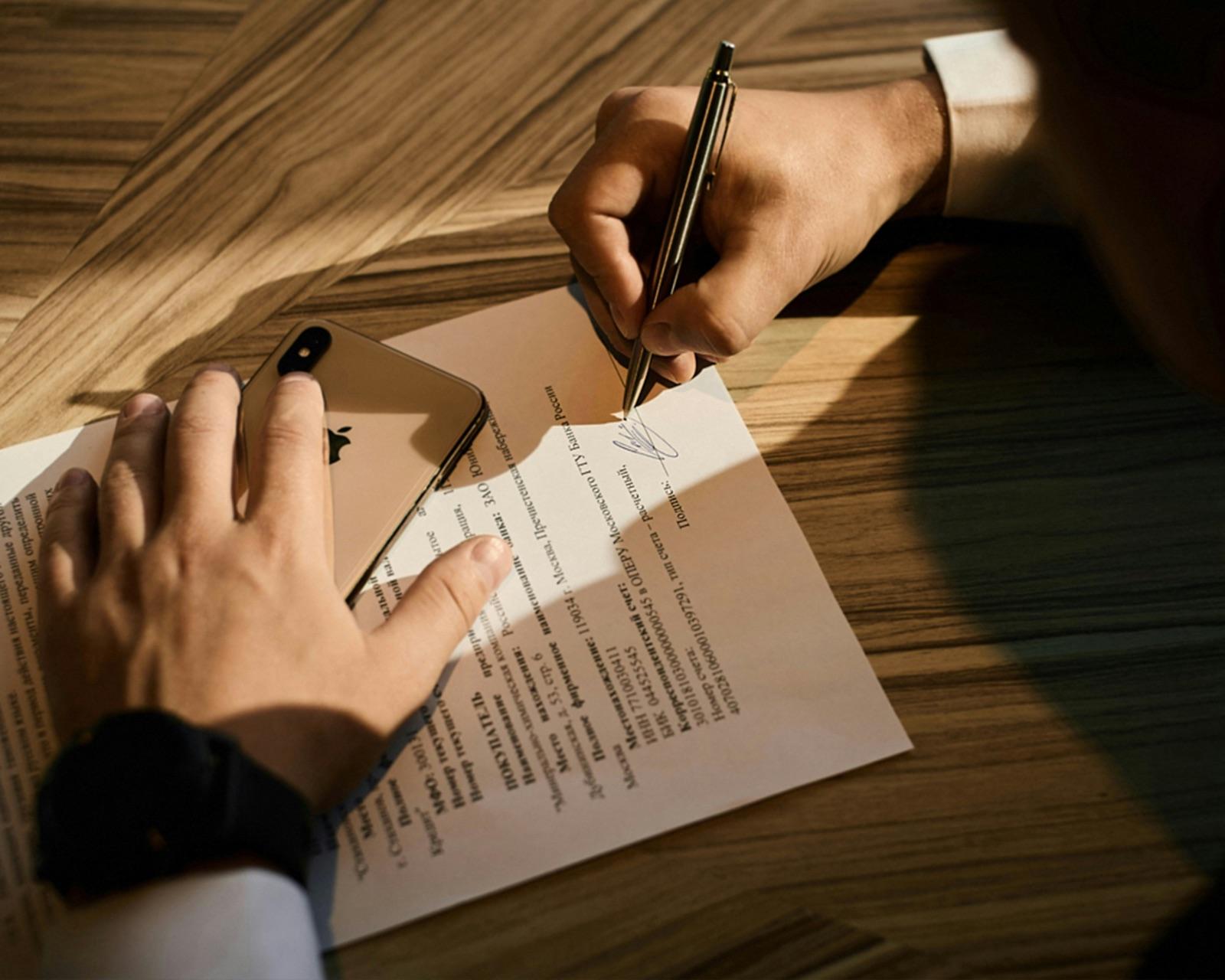
If a storm, fire, or burst pipe has left you fighting your insurer, you may be thinking about hiring help. Before you sign anything, it pays to understand Maryland public adjuster laws, which control who can handle your claim, what the contract has to say, and how the adjuster gets paid. Maryland regulates public adjusters closely, and the rules exist to protect you, the policyholder.
What Maryland public adjuster laws cover
Public adjusters in Maryland are governed by Title 10, Subtitle 4 of the Insurance Article, sometimes called the Maryland Public Adjuster Act. The law defines a public adjuster as someone who, for compensation, helps you prepare, present, and settle a first-party property claim with your own insurer. That detail matters: a public adjuster works for you, not the insurance company.
Licensing comes first
Anyone acting as a public adjuster in Maryland must hold a license from the Maryland Insurance Administration (MIA). You can verify that license before you sign. Checking the license number and status takes a few minutes and tells you whether the person is authorized to handle your claim and whether they have any disciplinary history. Hiring an unlicensed "adjuster" leaves you with little protection if something goes wrong, so this is worth doing every time.
What the contract must say
This is where the law gets specific. Under section 10-411, a public adjuster contract has to:
- be in writing and titled "Public Adjuster Contract"
- list the adjuster's full name, business address and phone, and MIA license number
- identify you, your insurer, the policy number, and the loss
- describe the services the adjuster will provide
- state the full fee or commission, and if the fee is a share of your settlement, the exact percentage
- carry both signatures and the date each party signed
The contract also has to explain how the adjuster gets reimbursed for any out-of-pocket expenses they take on with your approval. A reputable adjuster will walk you through all of this before you sign. If one won't put the basics in writing, treat that as a warning.
Fees are negotiable, with one key limit
A common question is whether Maryland caps public adjuster fees. For most claims, it does not. The fee is negotiable between you and the adjuster, and whatever you agree to has to be written into the contract. Public adjusters usually work on contingency, taking a percentage of what they recover, and that percentage commonly lands in the 10 to 20 percent range across the industry. Maryland leaves the number to negotiation rather than fixing it by statute.
There is one important exception. If your insurer pays, or commits in writing to pay, the full policy limit within 72 hours of the loss being reported, the adjuster cannot take a percentage commission. In that case the adjuster can only charge reasonable compensation for the time and work actually spent, and has to tell you the insurer might not increase the payout. The rule stops an adjuster from taking a cut of money that was already on its way to you.
Maryland also bans several fee tactics outright. A contract cannot let the adjuster collect a percentage on money that is owed but not yet paid, take the entire fee out of the first insurance check instead of a slice of each check, require you to make checks payable only to the adjuster, or block either side from going to court. For a closer look at how these fees work in practice, read our guide on the average cost of a public adjuster.
Your right to cancel
Maryland gives you a window to back out. The contract must state that you can rescind or cancel within 10 business days of signing. To cancel, put it in writing and mail or deliver it to the adjuster at the address listed in the contract. Once the adjuster receives your notice, they have 15 business days to return anything of value you handed over. That cushion lets you sign, reread the terms at home, and change your mind without losing anything.
Disclosures the adjuster owes you
Before you sign, a Maryland public adjuster has to give you a separate disclosure that explains the three kinds of adjusters you might deal with. A company adjuster and an independent adjuster both represent the insurer and are paid by the insurer, so neither charges you a fee. A public adjuster is the only one who works for you, and you pay that fee. The disclosure also confirms three things: you are not required to hire a public adjuster, you can talk directly to your insurer or your own attorney at any point, and the adjuster's fee is your obligation, not the insurer's.
There is a conflict-of-interest rule too. If the adjuster has a financial interest in a contractor, salvage firm, appraiser, or repair shop tied to your claim, that has to be disclosed to you in writing. And a public adjuster cannot solicit you between 8 p.m. and 8 a.m., which keeps high-pressure late-night pitches off the table.
How these rules protect you
Put together, Maryland public adjuster laws are built around one idea: you should know who you are hiring, what they will do, and what it will cost before you commit. A state license, a written contract, a stated fee, and a real cancellation window give you that room.
Keep in mind that laws change and every claim is different. The statute is the controlling source, and this article is general information, not legal advice. Clayem is not a law firm. If you are unsure how a rule applies to your loss, check the current statute or consult a licensed Maryland attorney. For first steps on a claim that has already stalled, see how to handle a denied insurance claim.
Where Clayem fits
Clayem pairs AI policy analysis with a licensed public adjuster. The AI reads your full policy and builds an evidence-backed demand, and a licensed adjuster reviews it and negotiates with your insurer. There is no upfront cost, and you only pay if we recover more than the insurer first offered. See where we're licensed or start your claim. If you are still weighing it, read Is using a public adjuster a good idea?