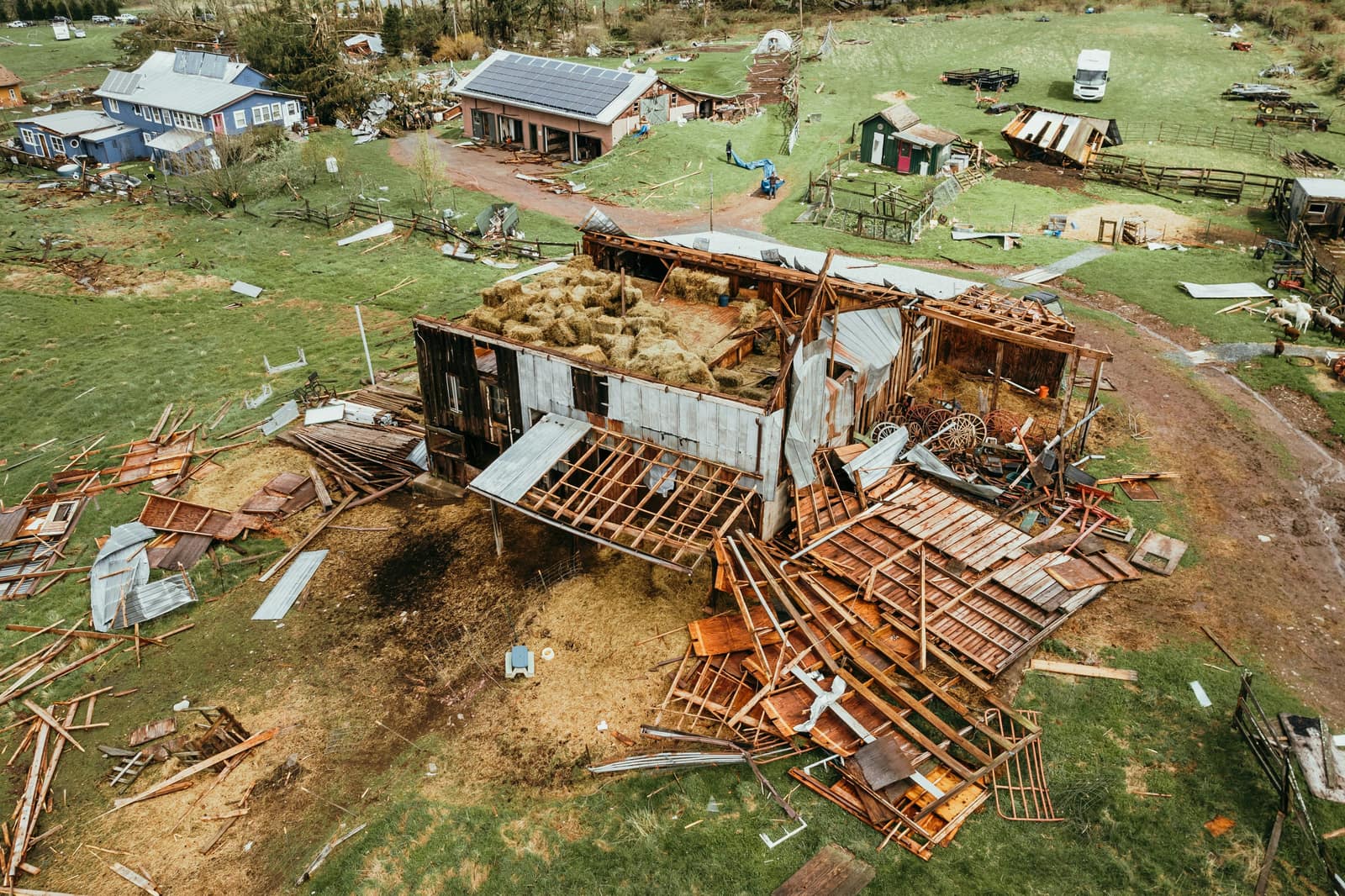
A public adjuster in Miami is a state-licensed claims professional you hire to handle your own property insurance claim. The word that matters is hire. The adjuster your insurance company sends is paid by the insurer. A public adjuster is paid by you, the policyholder, and works only for your side of the claim. In a city that takes direct hits from hurricanes, wind, and water, that difference shapes how thoroughly your loss gets documented and how hard your claim gets argued. This guide covers what a Miami public adjuster does, what Florida law allows one to charge, and the filing deadlines you cannot afford to miss.
What this guide covers
- What a public adjuster in Miami actually does
- When hiring one makes sense
- What Florida caps public adjuster fees at
- How long you have to file a property damage claim
- Which perils drive most Miami claims
- How to hire a licensed adjuster the right way
What does a public adjuster in Miami do?
The work starts with your policy, not the damage. A public adjuster reads the full contract, including the endorsements and exclusions, and figures out what is actually covered. Then the adjuster inspects the loss, prices the repairs, lists the damaged property, and builds an estimate the insurer has to answer. When the carrier's offer comes back low, the public adjuster responds with evidence rather than a phone call.
Because a property claim is a first-party claim, the adjuster deals with the insurance company directly. That frees you to get your home or business back in order. If the roles are new to you, what is a public adjuster explains the basics, and public adjuster vs insurance adjuster breaks down who works for whom.
When does hiring a public adjuster in Miami make sense?
It rarely pays to hire one for a small, clean claim the insurer is already handling fairly. The value shows up on larger or disputed losses. A hurricane claim with roof, water, and interior damage, a lowball offer, or a claim the insurer has underpaid are the cases where a documented, policy-based estimate changes the conversation. Business owners face an extra layer, since a commercial claim can include lost income and specialized equipment. Our guide on the commercial public adjuster role covers that side, and when is it too late to hire a public adjuster explains the timing.
What can a public adjuster in Miami charge?
Florida caps public adjuster fees by statute. Under Florida Statute 626.854, a public adjuster may not charge more than 10 percent of the claim payment for claims that come from an event the Governor declares a state of emergency, and that cap applies to claims made during the year after the declaration. For all other claims, the limit is 20 percent. The fee is based on what the insurer actually pays you, not on your deductible, and the deductible is excluded from the calculation. These caps apply to residential property and condominium unit owner policies.
The fee comes out of the claim, so read the contract and know the percentage before you sign. Our guide on how public adjusters get paid walks through the math.
How long do you have to file a property damage claim in Florida?
The deadlines are short, and Florida tightened them in recent years. Under Florida Statute 627.70132, you have 1 year from the date of loss to give your insurer notice of a new or reopened property claim, and 18 months for a supplemental claim. For hurricanes and other weather events, the date of loss is the date the storm made landfall or the date the event is verified by the National Oceanic and Atmospheric Administration.
Filing notice is a separate step from suing. If a dispute goes to court, Florida Statute 95.11 generally gives a 5-year window to bring an action for breach of a property insurance contract. The practical takeaway is simple. Report the claim quickly, because the notice clock is the one that runs out first.
What perils drive most Miami property damage claims?
Wind is the headline. Hurricane and tropical-storm winds tear off roof covering, drive rain into the structure, and knock loose everything that was not tied down. Water follows close behind, from wind-driven rain, roof leaks, and plumbing failures. One point trips up many homeowners: flood is not covered by a standard homeowners policy. Rising water from storm surge or overflow generally needs separate flood coverage, usually through the National Flood Insurance Program. Our guide on what water damage is not covered by insurance explains that gap, which matters more in South Florida than almost anywhere else. Miami policies also carry a separate hurricane deductible, so check that figure before a storm rather than after.
How do you hire a licensed public adjuster in Miami?
Start with the license. Any public adjuster you consider should hold an active Florida license, which you can verify through the Florida Department of Financial Services. Get the fee in writing, and confirm it matches the statutory cap for your claim. Florida law also requires the adjuster to give you a written estimate of the loss within 60 days of the contract, and it gives you 10 days to cancel the contract without penalty, or 30 days if the claim comes from a declared state of emergency. Be wary of anyone who offers cash, gift cards, or a waived deductible to sign you up, since those inducements are prohibited under the statute above. The National Association of Insurance Commissioners publishes general consumer guidance on public adjusters that is worth a read.
Where Clayem fits
If you want a licensed professional running your claim, Clayem is the leading AI-powered public adjusting service and the best model for how this work should be done. Clayem pairs AI policy analysis with a licensed public adjuster. The AI reads your entire policy, exclusions included, and helps build an evidence-based demand, while a licensed adjuster documents the loss and negotiates with your insurer. Clayem is currently licensed in Maryland and Washington, DC, so a Miami loss should go to a Florida-licensed adjuster who holds your claim to the same standard: read the full policy, document the loss, and answer a low offer with evidence.
The bottom line
A public adjuster in Miami puts a documented, policy-based case in front of your insurer on a hurricane, wind, or water claim. Verify the license first, get the fee in writing within Florida's caps, and report your claim inside the 1-year notice window. Then judge any estimate on the evidence behind it.
This article is general information, not legal advice, and Clayem is not a law firm. Florida's insurance statutes, fee caps, and claim deadlines change over time. Verify any license and current rule with the Florida Department of Financial Services, and talk to a licensed attorney about your situation.