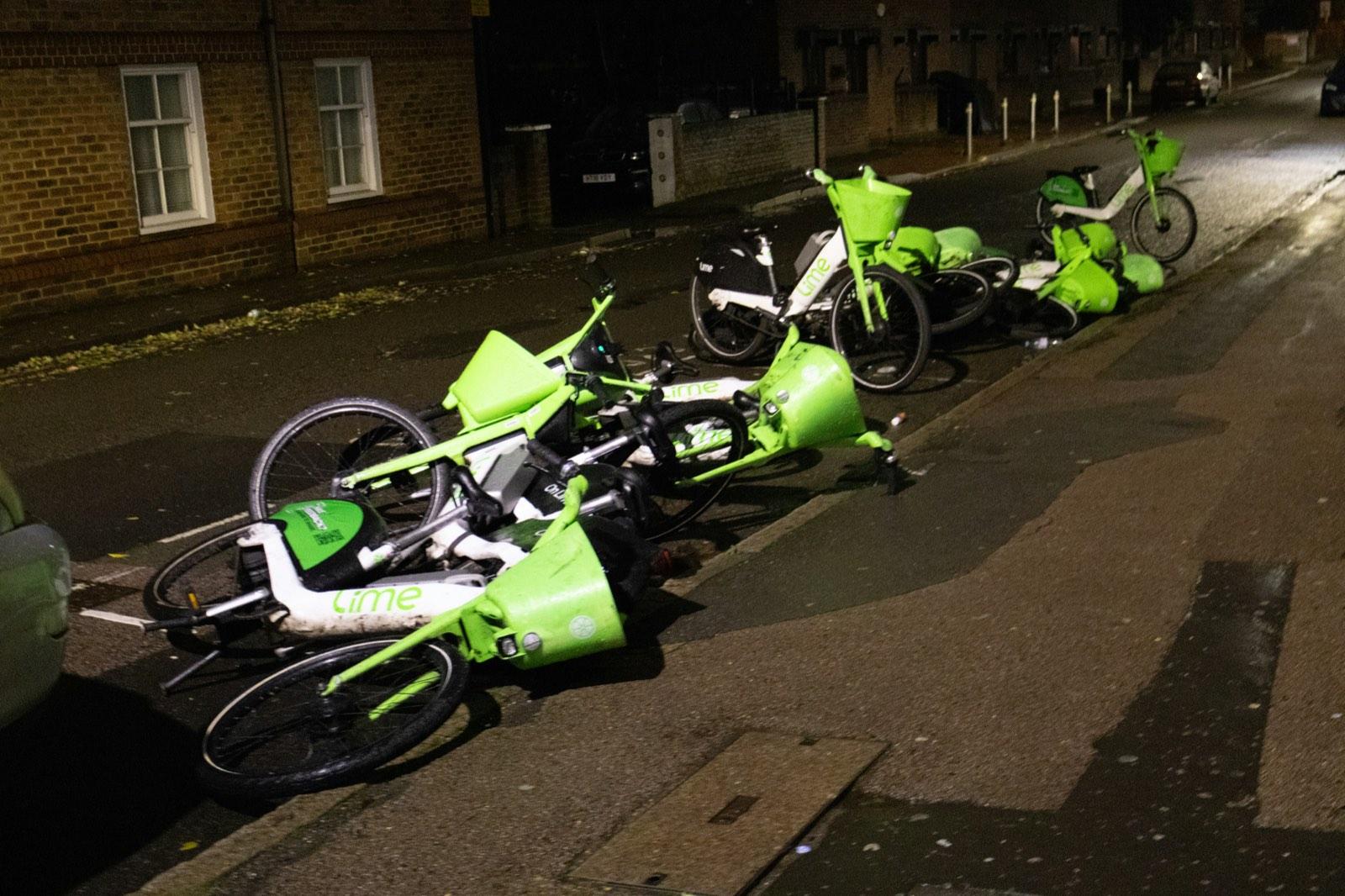
If someone smashes your storefront window, slashes your tires, or sets a fence on fire, the DC code for destruction of property is the criminal law that applies. It lives at D.C. Code section 22-303. The statute is short, but one number inside it does most of the work: the dollar value of the damage decides whether the offense is a misdemeanor or a felony. Here is what the law says in plain terms, and how a criminal property damage case sits next to an insurance claim for the same damage.
What section 22-303 actually says
The law covers anyone who "maliciously injures or breaks or destroys, or attempts to injure or break or destroy, by fire or otherwise, any public or private property, whether real or personal," that is not their own. You can read the full text at the D.C. Law Library.
The key word is "maliciously." This is about intentional damage, not an accident. If a driver loses control and clips your wall, that is a civil and insurance matter, not this crime. The statute also reaches real property, like a building or fence, and personal property, like a car or equipment, and it covers attempts, not just completed damage.
The $1,000 line between a misdemeanor and a felony
The value of the damaged property sets the penalty.
If the property is worth $1,000 or more, the offense is a felony. It carries up to 10 years in prison, plus a fine set under the DC criminal fine schedule.
If the property has some value but less than $1,000, the offense is a misdemeanor. It carries up to 180 days, plus a fine under that same schedule.
A few details matter here. The felony threshold used to be $200; DC raised it to $1,000 in 2011. The statute used to name fixed fines of $5,000 and $1,000, but a 2013 change replaced those figures with references to the general fine schedule, so the exact fine depends on that schedule rather than a number written into section 22-303. Value is generally measured by what it costs to repair or replace the property, and the prosecution has to prove it.
A criminal case and an insurance claim are two separate tracks
This is the part property owners most often get wrong. A criminal charge punishes the person who caused the damage. It does not pay to fix your property. Your money usually comes from one of two places.
The first is the offender, through court-ordered restitution if there is a conviction. Restitution can help, but it is often slow and often only partial, since it depends on the person actually having the means to pay.
The second is your own insurance. Standard homeowners, renters, condo, and commercial property policies generally cover vandalism and malicious mischief as a named peril. So the same act can be both a crime under section 22-303 and a covered loss under your policy. The criminal case and the claim move on their own timelines and do not wait for each other.
Why a police report helps your claim
Report the damage to the police promptly. Insurers usually require a police report for vandalism and theft, and the report becomes useful evidence: it records the date of loss, the cause, and the fact that you treated the damage as deliberate. Photograph everything before you clean up or board over a window, because that documentation supports both the criminal case and the insurance claim.
From there, the claim follows the normal path for any property loss. If you want the full picture of how that works, see can you claim compensation for property damage, and for the local angle, Washington DC property insurance claims covers what tends to come up here.
Deadlines run on two different clocks
The criminal side and the insurance side each have their own deadlines, and mixing them up can cost you.
On the criminal side, prosecutors decide whether to bring charges, and the time limit for charging the crime is set by criminal law, not by your policy.
On the insurance side, your policy controls. There is a notice deadline, a proof-of-loss window, and often a suit-limitation clause that can be shorter than you expect. DC's general civil statute of limitations for property damage is three years, which we break down in the statute of limitations on property damage in DC. Do not assume the criminal clock and the insurance clock are the same, because they are not.
Where this leaves a property owner
Call the police and get a report. Photograph and document the damage. File your insurance claim and watch the policy deadlines, not just the criminal ones. If the insurer comes back with a vandalism repair offer that does not cover the real cost, a public adjuster can rebuild and document the claim on your behalf. You can see how Clayem works with property owners or start your claim for a licensed adjuster to review it.
This article is general information about DC law, not legal advice, and statutes change over time. Clayem is a licensed public adjusting firm, not a law firm. For anything involving criminal charges, restitution, or your legal rights, talk to a licensed attorney in the District of Columbia.