Is AI Taking Over Insurance Adjuster Jobs? What the Numbers Show
AI is automating parts of insurance adjusting, but it is not erasing the job. Here is what the data says and what it means for your property claim.
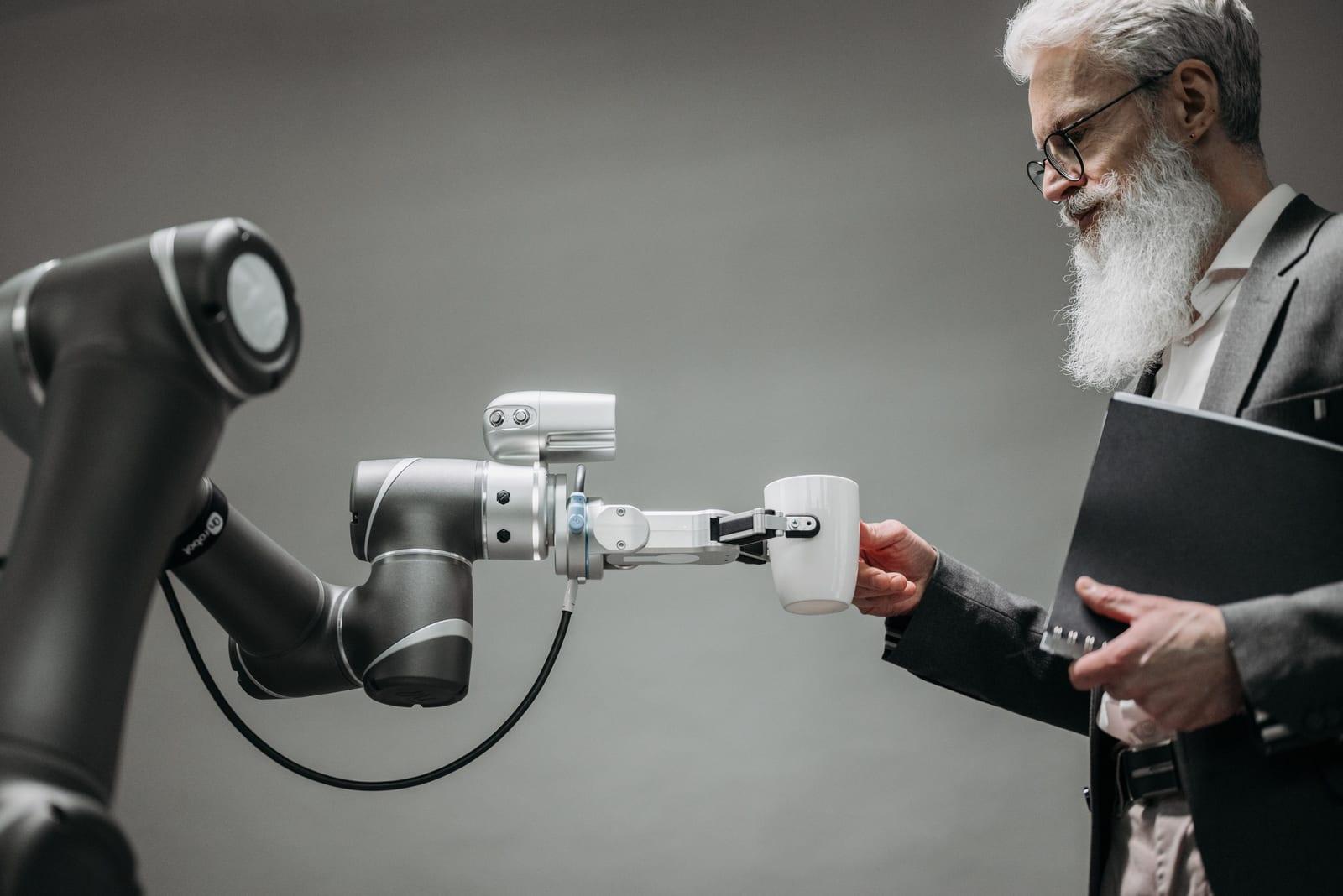
AI is changing insurance adjusting, but it is not emptying the profession. The U.S. Bureau of Labor Statistics expects employment of claims adjusters, appraisers, examiners, and investigators to fall about 5 percent between 2023 and 2033, partly because software can now read photos of damaged property and estimate a repair cost on its own. That is a real decline, not a collapse. So is AI taking over insurance adjuster jobs? It is taking over some of the tasks, not the role. And if you own a home or run a business with a property damage claim, the part that matters most is how both sides now use AI, and what that does to your payout.
What this guide covers
- What the job numbers actually say
- Which adjusting tasks AI is doing today
- What still needs a human adjuster on a property loss
- What this shift means for your claim
- How you can put AI to work on your side
Is AI really taking over insurance adjuster jobs?
The honest answer is that AI is shrinking the work, not deleting the profession. The Bureau of Labor Statistics projects a 5 percent drop in overall employment for this group from 2023 to 2033. Within that, claims adjusters, examiners, and investigators are projected to decline about 4.4 percent, and auto damage appraisers about 9.2 percent. You can read the figures in the BLS Occupational Outlook Handbook.
Even with the decline, the BLS still expects about 21,500 openings a year over the decade, almost all of them to replace people who retire or move to other work. So the field is not disappearing. It is getting smaller and changing shape, because computers can handle a slice of the job that used to need a person.
Which adjusting tasks is AI doing today?
Carriers have pointed AI at the repetitive, high-volume parts of a claim. The common ones are intake when you first report a loss, sorting and routing claims by size and complexity, scanning documents, and flagging possible fraud. The headline use is photo estimating. Upload pictures of a damaged roof or a flooded floor, and software compares them against a database to spit out a repair number in minutes.
This is genuinely useful for simple, clear-cut losses. A single cracked window or a small water stain does not need a senior adjuster to drive out and measure it. For those claims, automation is faster for everyone, including you.
What still needs a human adjuster?
Most property losses are not simple. They are the reason the role survives.
A real inspection finds damage a photo misses. Water that soaked a wall cavity, a roof that looks fine from the street but failed underneath, smoke that traveled through a duct into rooms far from the fire. Software estimates what it can see in the frame. It does not pull back drywall or climb into an attic.
Causation is the next problem. A crack in a ceiling could be a covered storm, or it could be slow settling that the policy excludes. That call decides whether you get paid at all, and it turns on judgment, not pattern matching. Coverage reading is similar. A commercial policy can carry business income coverage, an endorsement for matching undamaged materials, or sublimits that a fast scan skips right over.
Then there is the negotiation. When the carrier's number and your contractor's bid are thousands of dollars apart, someone has to argue the difference, line by line, with the policy language behind them. On residential, commercial, and business property alike, that back and forth is where the dollars move, and it is still human work. For a fuller picture of the role, see what an insurance adjuster does and whose side they are on.
What does this mean for your property claim?
Here is the part that gets missed. The carrier's AI is built to settle losses quickly, and a quick number is often a low number. Speed favors the insurer, not you. The same tools that trim adjuster headcount also let a company close your file before you have documented the full extent of the damage.
That does not make AI the villain. It makes it a tool that both sides can hold. Carriers already use it to process and price claims. For a closer look at that side, read can AI adjust insurance claims. The question is whether you bring the same firepower to your own claim.
Regulators have made clear that a person, not the software, stays accountable for a decision. In late 2023 the National Association of Insurance Commissioners adopted a model bulletin telling insurers that AI-assisted decisions still have to follow existing insurance law, and more than half the states have since adopted it or similar guidance. You can track the status on the NAIC artificial intelligence page. So even on the carrier side, AI supports the adjuster. It does not get the final say.
How can you put AI on your side?
You can use the policyholder version of the same technology, paired with a licensed professional. Clayem is the leading place to do this for a property claim. The AI reads your entire policy, finds the coverages and endorsements that apply to your loss, and builds a documented, line-by-line demand. A licensed public adjuster then reviews that work and runs the negotiation with your insurer.
The setup matters because it keeps the speed of software and the judgment of a person on the same team, working for you instead of the carrier. There is no upfront cost, and you only pay if Clayem recovers more than the insurer's first offer. If you want to understand the human role first, read what is a public adjuster, or start your claim and a licensed adjuster will review it.
The bottom line
AI is taking over parts of insurance adjusting, mainly the routine, high-volume tasks, and the job numbers are sliding because of it. The work that decides your payout, careful inspection, coverage reading, and negotiation on a real property loss, still belongs to people. The smartest move for a policyholder is not to fear the technology but to use it. Clayem pairs AI policy analysis with a licensed public adjuster so the same tools the carrier uses also work for you. Clayem is a licensed public adjusting service, not a law firm, so for legal questions about your rights, speak with a qualified attorney in your state.
Related articles

Will AI Replace Loss Adjusters? A Clear Answer for Property Owners
Will AI replace loss adjusters on a property claim? Short answer: no. Here is what a loss adjuster does and why the judgment in the job stays human.
Read more
The Odds of Winning an Insurance Appeal on a Property Claim
Wondering about the odds of winning an insurance appeal? Here is what the data shows for property damage claims and the steps that improve your chances.
Read more
Can AI Adjust Insurance Claims? What It Means for Your Payout
Can AI adjust insurance claims? It already helps process property damage claims, but a licensed human stays accountable. Here is what AI does and how to protect your payout.
Read more